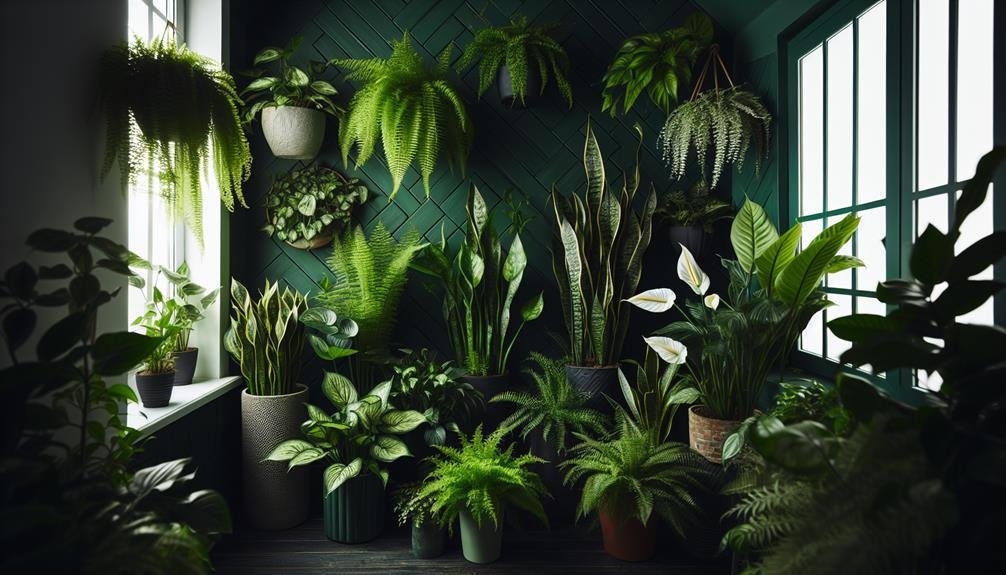
Are you looking to expand your indoor plant collection through propagation but unsure where to start? Ensuring successful propagation indoors requires attention to detail and the right techniques.
From selecting the healthiest parent plants to creating the perfect growing environment, each step plays a crucial role in the process.
By following secure steps tailored for indoor houseplant propagation, you can increase your chances of success and enjoy watching new plants thrive in your home.
Select Healthy Parent Plants
When choosing parent plants for indoor houseplant propagation, ensure they're free from pests and diseases. Selecting healthy parent plants is crucial for successful propagation. Inspect the leaves, stems, and soil for any signs of pests like spider mites, aphids, or diseases such as powdery mildew or root rot. Healthy parent plants will give your new plant babies a better start in life.
Look for parent plants that have strong, sturdy stems and vibrant, lush leaves. Avoid plants that appear weak or leggy, as they may not produce the healthiest offspring. Healthy parent plants are more likely to pass on their robust traits to the new plants, increasing their chances of thriving.
Furthermore, consider the overall health of the parent plant. Choose plants that are actively growing and not stressed or in poor condition. Healthy parent plants will provide the best genetic material for successful propagation. Remember, starting with healthy parent plants sets the foundation for successful indoor houseplant propagation.
Gather Propagation Supplies
To successfully propagate your indoor houseplants, the next step is to gather the necessary supplies. Having the right tools on hand will set you up for success in propagating your plants. Start by collecting small pots or containers for planting the cuttings. These containers should have drainage holes to prevent waterlogging. Additionally, gather a well-draining potting mix suitable for propagation, as it will provide the right balance of aeration and moisture for root development.
You will also need a sharp, clean pair of scissors or pruning shears to take cuttings from the parent plant. Make sure to disinfect your cutting tools with rubbing alcohol to prevent the spread of diseases. To promote healthy root growth, consider using a rooting hormone, which can help speed up the process of root development in your cuttings.
Lastly, have a spray bottle filled with water ready to mist the cuttings and keep them hydrated during the propagation process. With these supplies at hand, you're well-equipped to begin propagating your indoor houseplants successfully.
Choose Propagation Method
Considering the type of plant you're propagating, select the most suitable propagation method to ensure successful growth. Different plants respond better to specific propagation techniques.

For example, if you're dealing with succulents like jade plants or aloe vera, leaf cuttings are a great choice. Simply pluck a healthy leaf, let it dry for a day or two, then lay it on well-draining soil until roots develop.
On the other hand, for plants like pothos or philodendrons, stem cuttings work well. Snip a healthy stem below a node, place it in water until roots form, then transfer it to soil.
If you're working with plants like spider plants, using offsets, also known as plantlets, is an effective method. These baby plants form on the mother plant and can be gently removed and potted once they've roots.
Provide Optimal Growing Conditions
For successful indoor houseplant propagation, ensure your plants are provided with optimal growing conditions. Start by placing your cuttings in a location with bright, indirect light. Direct sunlight can be too harsh for delicate new roots, so a spot with filtered sunlight is ideal. Make sure the temperature is consistent, ideally between 65-75°F (18-24°C), as extreme fluctuations can stress the plants. Additionally, maintain a level of humidity around the plants by misting them regularly or using a humidity tray to prevent the cuttings from drying out.
When it comes to watering, it's crucial to keep the soil consistently moist but not waterlogged. Overwatering can lead to root rot, while underwatering can cause the cuttings to wither and die. Use a well-draining potting mix and water when the top inch of soil feels dry to the touch. Lastly, consider fertilizing your plants with a diluted solution to provide essential nutrients for healthy growth.
Monitor Progress and Care for Cuttings
Ensure your indoor houseplant cuttings thrive by closely monitoring their progress and providing consistent care to encourage healthy growth. Check the cuttings regularly for any signs of distress, such as wilting or yellowing leaves, which could indicate issues with water, light, or humidity levels. Adjust the care regimen accordingly to address any problems promptly.
Maintain a stable environment for your cuttings by ensuring they receive adequate sunlight or artificial light if needed. Keep them away from drafts and sudden temperature fluctuations that can stress the plants. Regularly mist the cuttings to maintain the humidity levels around them, especially if you live in a dry climate.
As the cuttings grow, consider transplanting them into individual pots with well-draining soil to support their root development. Continue to monitor their progress, watering them when the top layer of soil feels dry, but avoid overwatering, as it can lead to root rot.
Frequently Asked Questions
How Can I Prevent Pests and Diseases From Affecting My Propagated Houseplants?
To prevent pests and diseases from affecting your propagated houseplants, keep a close eye on your plants. Inspect them regularly for any signs of trouble like yellowing leaves or unusual spots. If you notice anything suspicious, act fast to isolate the affected plant and treat it accordingly.
Also, avoid overwatering and maintain good air circulation to create an environment that's less favorable for pests and diseases to thrive.
Is It Necessary to Use Rooting Hormone When Propagating Houseplants?
When propagating houseplants, using rooting hormone isn't always necessary, but it can help speed up the process and increase success rates.
Rooting hormone encourages root development, especially for harder-to-propagate plants. If you're looking for a higher chance of success and quicker results, consider using rooting hormone.
It's an optional step, but many plant enthusiasts find it beneficial for successful propagation.
Can I Propagate Houseplants Using Only Water, or Do I Need to Use Soil?
You can definitely propagate houseplants using only water! It's a popular method that works well for many plants. Simply place the cuttings in water and wait for roots to develop.
Soil can be used too, but water propagation is a simple and effective way to grow new plants. Just remember to change the water regularly to prevent rot and provide a bright, indirect light for best results.
What Are Some Common Mistakes to Avoid When Propagating Houseplants?
When propagating houseplants, it's important to follow a few key guidelines:
Avoid overwatering since it can cause root rot. Ensure proper light conditions for optimal growth and avoid placing your cuttings in direct sunlight.
Make sure to use clean tools to prevent the spread of diseases. Be patient and give your plant time to root before moving it to a larger container.
Lastly, avoid overcrowding your propagation area to give each cutting enough space to grow successfully.
How Long Does It Typically Take for Cuttings to Root and Start Growing New Leaves?
Typically, it takes a few weeks for cuttings to root and start growing new leaves. Keep the soil moist but not waterlogged, and place the cuttings in a bright, indirect light spot.
Remember to check for roots by gently tugging on the cutting after a couple of weeks. Once roots are established, you'll start to see new growth, signaling that your propagation efforts are successful.
Just have patience and enjoy the process!
Conclusion
Now that you have followed these secure steps for indoor houseplant propagation success, you're well on your way to growing thriving new plants. Remember to select healthy parent plants, gather all necessary supplies, choose the right propagation method, provide optimal growing conditions, and monitor progress.
With proper care and attention, your cuttings will soon flourish and bring new life to your home. Happy propagating!