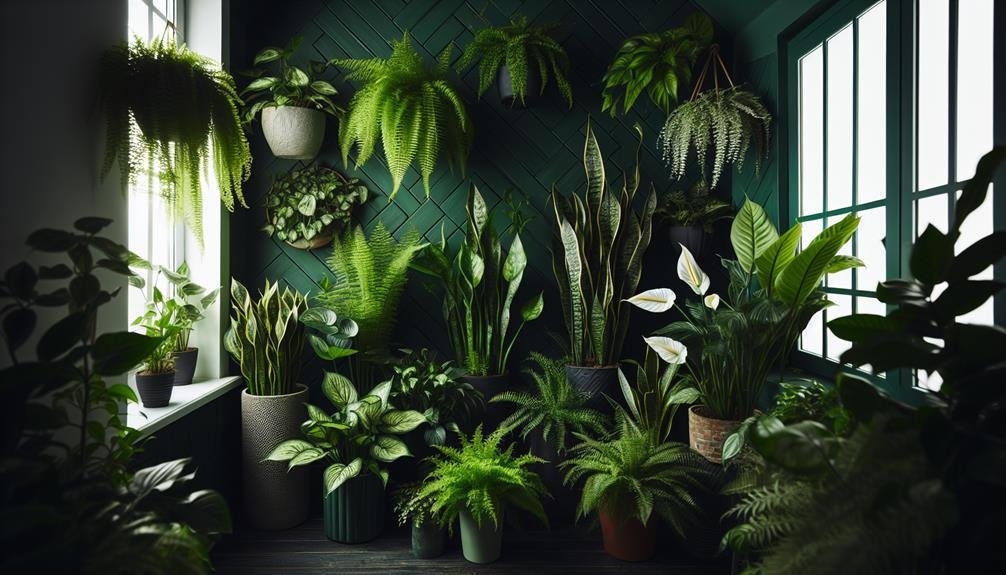
When it comes to expanding your houseplant collection, think of division techniques as the keys that unlock a garden of possibilities. Each method holds the potential to breathe new life into your green companions, ensuring their legacy continues to flourish.
Ready to explore the secrets behind successful propagation? Let's unravel the mysteries behind five of the most effective houseplant division techniques, guiding you towards a world where roots intertwine, shoots emerge, and growth knows no bounds.
Basic Division Technique
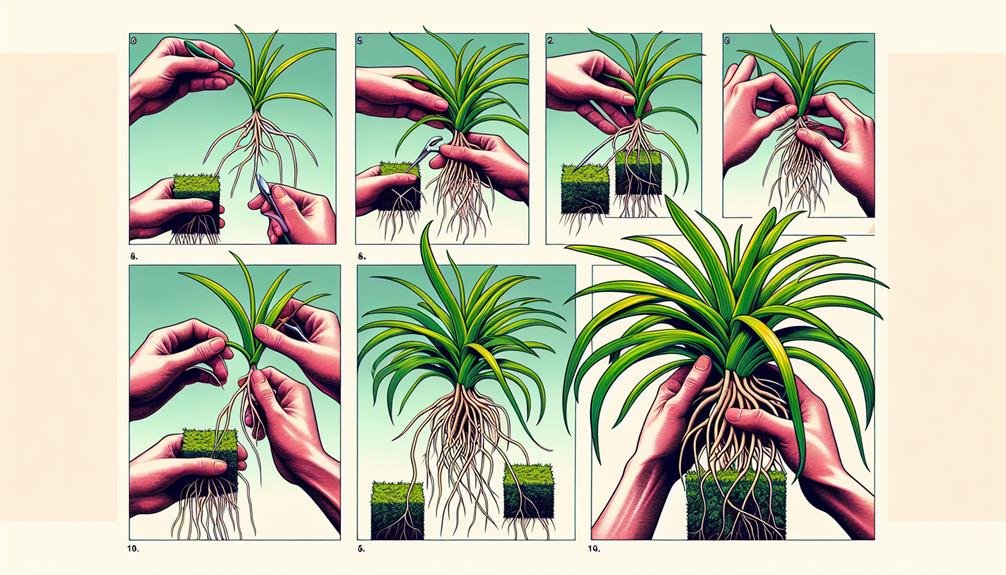
To begin propagating your houseplants using the basic division technique, carefully separate the plant into smaller sections. Ensure each section has roots attached and a good amount of foliage to support its growth. Use a clean, sharp knife or shears to divide the plant, making sure each new section has enough resources to thrive independently. Once divided, plant each section in its own pot with well-draining soil and water thoroughly.
After planting, place the newly divided sections in a warm, bright location, but avoid direct sunlight initially to prevent stress. Make sure to keep the soil consistently moist but not waterlogged to encourage root development. Regularly monitor the plants for any signs of distress, such as wilting or yellowing leaves, and adjust care accordingly.
With proper attention and care, the divided sections will establish themselves and begin to grow. This technique is an effective way to multiply your houseplant collection and rejuvenate older plants. Remember to be patient and attentive to the needs of each new plant as they adapt to their new environment.
Offset Propagation Method
Consider using the 'pupping' technique as a simple and effective method for propagating your houseplants. This method is commonly used for plants like aloe vera, snake plants, and bromeliads that produce offsets, also known as pups, around the base of the main plant.
To propagate using this method, gently separate the offsets from the parent plant using a clean, sharp knife or scissors. Ensure that each offset has some roots attached to it for better chances of successful propagation.
Once you have separated the offsets, allow them to air dry for a day or two to form a callus. This step helps prevent rotting when the offsets are planted in soil. After the callus forms, plant the offsets in a well-draining potting mix and water lightly.
Place the newly potted offsets in a warm, bright location with indirect sunlight and keep the soil slightly moist. Over time, the offsets will develop into independent plants, giving you new additions to your houseplant collection through this straightforward offset propagation method.
Rhizome Separation Approach
If you have houseplants that spread through rhizomes, such as bamboo or iris, the rhizome separation approach can be a practical method for propagation. Rhizomes are underground stems that produce roots and shoots, allowing the plant to spread horizontally.

To propagate these plants through rhizome separation, start by selecting a healthy parent plant with well-established rhizomes. Carefully dig around the plant to expose the rhizomes without causing damage. Once the rhizomes are visible, use a sharp, clean knife to cut them into sections, ensuring that each division has both roots and shoots. It's crucial to make clean cuts to prevent any potential infections.
After dividing the rhizomes, replant them in suitable soil, ensuring proper watering and light conditions for optimal growth. This method allows you to create new plants from existing ones, helping your garden or indoor plant collection to expand easily.
Remember to monitor the newly divided plants closely to ensure they establish themselves successfully in their new environment.
Stem Cutting Strategy
When propagating houseplants through the stem cutting strategy, select a healthy parent plant with sturdy stems and vibrant foliage. Choose a stem that's free from any diseases or pests, as this will give your new plant the best chance at thriving. Using a sharp, clean knife or shears, make a clean cut on the stem, ensuring it's around 3-6 inches long. Remove any lower leaves to expose a node where roots will grow from.
Next, dip the cut end of the stem into a rooting hormone to encourage root development. Plant the cutting in a well-draining potting mix, ensuring that at least one node is buried beneath the soil. Keep the soil consistently moist, but not waterlogged, and place the cutting in a warm, bright location with indirect sunlight.
Monitor the cutting regularly for signs of growth and root development. Once roots have established, usually in a few weeks to a couple of months, you can transplant the new plant into a larger container. Enjoy watching your new houseplant thrive!
Root Ball Division Method
To propagate houseplants using the Root Ball Division Method, locate a mature plant with a well-established root system that you can divide to create new plants. This method works best for plants like snake plants, peace lilies, and spider plants that have a dense root system.
Start by gently removing the plant from its pot and shaking off excess soil to expose the roots. Carefully separate the plant into sections, ensuring each division has roots and foliage. It's crucial to use a sharp, clean knife or shears to prevent damage.
Once divided, replant each section in its own pot with fresh soil, ensuring the roots are well-covered. Water the new plants thoroughly and place them in a warm, indirect light location to encourage growth. Remember to monitor the soil moisture levels and adjust watering as needed to support the newly divided plants.
With proper care, your divided houseplants will thrive and beautify your space.
Frequently Asked Questions
Can Houseplants Be Propagated Using Air Layering Techniques?
Yes, houseplants can be propagated using air layering techniques. This method involves creating a wound on a stem, wrapping it in moist soil or sphagnum moss, and allowing roots to form before cutting the stem and planting it as a new plant.
Air layering is a reliable way to propagate plants with woody stems that may not root easily through other methods. Give it a try with your favorite houseplants!
Are There Any Houseplants That Are Particularly Difficult to Propagate Using Division Techniques?
When propagating houseplants through division, some varieties can be more challenging than others. Factors like root structure and growth habits play a role in the process.
It's essential to research the specific plant you're working with to understand its propagation requirements fully. With patience and proper technique, even the trickier plants can be successfully divided for propagation.
What Are Some Common Mistakes to Avoid When Propagating Houseplants Through Division Techniques?
When propagating houseplants through division techniques, remember to avoid common mistakes.
Overzealous splitting can harm the plants, so be gentle. Ensure each new division has enough roots and foliage to thrive independently. Avoid using dull or dirty tools that could introduce infections.
Make clean cuts and provide proper care post-division to encourage healthy growth. Patience and attention to detail will increase your success rate in propagating houseplants through division techniques.
Can Division Techniques Be Used on All Types of Houseplants, or Are There Specific Plants That Are Better Suited for This Method?
When dividing houseplants, consider the plant's growth habits and root structure. Some plants, like spider plants and peace lilies, adapt well to division. However, certain plants with sensitive root systems may not thrive with this method.
It's important to research each specific plant to determine if division is suitable. Always ensure you have the right tools and follow proper techniques to avoid damaging the plants during the process.
Are There Any Special Tools or Equipment Needed for Successful Houseplant Propagation Through Division Techniques?
When propagating houseplants through division techniques, you won't need any special tools or equipment. Basic gardening supplies like a sharp knife or scissors are usually sufficient.
The key is to ensure your tools are clean and sharp to prevent damage to the plant. Remember to divide your houseplants carefully to promote healthy growth.
With a little patience and attention to detail, you can successfully propagate your plants without any fancy equipment.
Conclusion
Overall, propagating houseplants through division is a simple and effective way to expand your indoor garden. Whether you choose to use the basic division technique, offset propagation method, rhizome separation approach, stem cutting strategy, or root ball division method, each technique offers its own unique benefits.
With a little bit of practice and patience, you can easily multiply your plant collection and create a lush and thriving indoor oasis. Happy propagating!