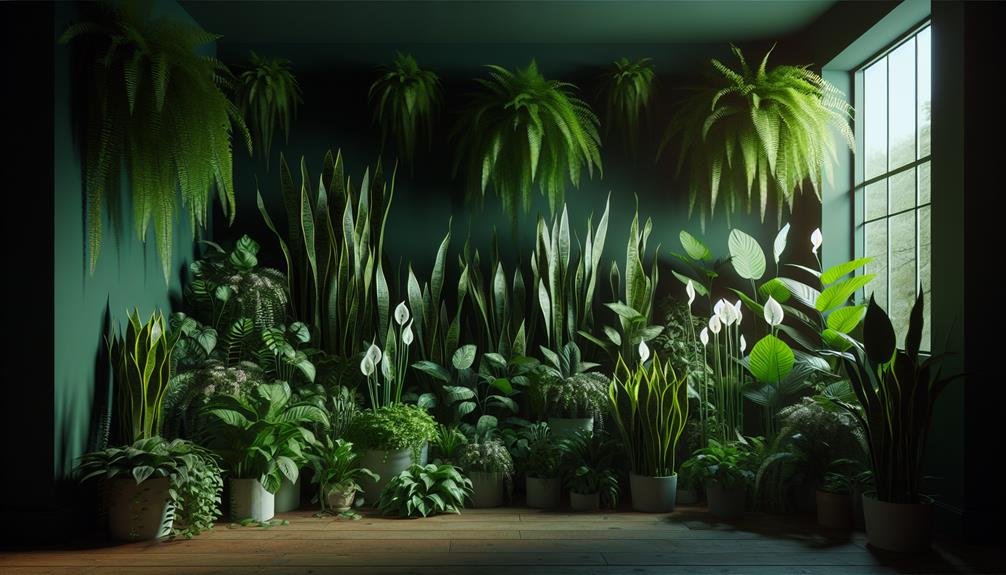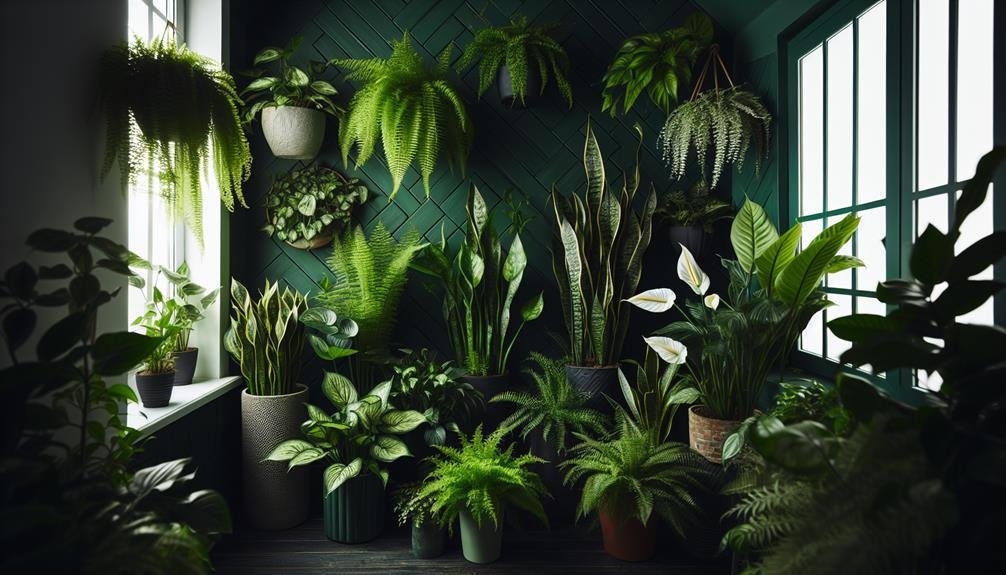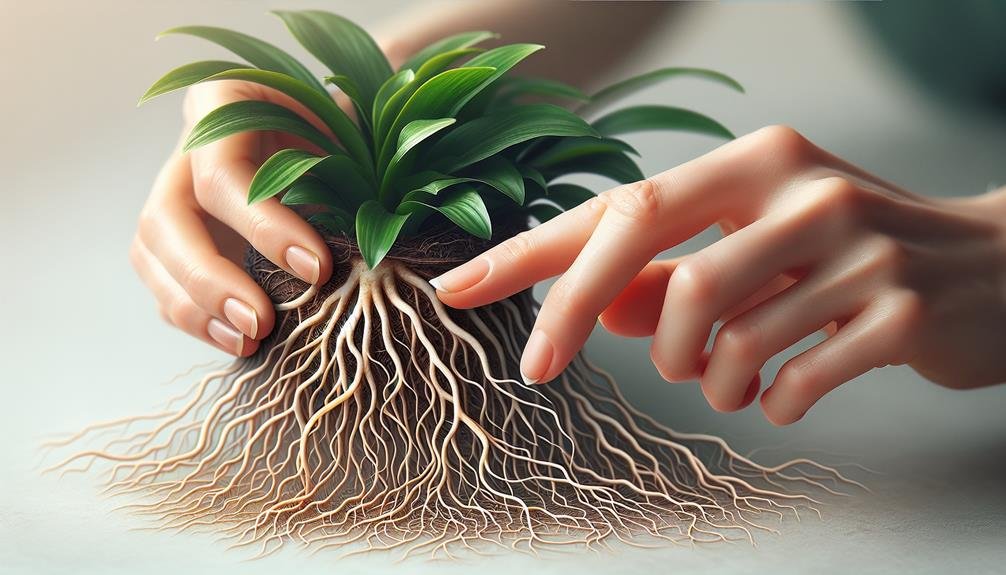
Imagine your favorite houseplant bursting out of its pot, roots stretching and entwining like a tightly knit community. Now, picture the plant thriving in a spacious, new home, each root free to explore and absorb nutrients independently.
Dividing houseplants for propagation is like giving your green companions a chance to spread their wings and flourish. But why go through the trouble of dividing them? Well, the benefits go beyond just providing more space for growth.
Benefits of Dividing Houseplants for Propagation
When propagating houseplants, dividing them offers a simple and effective way to increase your plant collection. Not only does dividing houseplants allow you to multiply your greenery without spending a fortune on new plants, but it also helps in rejuvenating older plants that may have outgrown their containers. By splitting a mature plant into smaller sections, you can revitalize its growth and encourage new shoots to develop.
Furthermore, dividing houseplants can aid in managing the size of your plants. Some species have a tendency to grow rapidly and become too large for their pots. Dividing these plants not only gives you more plants to spread around your home but also prevents them from becoming root-bound and stunted in growth. This process promotes healthier root development and overall plant vigor.
In addition to propagation and size management, dividing houseplants can also assist in controlling pests and diseases. By separating a plant into smaller sections, you can easily inspect each part for any signs of infestation or infection, preventing the spread of pests or diseases to other plants in your collection.
Increased Plant Health and Growth
To enhance the overall health and growth of your houseplants, employing proper care techniques is essential.
Dividing your houseplants for propagation not only helps in creating new plants but also contributes significantly to the well-being of the existing ones. By dividing your houseplants, you're essentially giving them more space to grow and thrive. This process allows the plants to have access to more nutrients, water, and space, which can result in increased plant health.
When plants become overcrowded in their pots, their roots can become bound and tangled, leading to stunted growth and potential health issues. Dividing these plants helps in preventing root-bound conditions, allowing the roots to spread out freely and absorb nutrients efficiently. This enhanced root system encourages healthier growth above the soil as well.
Additionally, dividing houseplants can help in rejuvenating older plants, promoting new growth and vitality. By ensuring your plants have ample space to grow through division, you're setting them up for long-term health and vibrancy.
Rejuvenating Older, Overcrowded Plants
Dividing houseplants to rejuvenate older, overcrowded plants can breathe new life into your indoor greenery. Over time, plants can become root-bound and outgrow their pots, leading to stunted growth and lackluster appearance. By dividing these older, overcrowded plants, you can revitalize them and promote healthier growth.

When plants become overcrowded, their roots compete for space and nutrients, which can hinder their overall health. Dividing these plants allows you to separate them into smaller, more manageable sections, giving each new plant more room to grow and thrive. This process can also help in removing any diseased or damaged parts, preventing the spread of issues to the entire plant.
Rejuvenating older, overcrowded plants through division is a simple yet effective way to ensure the longevity of your indoor garden. Not only does it benefit the plant's health, but it also gives you the opportunity to propagate new plants for yourself or to share with friends and family. By taking the time to divide your houseplants when needed, you can enjoy a vibrant and flourishing indoor oasis.
Creating New Plants for Yourself
To expand your indoor garden and enjoy more greenery, consider creating new plants for yourself through the process of dividing houseplants. Dividing houseplants not only helps rejuvenate older plants but also allows you to propagate new ones at no extra cost.
By dividing your existing houseplants, you can fill empty pots, create new arrangements, or simply expand your plant collection with genetically identical plants to the mother plant.
To get started, select a healthy, mature plant that has outgrown its current container. Carefully remove the plant from its pot and gently separate the root ball into sections, ensuring each new division has both roots and foliage. Plant each new division into its own pot with fresh soil, water thoroughly, and provide appropriate care based on the specific plant's needs.
Over time, the divided plants will establish themselves and grow, giving you the satisfaction of nurturing new green life in your home. Enjoy the process of creating new plants for yourself through division and watch your indoor garden flourish with vitality.
Sharing Plants With Others
Consider passing along the joy of indoor gardening by sharing your plants with others. Sharing your beloved houseplants can bring happiness to friends, family, or even strangers. Not only does it spread the beauty of greenery, but it also fosters a sense of community and connection through the shared love of plants.
When gifting a plant, choose one that's easy to care for and suits the recipient's space and light conditions. Include care instructions to ensure the plant thrives in its new home. You can also offer to help with repotting or provide guidance on watering and sunlight requirements.
Sharing plants can also be a way to commemorate special occasions or to show appreciation. A potted plant makes a thoughtful and longer-lasting alternative to cut flowers.
Frequently Asked Questions
What Are the Best Tools to Use for Dividing Houseplants?
When dividing houseplants, the best tools to use are a sharp knife or garden shears. These tools help you make clean cuts through the roots and stems without causing unnecessary damage to the plant.
Remember to sterilize your tools before and after each use to prevent the spread of diseases. By using the right tools, you can ensure a successful and healthy division process for your houseplants.
Can All Types of Houseplants Be Divided for Propagation?
Yes, not all houseplants can be divided for propagation. Some plants, like succulents, are better propagated through other methods like leaf or stem cuttings. It's important to research the specific plant species you have to determine the best propagation method.
Dividing houseplants is suitable for species that naturally grow in clumps or have multiple stems, making it easier to separate and create new plants.
How Often Should Houseplants Be Divided for Optimal Growth?
To keep your houseplants thriving, divide them every 1 to 3 years for optimal growth. This process helps prevent overcrowding and promotes healthier root systems, leading to better nutrient absorption.
Are There Any Specific Care Tips to Follow After Dividing a Houseplant?
After dividing a houseplant, it's crucial to provide proper care to help it thrive. Ensure the divided plants receive adequate sunlight and water, but avoid overwatering. Keep them in a warm environment with consistent humidity levels.
Monitor the soil moisture regularly and fertilize as needed to support new growth. Prune any damaged or yellowing leaves to encourage healthy development. By following these care tips, your divided houseplants will flourish and grow beautifully.
Can Dividing Houseplants Cause Any Harm to the Plant?
Dividing houseplants can cause harm if not done correctly. It's essential to be gentle when separating the roots to avoid damaging them.
Make sure each divided section has enough roots and foliage to thrive on its own. Providing proper care, like watering and sunlight, after division will help the plant recover and continue to grow healthily.
Conclusion
So, in conclusion, dividing your houseplants for propagation is a great way to promote their health and growth. It can rejuvenate older plants, create new plants for yourself, and share with others. It's a simple and rewarding process that can benefit both you and your plants.
Why not give it a try and watch your indoor garden flourish!