
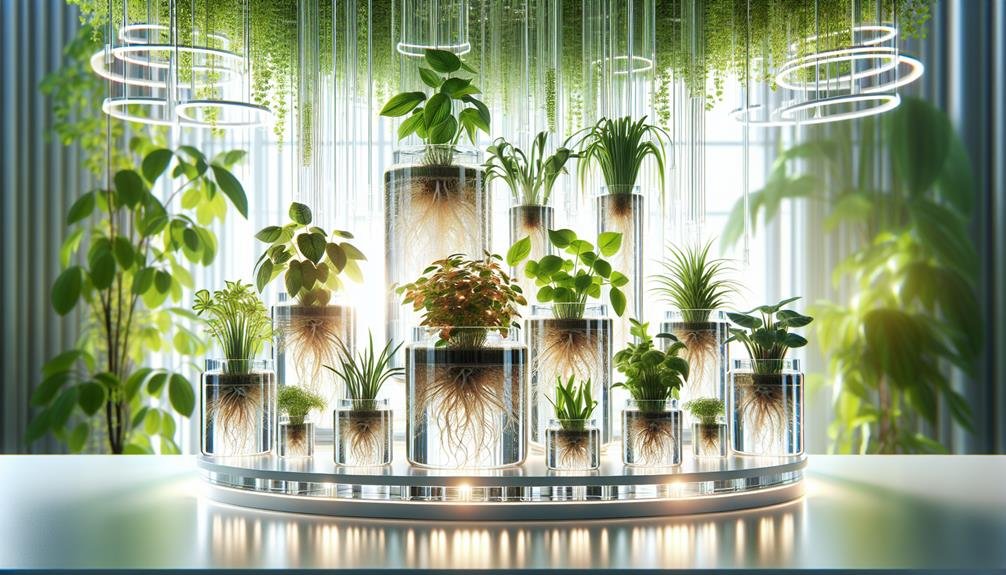
Did you know that houseplants propagated hydroponically can grow up to 50% faster compared to traditional soil methods?
Curious about how this method works and its benefits?
Learn about the key supplies you'll need, which houseplants thrive best in hydroponic systems, and how to troubleshoot common issues that may arise.
Stay tuned for essential tips to ensure the success of your hydroponic houseplant propagation journey.
Benefits of Hydroponic Plant Propagation
When propagating houseplants hydroponically, you can benefit from quicker growth rates and increased nutrient absorption compared to traditional soil methods. Hydroponic systems provide plants with direct access to nutrients, allowing them to grow faster and healthier. By eliminating the need for plants to search through soil for essential elements, hydroponic propagation ensures that your plants can focus their energy on growth rather than on root development. This efficiency leads to accelerated growth rates, meaning you can enjoy mature and thriving plants in a shorter amount of time.
Additionally, hydroponic systems offer precise control over the nutrient levels, pH, and environmental conditions, optimizing the plant's nutrient uptake and overall health. With this level of control, you can tailor the growing conditions to suit each specific plant's needs, ensuring they receive the perfect balance of nutrients for robust growth. Overall, the benefits of hydroponic plant propagation make it an efficient and effective method for cultivating healthy houseplants.
Essential Supplies for Hydroponic Setup
To set up your hydroponic system successfully, you'll need essential supplies that include:
- A reservoir: Holds the nutrient solution and provides water to your plants.
- A pump: Necessary to circulate the nutrient solution, ensuring that your plants receive a consistent supply of water and nutrients.
- Grow lights: Vital for indoor hydroponic setups as they serve as a replacement for natural sunlight, providing the necessary light spectrum for optimal plant growth.
- Nutrient solution: Specifically formulated for hydroponic systems, containing all the essential nutrients that plants require for healthy development. Make sure to choose a high-quality solution to promote robust growth and prevent nutrient deficiencies.
Choosing the Right Houseplants for Hydroponics
Consider the specific needs of each type of houseplant when selecting the right ones for hydroponic cultivation. Not all houseplants thrive in hydroponic systems, so it's crucial to choose plants that are well-suited for this method.
Herbs like basil, mint, and cilantro are excellent choices for beginners due to their adaptability to hydroponic environments. Leafy greens such as lettuce, kale, and spinach also tend to do well in hydroponic setups. Fruiting plants like tomatoes, peppers, and strawberries can be more challenging but are possible with the right setup and care. Succulents and cacti are generally not recommended for hydroponics due to their low water requirements.
When selecting houseplants for hydroponic cultivation, consider factors like light requirements, nutrient needs, and space availability. Researching the specific requirements of each plant will help you make informed decisions and set yourself up for success in your hydroponic gardening journey.

Troubleshooting Common Hydroponic Issues
Address common hydroponic issues promptly to maintain healthy plant growth and a successful cultivation environment.
One common problem is nutrient deficiencies, which can manifest as yellowing leaves or stunted growth. Check your nutrient solution's pH levels and ensure it's properly balanced.
Algae growth can also occur, typically due to excess light exposure or nutrients. To combat this, reduce light exposure and adjust the nutrient levels accordingly.
Root rot is another issue to watch out for, often caused by overwatering or poor oxygen circulation. Consider using an air stone or decreasing watering frequency to prevent root rot.
If you notice wilting or browning of leaves, it could be a sign of improper temperature or humidity levels. Ensure your hydroponic system is in a suitable environment with proper ventilation and temperature control.
Tips for Successful Hydroponic Plant Care
Maintaining successful hydroponic plant care involves implementing proactive strategies to prevent common issues and optimize plant health and growth.
Firstly, be diligent with nutrient solutions. Check and adjust the pH levels regularly to ensure optimal nutrient absorption. Monitor nutrient concentrations to avoid deficiencies or excesses that can harm your plants.
Secondly, maintain proper lighting. Make sure your plants receive adequate light intensity and duration according to their specific requirements. Consider using grow lights if natural light is insufficient.
Thirdly, ensure good airflow around your plants. Proper ventilation helps prevent mold, mildew, and pests. Additionally, regularly clean and sanitize your hydroponic system to prevent algae buildup and bacterial growth.
Lastly, stay observant. Regularly inspect your plants for any signs of stress, disease, or nutrient deficiencies. Promptly address any issues that arise to keep your plants thriving. By following these tips, you can nurture healthy and vibrant hydroponic plants with ease.
Frequently Asked Questions
Can Hydroponically Propagated Houseplants Be Transferred to Soil Once They Have Established Roots?
Yes, you can transfer houseplants propagated hydroponically to soil once their roots are established. This process should be done carefully to avoid damaging the roots.
When making the transfer, ensure the soil provides adequate nutrients and drainage for the plant's health. Water the plant appropriately after the transfer to help it adjust to the new growing medium.
With proper care, your hydroponically propagated houseplant can thrive in soil just as well.
Are There Any Specific Houseplant Varieties That Do Not Thrive in a Hydroponic Setup?
Some houseplant varieties, like succulents and cacti, may not thrive in a hydroponic setup due to their specific water and nutrient requirements. These plants are adapted to survive in arid conditions with minimal water, which differs from the constant hydration provided in a hydroponic system.
Before attempting to grow these varieties hydroponically, research their specific needs to ensure they'll thrive in this type of environment.
How Often Should Nutrient Solutions Be Changed in a Hydroponic System?
In a hydroponic system, you should change the nutrient solutions every two weeks to ensure your plants get the essential nutrients they need to thrive. This regular change helps prevent nutrient imbalances and keeps your plants healthy.
Can Pests and Diseases Still Affect Houseplants Grown Hydroponically?
Yes, pests and diseases can still affect houseplants grown hydroponically. Although hydroponic systems reduce some risks, pests like aphids or diseases can still find their way in.
To prevent issues, regularly inspect your plants, maintain proper hygiene, and consider using natural remedies or beneficial insects.
Stay vigilant to keep your hydroponic plants healthy and thriving.
Is It Necessary to Adjust Ph Levels in a Hydroponic System, and if So, How Often Should It Be Done?
To ensure optimal growth, adjusting pH levels in a hydroponic system is necessary. Regularly monitoring and modifying pH levels helps plants absorb nutrients efficiently.
It's recommended to check and adjust pH levels every 1-2 weeks, as fluctuations can impact plant health. Maintaining the correct pH range specific to the type of plant being grown is crucial for overall success in hydroponic gardening.
Conclusion
In conclusion, propagating houseplants hydroponically can offer numerous benefits, such as faster growth and healthier plants. By using the right supplies and selecting the appropriate houseplants for hydroponics, you can successfully propagate plants in a soil-free environment.
Remember to troubleshoot any issues that may arise and follow our tips for optimal plant care. With a little effort and attention to detail, you can enjoy the rewards of growing houseplants hydroponically. Happy propagating!



