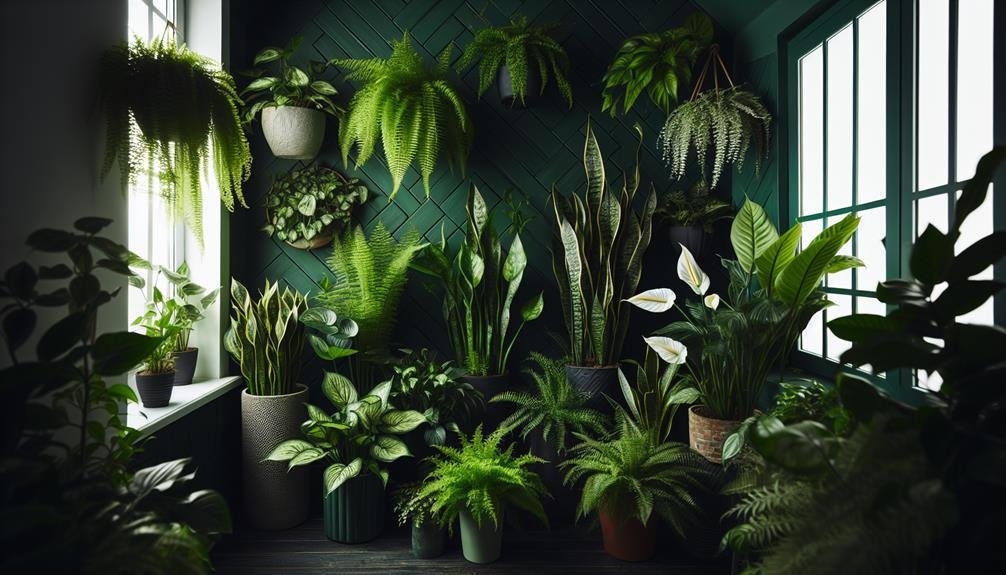
So, you've tried propagating your houseplants, but the results were less than satisfactory. Perhaps it's time to take a step back and consider a more expert approach.
By understanding the intricacies of propagation methods and utilizing the right tools, you can increase your success rate significantly.
Stay tuned to discover the secrets to successfully propagating your beloved houseplants like a true pro.
Benefits of Propagating Houseplants
When propagating houseplants, you can enjoy benefits such as creating new plants for free and expanding your indoor garden effortlessly. Not only does propagation save you money by producing new plants from your existing ones, but it also allows you to fill your home with greenery without spending a fortune.
By propagating your houseplants, you have the opportunity to share your love for gardening with friends and family by gifting them with new plant babies. This process can be incredibly rewarding as you witness the growth and development of your propagated plants, fostering a deeper connection to nature within your living space.
Additionally, propagating houseplants is a sustainable practice that reduces waste and promotes eco-friendliness in your home. Embracing propagation as part of your plant care routine can bring a sense of pride and accomplishment as you watch your indoor garden flourish with the new life you've created.
Essential Tools for Propagation
To successfully propagate houseplants, having the right tools is essential for ensuring the process is efficient and effective. One of the key tools you'll need is a sharp pair of pruning shears. These shears will help you make clean cuts on the parent plant when taking cuttings for propagation.
Additionally, having a rooting hormone is beneficial as it encourages root development in the new cuttings. A well-draining potting mix is crucial for planting the cuttings, ensuring they've the right balance of moisture and air.
Using clear plastic bags or a propagation dome can create a humid environment that promotes successful root growth. A spray bottle is handy for misting the cuttings to keep them moist during the early stages of propagation.
Lastly, having a heat mat can help maintain the ideal temperature for root development, especially for tropical plants. With these essential tools in hand, you're well-equipped to propagate your houseplants effectively.

Different Propagation Methods
Consider using various propagation methods to expand your houseplant collection and enhance your gardening skills.
One common method is propagation through stem cuttings. Simply snip a healthy stem from the parent plant and place it in water or soil to grow roots.
Another effective technique is leaf propagation, where you detach a leaf from the plant and let it develop roots.
Division involves separating plant clusters into smaller parts to create new plants.
Air layering is a method where you encourage a stem to grow roots while still attached to the parent plant.
If you want to try something different, give propagation by layering a go. This method involves burying a part of the stem while it's still connected to the parent plant, allowing it to form roots.
Each propagation method offers a unique way to multiply your houseplant collection efficiently. Experiment with these techniques to find what works best for each type of plant and enjoy watching your indoor garden flourish.
Tips for Successful Propagation
To ensure successful propagation of your houseplants, focus on providing the optimal conditions for root development and growth. Start by selecting healthy parent plants with no signs of disease or pests.
Make clean cuts when taking stem or leaf cuttings, ensuring they're at least 4-6 inches long. Remove any lower leaves to prevent them from rotting in the soil. Dip the cut end in a rooting hormone to stimulate root growth. Plant the cutting in a well-draining soil mix to prevent waterlogging, which can lead to root rot.
Place the cutting in a warm, humid environment with indirect sunlight. Mist the cutting regularly to maintain moisture levels. Avoid overwatering, as this can cause the cutting to rot. Monitor the cutting for signs of new growth, indicating successful root development.
Once roots have formed, gradually acclimate the new plant to normal growing conditions. By following these tips, you can increase the chances of successful propagation for your houseplants.
Troubleshooting Common Propagation Issues
Addressing common propagation issues starts with identifying and resolving potential challenges that may hinder the successful growth of your houseplants. One common issue is overwatering, which can lead to root rot and stunted growth. To troubleshoot this problem, ensure proper drainage in your pots and allow the soil to dry out between waterings.
Another issue is inadequate lighting, as insufficient light can cause leggy growth or yellowing leaves. To fix this, consider moving your plants to a brighter location or supplementing with grow lights.
Additionally, using the wrong type of soil can hinder propagation success. Make sure you're using a well-draining soil mix suitable for the specific plant species you're propagating.
Lastly, pest infestations can also pose a challenge. Keep an eye out for common pests like aphids or spider mites, and treat them promptly with insecticidal soap or neem oil.
Frequently Asked Questions
Can All Houseplants Be Propagated Using the Same Methods?
Yes, not all houseplants can be propagated using the same methods. Different plants require specific techniques like stem cuttings, leaf cuttings, or division. Understanding the individual needs of each plant will help you successfully propagate them.
Research the best method for the specific houseplant you want to propagate to ensure the process is effective and yields the best results.
How Long Does It Typically Take for a Propagated Houseplant to Grow Into a Mature Plant?
Typically, it takes a propagated houseplant some time to grow into a mature plant. The duration varies depending on the type of plant, propagation method used, and the plant's individual growth rate.
Factors such as light, water, and nutrients also play a role in the speed of growth. With proper care and attention, you can expect your propagated houseplant to reach maturity in a few months to a couple of years.
Are There Any Specific Environmental Conditions That Are Crucial for Successful Propagation?
To successfully propagate houseplants, it's crucial to provide the right environmental conditions. Proper lighting, humidity levels, and temperature can greatly impact the success of your propagation efforts.
Make sure your plants are placed in a spot where they can receive adequate light without being exposed to direct sunlight for too long. Keep the air around them moist and maintain a consistent temperature for optimal growth.
Can Houseplants Be Propagated Year-Round, or Are There Certain Seasons That Are Better for Propagation?
Houseplants can be propagated year-round, but certain seasons may offer better conditions for successful propagation. Factors like temperature and light availability can influence the success rate.
However, with proper care and attention, you can propagate houseplants at any time of the year. Just make sure to adjust your methods according to the specific needs of the plants you're propagating.
Are There Any Houseplants That Are Particularly Difficult to Propagate, and if So, What Are Some Tips for Successfully Propagating Them?
Some houseplants can be tricky to propagate. When dealing with challenging plants, like fiddle leaf figs or monstera, patience is key. Ensure you have the right conditions, such as proper humidity and lighting.
It's crucial to use the correct method for each specific plant. Don't get discouraged if it takes a few tries to succeed. With persistence and attention to detail, you can master propagating even the most challenging houseplants.
Conclusion
Overall, propagating houseplants can be a rewarding and cost-effective way to expand your plant collection. By using the right tools, methods, and tips, you can successfully propagate your plants and create new green additions to your home.
Remember to be patient and attentive to your plants' needs, and don't be discouraged by any common propagation issues that may arise. With practice and dedication, you'll soon become an expert at propagating houseplants.