Looking to maximize your green space but feeling limited by the constraints of your surroundings?
Ever wondered how to cultivate a thriving garden in the smallest of areas? There are innovative methods and solutions that can transform even the tiniest nook into a flourishing oasis.
From vertical gardening techniques to compact hydroponic systems, the possibilities are endless. Discover how these creative approaches can turn your limited space into a lush and bountiful sanctuary.
Vertical Gardening Solutions
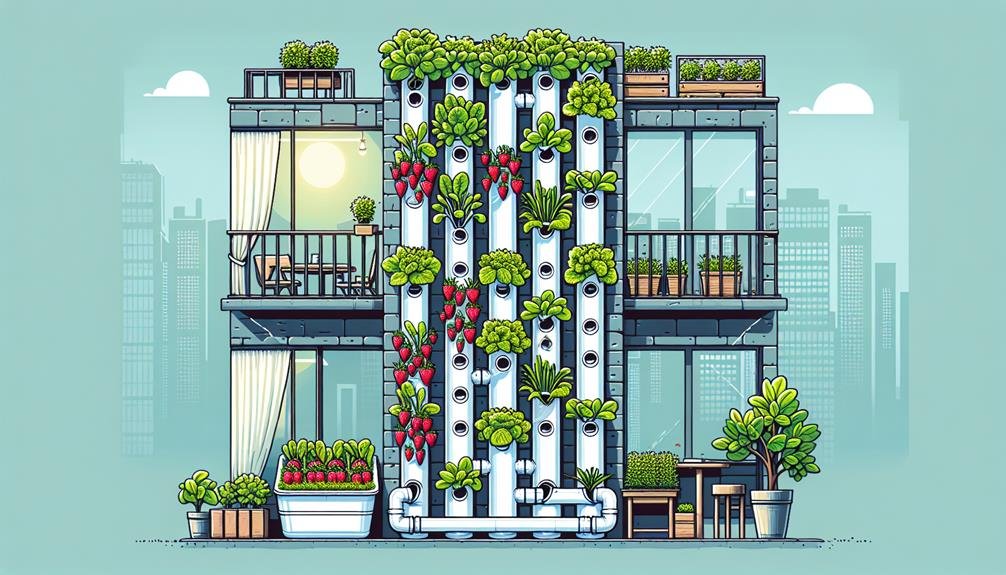
If you have limited space, vertical gardening offers a practical and efficient solution to maximize your growing area. By utilizing vertical space, you can grow a variety of plants such as herbs, flowers, and even vegetables without requiring a large horizontal footprint. Vertical gardens can be created using various methods, including wall-mounted planters, hanging baskets, and trellises.
One benefit of vertical gardening is the ease of access it provides to your plants. With plants growing upwards rather than outwards, you can easily tend to them without having to bend over or crouch down. This accessibility not only makes maintenance tasks simpler but also allows you to enjoy the beauty of your garden up close.
Furthermore, vertical gardens can help improve air quality and reduce indoor temperatures. Plants act as natural air purifiers, absorbing carbon dioxide and releasing oxygen. In addition, the transpiration process of plants can cool down the surrounding air, making vertical gardens a practical and aesthetically pleasing addition to any space.
Compact Hydroponic Systems
Compact hydroponic systems efficiently utilize space to grow plants without soil, making them ideal for indoor gardening. These systems use a nutrient-rich water solution to deliver essential minerals directly to the plant's roots, promoting faster growth and higher yields compared to traditional soil-based methods.
One popular type of compact hydroponic system is the nutrient film technique (NFT), where a shallow stream of water containing nutrients continuously flows over the plant roots. Another option is the deep water culture (DWC) system, where plant roots are submerged in a nutrient solution.
These systems are space-efficient, allowing you to grow a variety of plants in a small area, making them perfect for apartments, kitchens, or small gardens. They also require less water compared to traditional gardening, making them environmentally friendly.
With compact hydroponic systems, you can enjoy fresh herbs, vegetables, and even flowers year-round, regardless of outdoor conditions. Give hydroponic gardening a try and experience the joy of growing your own produce in limited spaces.

Creative Plant Shelving Ideas
For those looking to optimize space and showcase their plants creatively, consider exploring innovative plant shelving ideas.
One clever idea is to use vertical ladder shelves, which not only provide multiple tiers for your plants but also add a stylish touch to your space. These shelves are versatile and can be easily moved around to change up your plant display.
Another creative option is to repurpose old wooden crates or pallets as shelving units. By stacking and securing them properly, you can create a rustic and charming plant display.
Hanging wall shelves with hooks are also a great way to maximize space while adding a modern flair to your indoor garden. These shelves can hold a variety of plant sizes and look visually appealing against a plain wall.
Lastly, corner plant shelves are perfect for utilizing those awkward nooks in your home. They fit seamlessly into corners, making them ideal for small spaces while providing ample room for your plants to thrive.
Experiment with these innovative plant shelving ideas to transform your space into a green oasis.
Space-Saving Hanging Gardens
Explore vertical plant hangers as a space-saving solution to elevate your indoor garden and add a touch of greenery to your home decor. Hanging gardens are a fantastic way to maximize space by utilizing vertical areas that might otherwise go unused. These plant hangers can be mounted on walls, ceilings, or even suspended from the ceiling, providing a unique and stylish way to display your favorite plants.
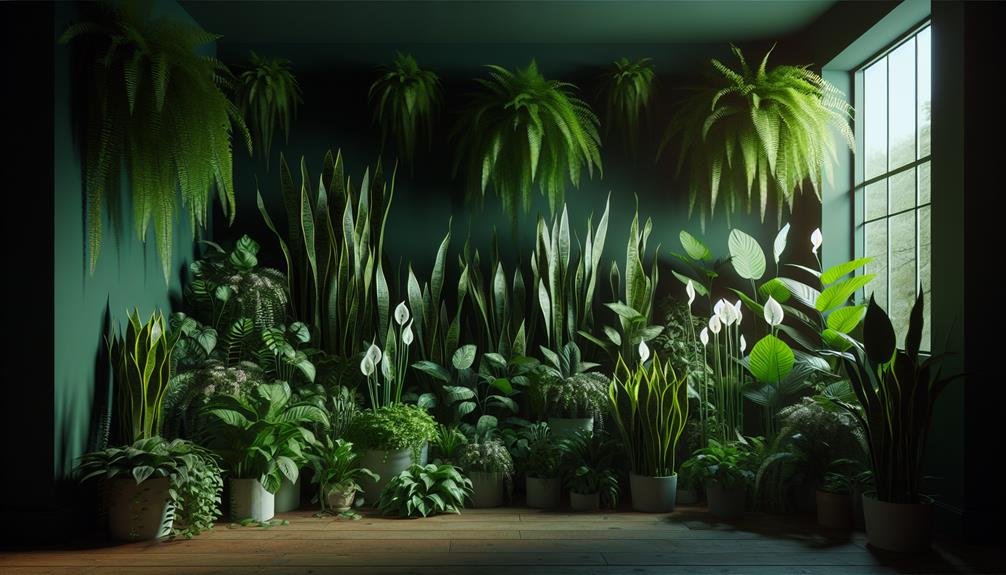
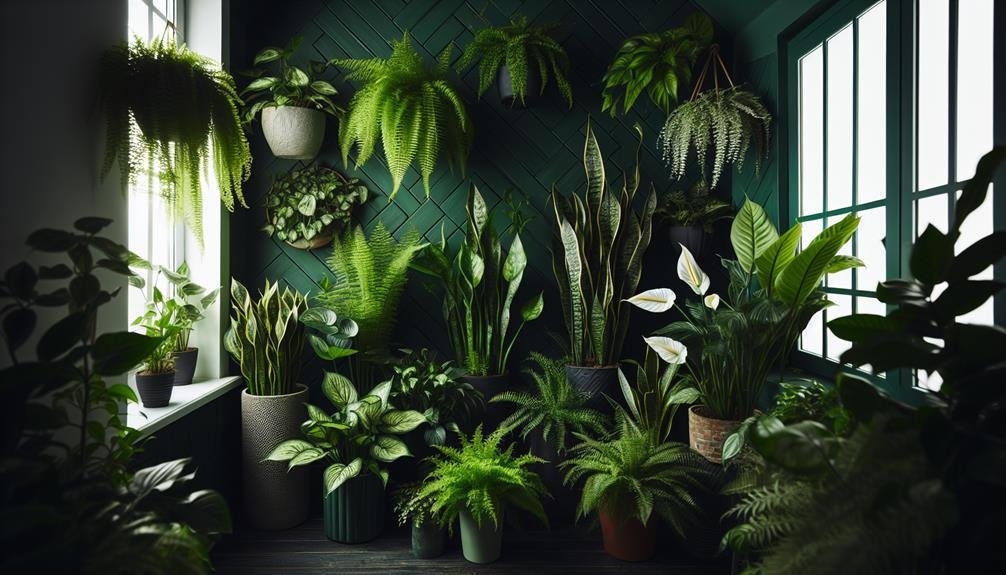
When setting up your hanging garden, consider using a variety of plant types to create visual interest and diversity. Mix cascading plants like pothos or spider plants with upright plants such as snake plants or peace lilies to add dimension to your vertical garden. Additionally, choose plant hangers that complement your home decor style, whether it's sleek and modern or bohemian and eclectic.
Hanging gardens not only save space but also help improve indoor air quality by increasing oxygen levels and removing toxins. They can transform any room into a lush oasis while adding a pop of natural color and texture. Experiment with different plant combinations and hanger styles to create a personalized hanging garden that suits your space and aesthetic preferences.
Innovative Microgreen Cultivation
To enhance your indoor gardening experience, consider incorporating innovative microgreen cultivation techniques that can elevate the flavors and nutrients in your dishes. Microgreens are young vegetable greens that are approximately 1-3 inches tall, harvested just after the first true leaves have developed. These tiny greens aren't only packed with intense flavors ranging from spicy to earthy but also contain high concentrations of vitamins, minerals, and antioxidants.
One innovative method for cultivating microgreens is using hydroponics, where plants grow in a nutrient-rich water solution without soil. This technique allows for faster growth, higher yields, and cleaner crops.
Another approach is vertical farming, which maximizes space by stacking trays of microgreens vertically. This method is ideal for those with limited space as it utilizes height rather than floor space.
With microgreen cultivation, you can enjoy a constant supply of fresh greens right at your fingertips. By exploring these innovative techniques, you can easily incorporate nutrient-dense microgreens into your daily meals, enhancing both the taste and nutritional value of your dishes.
Frequently Asked Questions
How Do You Prevent Pests and Diseases in a Vertical Gardening Setup?
To prevent pests and diseases in a vertical gardening setup, you must regularly inspect your plants for any signs of trouble. Keep a close eye out for pests like aphids or diseases like powdery mildew. Utilize natural remedies like neem oil or insecticidal soap to combat pests.
Additionally, practice good hygiene by removing any dead or diseased plant material promptly. Properly spacing your plants can also help improve air circulation and reduce the risk of diseases spreading.
What Are the Best Plants to Grow in a Compact Hydroponic System for Beginners?
When starting a compact hydroponic system as a beginner, opt for plants like herbs (basil, mint), leafy greens (lettuce, spinach), and cherry tomatoes. These plants are relatively easy to grow, require minimal space, and thrive in hydroponic setups.
Remember to regularly monitor nutrient levels and pH balance, ensuring optimal conditions for your plants to flourish. With these choices, you'll enjoy a successful and rewarding hydroponic gardening experience.
Are There Any DIY Options for Creating Plant Shelving in Small Spaces?
If you're looking to maximize your space and showcase your plants, there are plenty of DIY options for creating plant shelving in small areas.
Utilize vertical space by installing floating shelves or repurposing ladders as plant stands.
Consider hanging planters from hooks on the ceiling or walls to add greenery without taking up floor space.
Get creative with materials like wood planks, metal piping, or even repurposed pallets for a unique look.
Can Hanging Gardens Be Used Indoors as Well as Outdoors?
Yes, hanging gardens can definitely be used indoors and outdoors. They're a versatile way to add greenery to any space, whether it's a small apartment or a spacious patio.
By utilizing hanging planters or vertical gardening systems, you can create a beautiful display of plants that not only save space but also add a touch of nature to your surroundings.
Get creative and enjoy your own indoor oasis!
What Are the Benefits of Microgreen Cultivation Compared to Traditional Gardening Methods?
When it comes to the benefits of microgreen cultivation compared to traditional gardening methods, you'll find that microgreens offer a quicker harvest time, higher nutrient density, and require minimal space.
These tiny powerhouses pack a flavorful punch and are easy to grow indoors year-round.
Plus, they're a versatile addition to salads, sandwiches, and smoothies.
Conclusion
Overall, there are many creative ways to propagate plants in limited spaces. By utilizing vertical gardening solutions, compact hydroponic systems, creative plant shelving ideas, space-saving hanging gardens, and innovative microgreen cultivation techniques, you can maximize your growing potential even in small areas.
With a little creativity and ingenuity, anyone can enjoy the benefits of gardening regardless of space constraints. So get out there and start propagating in your limited space today!