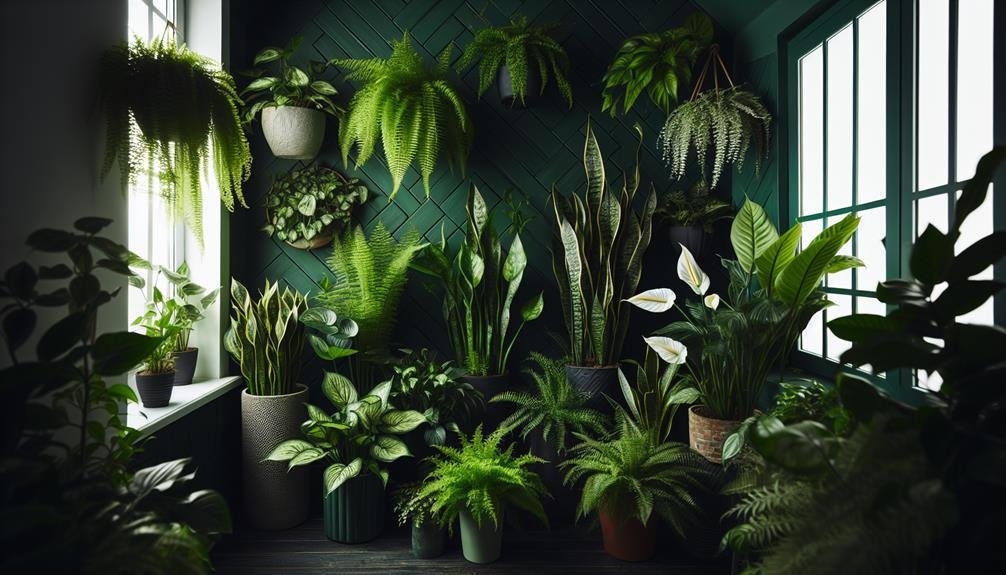
Arrowhead Vine is a popular choice as a houseplant. Originating from Central and South America, its arrowhead-shaped lush leaves come in various colors like green, pink, and burgundy. Varieties such as Syngonium Podophyllum are perfect for compact spaces. This plant adds elegance, purifies indoor air, and demands low maintenance. Thriving in different lighting conditions, it creates a calming atmosphere. Guarantee bright, indirect light, consistent moisture without waterlogging, and balanced feeding. Propagate through stem cuttings or division. Combat common pests like spider mites with care tips. Arrowhead Vine brightens any indoor space effortlessly. Its charm and benefits make it a top choice.
Origins of the Arrowhead Vine
The Arrowhead Vine originated in the tropical rainforests of Central and South America. Its lush green leaves and unique arrowhead shape make it a popular choice for indoor decoration. As a houseplant enthusiast, understanding the origins of the Arrowhead Vine can enhance your appreciation for its beauty and resilience.
By knowing that the Arrowhead Vine comes from the vibrant rainforests of Central and South America, you can better cater to its needs in your home. Mimicking its natural habitat by providing ample humidity and indirect sunlight can help it thrive in your living space. Remember, this plant has a rich history of surviving in dense, humid forests, so recreating a similar environment will safeguard its health and growth.
Next time you admire your Arrowhead Vine, think about its origins in the tropical rainforests. Your care and attention to detail in replicating its natural habitat won't only benefit the plant but also bring a touch of the lush rainforest into your home.
Unique Features and Varieties
Exploring the Arrowhead Vine's diverse array of unique features and varieties can greatly enhance your indoor gardening experience. This plant, known for its arrowhead-shaped leaves, comes in various colors such as green, pink, and burgundy, adding a pop of vibrant hues to your space. One distinctive feature of the Arrowhead Vine is its ability to adapt to different light conditions, making it a versatile choice for your home.
There are several varieties of the Arrowhead Vine to choose from, each with its own charm. The Syngonium Podophyllum is a popular choice with its striking foliage patterns, while the Neon robusta variety stands out for its bright, neon-colored leaves. If you prefer a more compact option, the Pixie variety is perfect for smaller spaces.
Benefits of Growing Indoors
Opt for growing the Arrowhead Vine indoors to enjoy numerous benefits for your living space and well-being. Arrowhead Vines, also known as Syngonium podophyllum, not only add a touch of elegance to your home but also serve as natural air purifiers, removing toxins and improving air quality. These plants are relatively low maintenance, making them ideal for individuals looking to enhance their surroundings without extensive care requirements.
By having Arrowhead Vines indoors, you can create a calming and soothing atmosphere, promoting relaxation and reducing stress levels. Additionally, these plants can thrive in various lighting conditions, making them adaptable to different areas of your home. Their lush green foliage brings a sense of nature indoors, connecting you to the outdoors even when you're spending most of your time inside.
Growing Conditions and Light Requirements
Considering your Arrowhead Vine as a houseplant choice, let's explore its specific growing conditions and light requirements. Arrowhead Vines thrive in bright, indirect light but can also adapt to lower light conditions. Placing your plant near a window with sheer curtains or using a curtain sheer to filter direct sunlight is optimal. Avoid exposing it to harsh, direct sunlight, as this can scorch the leaves. If you notice your plant becoming leggy or losing its vibrant colors, it might be receiving too little light.
On the other hand, if the leaves start to develop brown spots, it could be getting too much direct sunlight. Remember to rotate your Arrowhead Vine occasionally to guarantee even growth on all sides. Maintaining a consistent light source will help your plant flourish and showcase its beautiful foliage. By providing the right amount of light, you can enjoy a healthy and vibrant Arrowhead Vine in your home.

Watering and Feeding Tips
To guarantee the health and vitality of your Arrowhead Vine as a houseplant, it's important to comprehend proper watering and feeding techniques.
When it comes to watering your Arrowhead Vine, make sure the soil is consistently moist but not waterlogged. Allow the top inch of soil to dry out between waterings to prevent root rot. It's best to water when you notice the soil starting to dry, typically every 1-2 weeks depending on the humidity levels in your home. Remember, it's always better to underwater than overwater an Arrowhead Vine.
For feeding your Arrowhead Vine, use a balanced liquid fertilizer diluted to half-strength during the growing season, usually from spring to summer. Feed your plant every 4-6 weeks to provide it with the necessary nutrients for healthy growth. During the fall and winter months, you can reduce feeding to once every 8 weeks.
Following these watering and feeding tips will help your Arrowhead Vine thrive and beautify your living space.
Propagation Techniques
When it comes to expanding your Arrowhead Vine collection or sharing the beauty of this plant with others, learning effective propagation techniques can be rewarding. One common method for propagating Arrowhead Vines is through stem cuttings. To do this, select a healthy stem with at least a few leaves and cut it just below a node. Remove the lower leaves to expose the nodes, which are essential for root development. Place the cutting in water or a well-draining potting mix, ensuring the node is submerged or buried. Keep the cutting in a warm, humid environment with indirect light until roots develop.
Another way to propagate Arrowhead Vines is through division. When repotting your mature plant, carefully separate the rhizomes or roots into sections, making sure each division has enough roots and stems to thrive independently. Plant these divisions in separate pots with fresh soil to encourage growth. By mastering these propagation techniques, you can easily expand your Arrowhead Vine collection and share the joy of this beautiful plant with others.
Common Pests and Diseases
Common pests and diseases can pose challenges to maintaining the health and robustness of your Arrowhead Vine houseplant. Two common pests to look out for are spider mites and aphids.
Spider mites are tiny pests that suck the plant's juices, causing leaves to become discolored and brittle. You can combat spider mites by regularly misting your plant and wiping down the leaves with a damp cloth.
Aphids, on the other hand, are small insects that feed on the sap of the plant, leading to distorted growth. To get rid of aphids, try spraying your plant with a mixture of water and mild soap.
Diseases like root rot can also affect your Arrowhead Vine. Root rot occurs when the plant's roots are consistently overwatered, leading to decay. To safeguard against root rot, make sure your plant is in well-draining soil and avoid letting it sit in water. If you suspect root rot, trim away affected roots and repot your plant in fresh soil.
Decorating With Arrowhead Vine
Enhance your living space with the vibrant touch of Arrowhead Vine as a decorative houseplant choice. Arrowhead Vine, with its arrow-shaped leaves and striking patterns, can add a beautiful splash of green to any room. To decorate with Arrowhead Vine, consider placing it in a hanging basket to showcase its cascading foliage or on a shelf where its leaves can elegantly drape down. You can also place it on a plant stand to elevate its presence in the room.
The versatility of Arrowhead Vine makes it a perfect choice for various decorating styles. Whether your space is modern, bohemian, or traditional, this plant can complement different aesthetics. Its lush green leaves can brighten up a corner that needs a touch of nature or serve as a focal point in a well-lit area. Remember to place Arrowhead Vine in a spot with indirect sunlight and keep its soil moist but not waterlogged to ensure its health and longevity in your decor.
Frequently Asked Questions
Can Arrowhead Vine Be Grown Outdoors in Colder Climates?
Yes, arrowhead vine can be grown outdoors in colder climates, especially during the warmer months when temperatures are above 60°F. However, it's important to bring it indoors before the first frost hits to prevent damage.
Provide sufficient sunlight and make sure the soil remains well-drained to support its growth.
Regularly monitor the plant for any signs of stress or temperature sensitivity to maintain its health and vitality in colder climates.
How Often Should Arrowhead Vine Be Repotted?
When repotting arrowhead vine, aim to do so every 1-2 years in the spring.
Look for roots circling the pot or emerging from the bottom as signs it's time.
Gently remove the plant from its current pot, loosen the roots, and place it in a slightly larger container with fresh, well-draining soil.
Water thoroughly after repotting to help the plant adjust.
This routine promotes healthy growth and prevents overcrowding.
Are There Any Specific Fertilizers Recommended for Arrowhead Vine?
When fertilizing your arrowhead vine, opt for a balanced liquid fertilizer with equal parts nitrogen, phosphorus, and potassium. A 20-20-20 formula works well. During the growing season, feed your plant every two weeks.
In the winter, reduce this to once a month. Dilute the fertilizer to half-strength to avoid overfeeding. Remember to water your plant before fertilizing to prevent root burn.
Following these guidelines will help your arrowhead vine thrive indoors.
Can Arrowhead Vine Be Trained to Grow in a Specific Shape or Direction?
You can definitely train your arrowhead vine to grow in a specific shape or direction.
To do this, use stakes or trellises to guide its growth. Secure the vine gently to the structure using soft ties or clips, allowing it to grow in the desired pattern.
Regularly check and adjust the positioning as the plant grows to maintain the shape.
With patience and proper guidance, your arrowhead vine can be shaped to suit your preferences.
Are There Any Toxic Effects of Arrowhead Vine on Pets or Children if Ingested?
If ingested, arrowhead vine can have harmful effects on pets and children.
The plant contains insoluble calcium oxalate crystals that can cause irritation and swelling in the mouth, throat, and digestive tract, leading to symptoms like drooling, vomiting, and difficulty swallowing.
It's important to keep arrowhead vine out of reach of pets and children to prevent accidental ingestion and potential harm.
Be cautious and seek medical attention if ingestion occurs.
Conclusion
Finally, the arrowhead vine has become a popular choice for houseplant enthusiasts due to its unique features, easy maintenance, and ability to thrive indoors.
With a variety of colors and patterns to choose from, it adds a touch of natural beauty to any room.
By following simple care guidelines and providing the right growing conditions, you can enjoy the benefits of this versatile plant in your home.
Consider adding an arrowhead vine to your indoor garden for a touch of greenery and elegance.