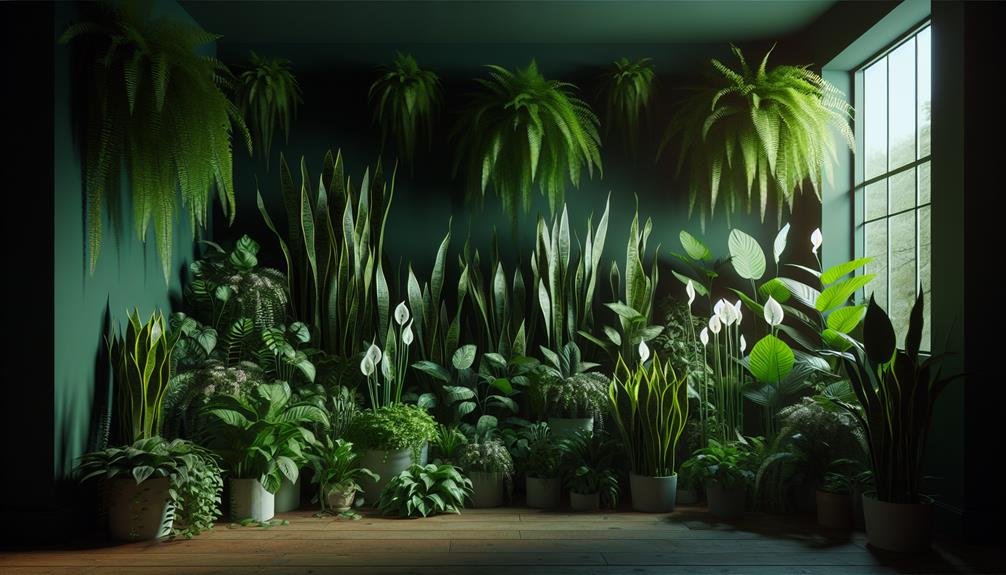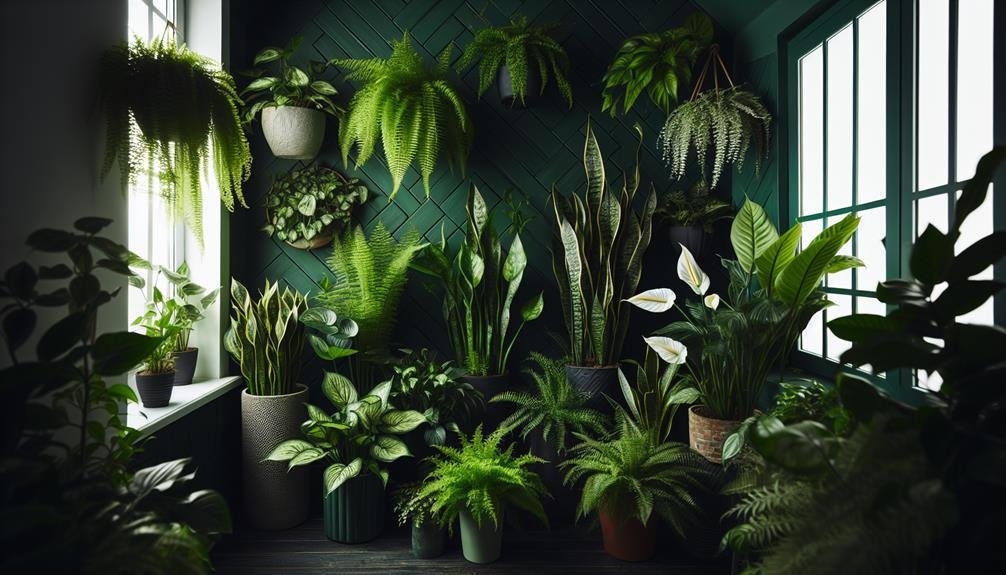
Enhance your indoor garden with seven distinctive Calathea varieties. Calathea Orbifolia features round leaves with stripes and thrives in indirect light. Calathea Medallion showcases mesmerizing patterns, requires consistent moisture, and thrives in indirect light. Calathea Zebrina offers unique striped foliage and low maintenance, ideal for indirect light. Calathea Lancifolia, the Rattlesnake Plant, needs indirect sunlight, moist soil, and high humidity. Calathea Roseopicta boasts vibrant foliage and air-purifying qualities under indirect light. Calathea Makoyana, or Peacock Plant, shines in medium to bright indirect light and provides safe elegance. Calathea Rattlesnake with its striking colors thrives in indirect light and high humidity, enriching your indoor space. Discover the full beauty of these Calathea varieties.
Calathea Orbifolia
If you want a striking addition to your indoor garden, consider adding Calathea Orbifolia with its distinctive and enthralling foliage. This stunning plant features large, round leaves with creamy stripes that contrast beautifully against the dark green background. Calathea Orbifolia is sure to captivate anyone who enters your space, making it a perfect choice for adding a touch of elegance to your home.
Caring for Calathea Orbifolia is relatively simple, making it an ideal option for both experienced gardeners and beginners. This plant thrives in indirect light and requires consistently moist soil to keep its leaves looking their best. Remember to water it regularly and provide high humidity to mimic its natural tropical environment.
Adding Calathea Orbifolia to your indoor garden not only enhances the visual appeal of your space but also brings a sense of tranquility and calmness. Its unique foliage and low-maintenance care make it a wonderful choice for anyone looking to create a peaceful oasis in their home.
Calathea Medallion
With its mesmerizing patterns and vibrant colors, the Calathea Medallion plant is a standout choice for indoor garden enthusiasts seeking a unique and eye-catching addition. This variety, known for its striking oval-shaped leaves featuring a blend of dark green hues, purples, and silver shades, can bring a touch of elegance to any space. The Calathea Medallion thrives in indirect light and requires consistent moisture to keep its foliage looking lush and healthy.
When caring for your Calathea Medallion, remember to water it regularly, ensuring the soil remains damp but not waterlogged. Consider placing a pebble tray filled with water near the plant to create a humid environment, mimicking its natural habitat. Additionally, occasional misting can help maintain the plant's humidity needs.
To prevent the edges of the leaves from browning, avoid exposing your Calathea Medallion to direct sunlight or cold drafts. With proper care and attention, this stunning plant can flourish in your indoor garden, adding a touch of sophistication to your living space.
Calathea Zebrina
Moving on to the Calathea Zebrina variety, you'll be captivated by its unique striped foliage that adds a touch of boldness to your indoor garden. This striking plant features elongated leaves with zebra-like patterns, making it a standout choice for those looking to add a bit of flair to their home decor. The Calathea Zebrina thrives in indirect light and requires consistent watering to keep its soil moist but not waterlogged. It's a relatively low-maintenance plant, perfect for individuals who want to enjoy the beauty of nature without a lot of fuss.
When caring for your Calathea Zebrina, remember to avoid direct sunlight, as this can cause its vibrant leaves to fade. Instead, place it in a spot with bright, indirect light to help maintain its bold coloring. Additionally, misting the plant regularly can help create the humid environment it craves. With proper care, your Calathea Zebrina will continue to impress with its stunning foliage and add a touch of exotic charm to your indoor space.
Calathea Lancifolia
Calathea Lancifolia, known for its lance-shaped foliage, brings a touch of elegance to any indoor garden. This stunning plant, also called Rattlesnake Plant, features dark green leaves with patterns resembling delicate brushstrokes of light green. Its unique appearance adds a sophisticated flair to your living space.

Caring for Calathea Lancifolia is a rewarding experience. Place it in a spot with indirect sunlight, as direct sun can scorch its leaves. Keep the soil consistently moist but not waterlogged, ensuring good drainage to prevent root rot. Mist the plant regularly or use a humidifier to maintain the humidity it craves.
To keep your Calathea Lancifolia thriving, consider using a pebble tray filled with water to increase the moisture in the air around it. Regularly remove dust from its leaves to allow for proper photosynthesis. With these simple care steps, you can enjoy the beauty of Calathea Lancifolia in your indoor garden for years to come.
Calathea Roseopicta
Adding to your collection of indoor plants, consider the stunning Calathea Roseopicta with its vibrant and eye-catching foliage. This variety, also known as the Rose Painted Calathea, features dark green leaves with pink stripes that resemble brush strokes, creating a beautiful and unique appearance. Calathea Roseopicta thrives in indirect light and requires consistent moisture to maintain its lushness. When caring for this plant, make sure the soil is well-draining and keep the humidity levels high to mimic its natural tropical environment. Regular misting and placing a tray of water nearby can help achieve the ideal conditions for your Calathea Roseopicta to flourish.
In addition to its striking visual appeal, Calathea Roseopicta also offers air-purifying qualities, making it a beneficial addition to your indoor space. By incorporating this plant into your home, you not only enhance the aesthetic but also contribute to creating a healthier environment for yourself and others. Remember to show your Calathea Roseopicta some love by tending to its specific care needs, and it will reward you with its beauty and air-purifying benefits.
Calathea Makoyana
With its unique design leaves and special allure, the Calathea Makoyana is a mesmerizing addition to any indoor garden. Commonly known as the Peacock Plant, it features striking feather-like patterns on its leaves, adding a touch of elegance to your space. This plant thrives in medium to bright indirect light, making it ideal for various indoor environments. The Calathea Makoyana requires consistently moist soil, so be sure to water it regularly to maintain its vibrant appearance.
To care for this stunning plant, consider placing it in a location with high humidity or using a pebble tray to increase moisture levels. Additionally, misting the leaves occasionally can help mimic its natural tropical habitat. The Calathea Makoyana is a non-toxic plant, making it safe to have around children and pets. With proper care and attention, this plant will continue to impress with its beautiful foliage, making it a wonderful addition to your indoor garden.
Calathea Rattlesnake
For enthusiasts of unique foliage plants, the Rattlesnake variety offers an enticing display with its distinctive patterns and vibrant colors. This Calathea species, known for its elongated dark green leaves featuring deep purple undersides and wavy, light green stripes resembling a rattlesnake's skin, can add a touch of exotic beauty to your indoor garden.
The Rattlesnake Calathea thrives in indirect light and requires consistently moist soil to keep its foliage looking its best.
To care for your Calathea Rattlesnake, be sure to place it in a spot with bright, indirect light, as direct sunlight can cause its leaves to fade or burn. Keep the soil consistently moist but not waterlogged, and consider using a pebble tray or humidifier to maintain the high humidity levels these plants prefer. Regularly dusting the leaves with a damp cloth can also help keep them clean and healthy.
With proper care, your Rattlesnake Calathea can continue to impress with its striking appearance and unique charm in your indoor oasis.
Frequently Asked Questions
How Often Should I Fertilize My Calathea Plants?
To maintain the health of your calathea plants, feed them every 4-6 weeks during the growing season, usually in spring and summer. Utilize a well-rounded liquid fertilizer diluted to half strength to avoid overfeeding. Confirm the soil is moist before applying the fertilizer to prevent root burn. Remember to adhere to the directions on the fertilizer packaging for correct application.
Consistent feeding will aid in the flourishing of your calatheas indoors.
Can Calathea Plants Be Propagated Through Division?
Yes, calathea plants can be propagated through division. This process involves carefully separating the plant into smaller sections, each with roots attached, to create new plants. By dividing the plant, you can expand your calathea collection or share with others.
Guarantee each division has enough roots and foliage for successful growth. Dividing calathea plants is a great way to multiply your green companions and bring more beauty into your indoor garden.
What Are Some Common Pests That Can Affect Calathea Plants?
Common pests that can affect your Calathea plants include spider mites, mealybugs, and aphids. These pests can damage the leaves, leading to discoloration and stunted growth.
To combat them, regularly inspect your plants for signs of infestation, wipe the leaves with a damp cloth to remove pests, and consider using natural remedies like neem oil or insecticidal soap. Keeping your plants clean and healthy is key to pest prevention.
How Can I Increase Humidity for My Calathea Plants?
To increase humidity for your Calathea plants, you can:
- Place a humidifier near them or group them together to create a microclimate.
- Mist the leaves regularly to help boost humidity levels.
- Place a tray filled with water and pebbles beneath the plants to increase moisture in the air around them.
- Keep the soil consistently moist to contribute to maintaining adequate humidity levels for your Calatheas.
It's important to monitor the humidity levels to ensure they are within the ideal range for Calathea plants, which is typically between 50% to 60%.
Are Calathea Plants Toxic to Pets?
Calathea plants can be toxic to pets if ingested. Some varieties contain compounds that can cause gastrointestinal issues like vomiting or diarrhea in cats, dogs, or other animals.
It's important to keep your furry friends away from these plants to prevent any potential harm. If you suspect your pet has eaten any part of a Calathea plant and is showing signs of illness, contact your veterinarian immediately for guidance and care.
Conclusion
To sum up, incorporating calathea varieties into your indoor garden can enhance its beauty and diversity. From the striking patterns of Calathea Zebrina to the elegant leaves of Calathea Orbifolia, these plants offer a unique and visually appealing addition to any space.
With proper care and attention to their specific needs, you can enjoy the vibrant colors and intricate patterns of these stunning plants in your home. Explore the different varieties and find the perfect calathea to elevate your indoor garden.