To care for indoor plants effectively, match them with suitable lighting conditions. Opt for low-light varieties like pothos for dim spots, and choose sunny plants like succulents for bright areas. Water your plants only when the top inch of soil feels dry to avoid issues like root rot. Guarantee good aeration by using well-draining soil and pots with drainage holes. Keep your plants happy with the right temperature (65-75°F) and humidity (50-60%). Regularly prune and groom to maintain plant health. Remember, selecting the right plants and understanding light requirements are essential steps for successful indoor plant care.
Choosing the Right Plants
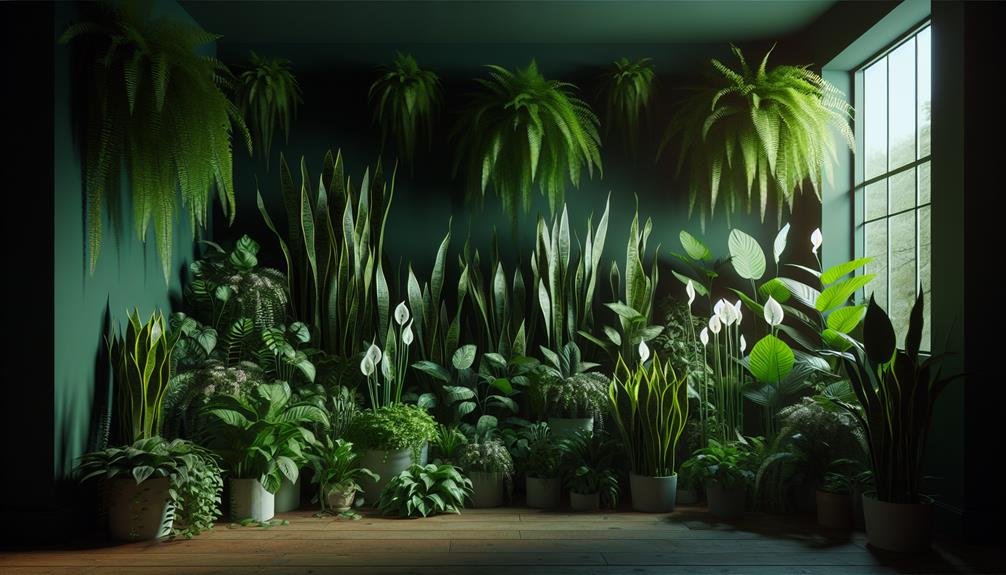
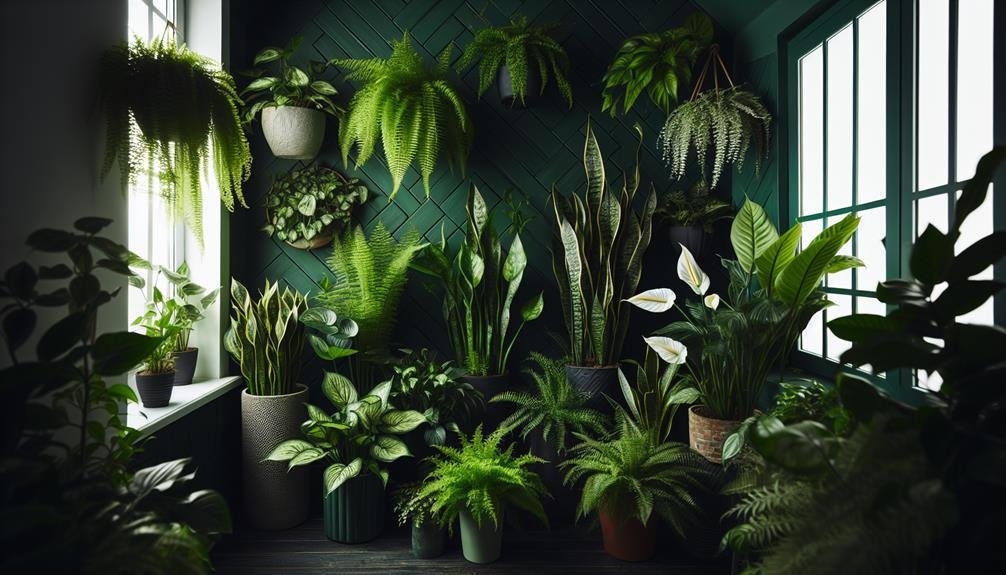
When selecting indoor plants, it's essential to take into account factors such as lighting and space requirements to ensure they thrive in your home. Consider the amount of natural light each room receives and choose plants that match those conditions. If a room has low light, opt for plants like pothos or snake plants that flourish in such environments. For rooms with lots of sunlight, consider succulents or herbs that adore the sunshine.
Furthermore, consider the space available in your home. If you have limited floor space, hanging plants or small potted plants could be the perfect fit. For larger rooms, you might choose more substantial plants like fiddle leaf figs or peace lilies to make a statement.
Understanding Light Requirements
To guarantee your indoor plants flourish, it's vital to comprehend their specific light requirements. Different plants have varying needs when it comes to light. Some thrive in bright, direct sunlight, while others prefer indirect light or even low light conditions. Assess the lighting conditions in your home to determine the best placement for each plant.
Plants that need bright, direct sunlight should be positioned near a south-facing window where they can receive ample light throughout the day. On the other hand, plants that favor indirect light can be placed a few feet away from a window or in a room with filtered light. Low-light plants can thrive in areas further from windows or in rooms with minimal natural light.
Regularly rotate your plants to make sure they receive light evenly on all sides. This helps prevent one side from becoming leggy or reaching towards the light source. By understanding and meeting your indoor plants' light requirements, you set them up for success and vibrant growth.
Watering Frequency and Techniques
Keeping your indoor plants properly hydrated is essential for their health and importance. The frequency of watering your plants depends on various factors such as the type of plant, the size of the pot, the humidity levels in your home, and the season. As a general rule of thumb, most indoor plants prefer to be watered when the top inch of soil feels dry to the touch. Overwatering can lead to root rot, while underwatering can cause wilting and stunted growth.
When watering your indoor plants, make sure to water the soil directly at the base of the plant. Avoid getting water on the leaves as this can lead to fungal diseases. Use room temperature water to prevent shocking the roots. It's also a good idea to water in the morning to allow any excess moisture to evaporate throughout the day.
Soil Selection and Maintenance
To guarantee the overall health and vitality of your indoor plants, selecting the appropriate soil and preserving its quality are fundamental aspects of plant care. When choosing soil for your indoor plants, opt for a well-draining mix that provides sufficient aeration for the roots. A good quality potting mix designed for indoor plants is typically a reliable choice. Regularly check the soil for any signs of compaction, which can impede root growth and water absorption. If the soil becomes compacted, gently loosen it with a fork to improve aeration.
Maintaining the quality of the soil is crucial for the well-being of your indoor plants. Over time, the soil can lose nutrients, impacting plant growth. To replenish these nutrients, consider using a water-soluble fertilizer as per the plant's requirements. Additionally, periodically repotting your plants with fresh soil can help rejuvenate their growth. Remember to keep an eye out for any pests or diseases that might impact the soil quality and address them promptly to prevent further damage. By paying attention to your indoor plant's soil, you can ensure they thrive in a healthy environment.

Temperature and Humidity Control
Maintaining ideal temperature and humidity levels is essential for the health and growth of your indoor plants. Most indoor plants thrive in temperatures between 65-75°F during the day and slightly cooler at night. Importance levels are critical too, with most indoor plants preferring humidity levels of around 50-60%. To control humidity, consider using a humidifier or placing a tray of water near your plants.
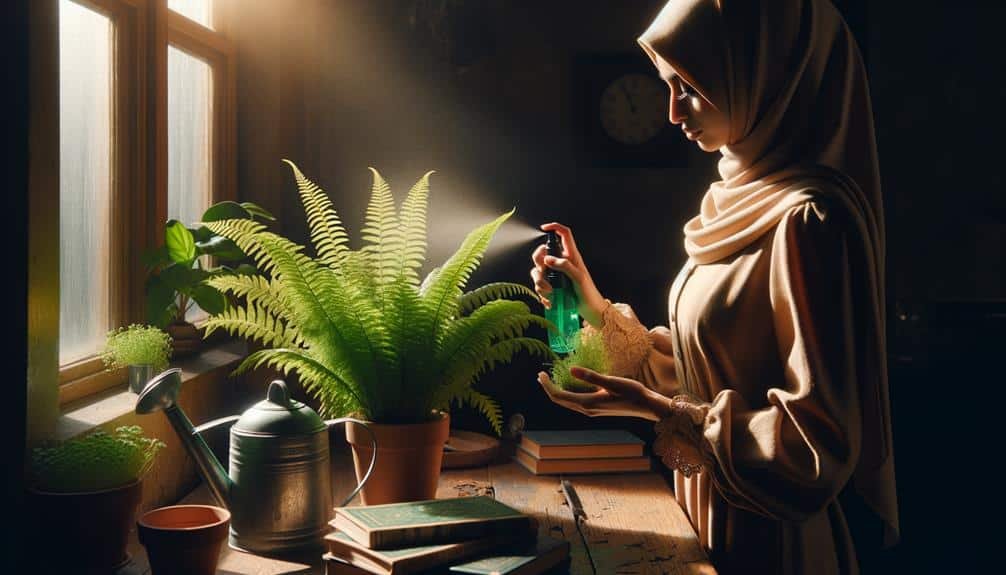
To monitor temperature, use a thermometer placed near your plants, ensuring it's not exposed to direct sunlight or drafts. Adjust your thermostat as needed to maintain a consistent temperature range. For humidity control, misting your plants regularly can also help, especially during dry seasons. Remember that sudden temperature fluctuations can stress your plants, so try to keep the environment stable.
Pruning and Grooming Tips
Wondering how to enhance the appearance and health of your indoor plants? Pruning and grooming are essential tasks that can make a significant difference. Regular pruning helps your plants maintain their shape, promotes healthy growth, and prevents overcrowding. Start by removing any dead, damaged, or yellowing leaves to keep your plants looking vibrant.
Trimming back overgrown branches or stems can also improve air circulation and light exposure, which are important for plant health. Use clean, sharp scissors or pruning shears to make precise cuts at a 45-degree angle. Be sure to sterilize your tools before and after each use to prevent the spread of diseases.
Grooming your plants by wiping their leaves with a damp cloth can help remove dust and pests, allowing them to photosynthesize more effectively. Additionally, regularly inspecting your plants for signs of disease or pest infestations can help you address issues early on. By incorporating these pruning and grooming tips into your plant care routine, you can ensure your indoor plants thrive and look their best.
Pest Prevention and Management
Frequently examine your indoor plants for pests to avoid infestations and guarantee their health and well-being. Keep an eye out for common pests such as spider mites, aphids, mealybugs, and fungus gnats. If you spot any pests, isolate the affected plant immediately to prevent the infestation from spreading to other plants.
To manage pests, consider using natural remedies like neem oil, insecticidal soap, or a mixture of water and dish soap to control small infestations. For more severe cases, you may need to resort to chemical pesticides, but always follow the instructions carefully and use them sparingly to avoid harming your plants.
Regularly cleaning your plant's leaves with a damp cloth can help prevent pests from taking hold, as well as maintaining good air circulation around your plants. Additionally, avoid overwatering your plants, as this can create a hospitable environment for pests to thrive. By staying vigilant and taking proactive measures, you can keep your indoor plants healthy and pest-free.
Fertilizing Guidelines
To guarantee your indoor plants receive essential nutrients for healthy growth, it's important to understand and follow proper fertilizing guidelines. Fertilizing your indoor plants helps them thrive by providing the necessary nutrients they need. Choose a balanced liquid fertilizer specifically formulated for indoor plants.
During the growing season, typically in spring and summer, fertilize your plants every 2-4 weeks. In the dormant season, which is usually fall and winter, reduce fertilization to once a month or even less. Always dilute the fertilizer to half the recommended strength to avoid over-fertilizing, which can harm your plants. Remember to water your plants before fertilizing to prevent root burn.
Check the specific fertilizer instructions for your plant type and adjust accordingly. Observing your plants for any signs of nutrient deficiency, such as yellowing leaves, can also guide your fertilizing schedule. By following these fertilizing guidelines, you can assure your indoor plants remain healthy and vibrant.
Repotting Your Indoor Plants
When repotting your indoor plants, make sure the new container is only one size larger to prevent overpotting. Overpotting can lead to waterlogging and root rot, which can harm your plant.
Before repotting, gently loosen the roots of your plant to encourage healthy growth in the new container. Choose a well-draining potting mix to promote proper aeration and drainage. When placing your plant in the new container, ensure it sits at the same depth as it was in the previous pot.
After repotting, water your plant thoroughly but allow excess water to drain out. Keep your plant in a shaded area for a few days to reduce stress from the repotting process. Monitor your plant closely in the following weeks to ensure it adapts well to its new environment.
Frequently Asked Questions
How Can I Prevent My Indoor Plants From Attracting Pests Like Fungus Gnats or Spider Mites?
To prevent indoor plants from attracting pests like fungus gnats or spider mites, uphold proper watering practices by not overwatering. Confirm good air circulation and avoid overcrowding plants.
Regularly inspect your plants for signs of pests and promptly address any infestations with natural remedies or insecticidal soap. Keep your plant's environment clean and free from debris to deter pests.
Is It Necessary to Use a Humidifier for My Indoor Plants, or Are There Alternative Methods to Increase Humidity Levels?
To increase humidity for your indoor plants without a humidifier, you can use various methods.
You can place a shallow tray filled with water near your plants. As the water evaporates, it raises humidity levels.
Misting your plants with water can also help. Grouping plants together can create a microclimate that boosts humidity.
Additionally, using a pebble tray or placing a bowl of water near a heat source can add moisture to the air.
Are There Any Indoor Plants That Are Safe for Pets, Especially Cats and Dogs?
When choosing indoor plants safe for pets like cats and dogs, consider options such as spider plants, Boston ferns, and African violets. These plants are non-toxic to animals and can flourish indoors.
Remember to research specific plants for potential toxicity and place them out of reach of curious pets.
Creating a pet-friendly environment with safe indoor plants guarantees a healthy and harmonious living space for both you and your furry companions.
How Do I Know if My Indoor Plant Needs to Be Repotted, and What Are the Signs to Look For?
To know if your indoor plant needs repotting, check for roots growing out of drainage holes, crowded roots on the surface, soil drying out quickly, or the plant tipping over easily. If you see these signs, it's time to repot.
Choose a pot that's slightly larger, add fresh soil, gently remove the plant from its current pot, and place it in the new one. Water the plant thoroughly after repotting to help it settle.
Can I Use Tap Water for All of My Indoor Plants, or Should I Consider Using Filtered or Distilled Water?
You can use tap water for most indoor plants, but some may prefer filtered or distilled water. Tap water can contain minerals that can build up in the soil over time, potentially harming your plants.
If you notice browning leaf tips or white crust on the soil surface, it might be a sign of mineral buildup. Consider using filtered or distilled water for sensitive plants or if you have hard water in your area.
Conclusion
To sum up, maintaining indoor plants requires attention to detail and consistency. By choosing the right plants, understanding their light and water needs, ensuring proper soil and temperature conditions, and following pruning and pest prevention techniques, you can help your indoor plants thrive.
Remember to fertilize and repot your plants as needed to promote healthy growth. With these essential care guidelines in mind, you can enjoy beautiful and vibrant indoor greenery in your home.