
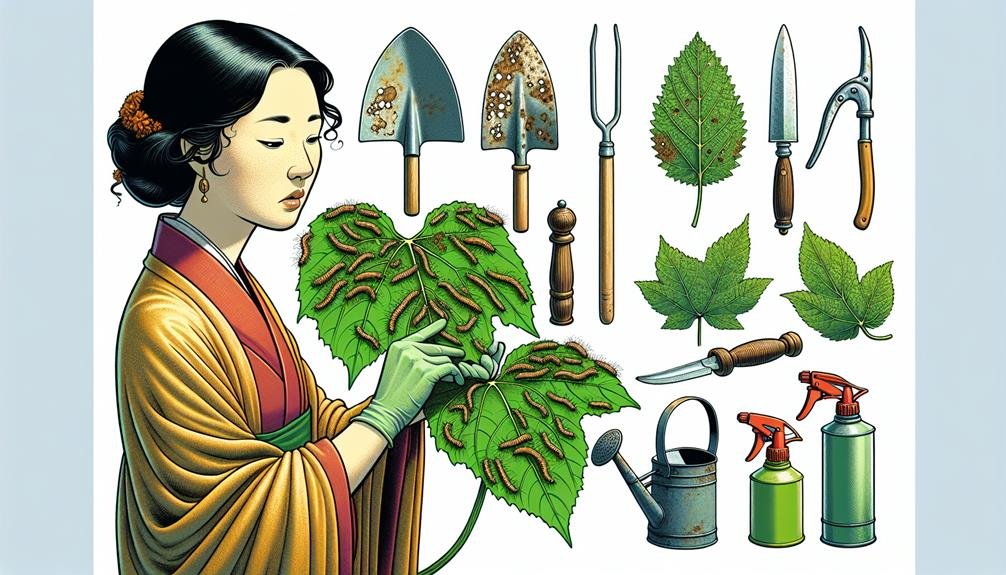
Have you ever wondered how the battle against leaf miners started? From ancient remedies passed down through generations to the introduction of modern chemical pesticides, the journey of treating leaf miners is a fascinating one.
But it doesn't stop there. The evolution of control methods has paved the way for sustainable practices that prioritize both plant health and environmental well-being.
Curious to explore the diverse strategies employed in this historical pest management saga? Stay tuned for a glimpse into the intriguing world of combating leaf miners.
Early Remedies for Leaf Miners
When combating leaf miners in the past, gardeners often resorted to homemade remedies using common household ingredients. One popular method involved mixing dish soap with water and spraying it on the affected plants. The soap would suffocate the leaf miner larvae, helping to control the infestation.
Another common DIY solution was neem oil, known for its insecticidal properties. Gardeners would dilute neem oil in water and apply it to the plants, disrupting the life cycle of the leaf miners.
Copper tape was also a go-to option for many gardeners. By wrapping copper tape around the base of plants or pots, they created a barrier that deterred leaf miners from laying eggs. Additionally, introducing natural predators like ladybugs or lacewings to the garden helped keep leaf miner populations in check.
These early remedies, though simple, were effective in managing leaf miner infestations without the need for harsh chemicals.
Traditional Cultural Practices
To adapt to changing environmental conditions and maintain plant health, incorporating traditional cultural practices into your gardening routine can play a key role in managing leaf miners effectively.
Start by practicing crop rotation to disrupt the life cycle of leaf miners. Avoid planting the same crop in the same location year after year as this can help reduce leaf miner populations.
Additionally, practicing good sanitation by promptly removing and destroying infested leaves can prevent the spread of leaf miners to other plants in your garden.

Introducing beneficial insects like ladybugs and parasitic wasps can also aid in controlling leaf miner populations naturally. Furthermore, mulching around plants can help regulate soil temperature and moisture levels, creating unfavorable conditions for leaf miners.
Remember to monitor your plants regularly for any signs of leaf miner infestations and take proactive measures to address them promptly. By incorporating these traditional cultural practices, you can effectively manage leaf miners and promote a healthier garden ecosystem.
Chemical Pesticides Introduction
Consider incorporating chemical pesticides as a targeted approach for managing leaf miners in your garden. Chemical pesticides are a common method used to control leaf miners effectively. These pesticides contain active ingredients that target and eliminate leaf miner larvae or adults. When using chemical pesticides, it's essential to follow the instructions carefully to ensure proper application and minimize any potential risks to other beneficial insects or the environment.
There are different types of chemical pesticides available for leaf miner control, including both synthetic and organic options. Synthetic pesticides like spinosad or abamectin are effective in controlling leaf miners but may also harm beneficial insects. On the other hand, organic pesticides, such as neem oil or pyrethrin, offer a more environmentally friendly alternative while still effectively managing leaf miner infestations.
Before using chemical pesticides, consider the severity of the leaf miner infestation and weigh the pros and cons of each type of pesticide. Always remember to apply pesticides responsibly and consider other management strategies for long-term leaf miner control.
Biological Control Methods
Explore the effectiveness of biological control methods in managing leaf miners in your garden. Biological control offers a sustainable and environmentally friendly approach to combatting these pests. One effective method is introducing natural predators like parasitic wasps that lay their eggs inside leaf miner larvae, eventually killing them. Ladybugs are also great allies in controlling leaf miners as they feed on the eggs and larvae.
Another biological control method involves using bacteria or fungi that are harmful to leaf miners but safe for other beneficial insects and plants. These pathogens can be sprayed onto the leaves to infect and kill the leaf miner larvae. Additionally, planting trap crops like nasturtiums can attract leaf miners away from your main crops, reducing the damage they cause.
Sustainable Integrated Pest Management
Switching focus to a sustainable approach, managing leaf miners through Integrated Pest Management involves combining various control tactics to minimize pesticide use and environmental impact. By implementing Integrated Pest Management (IPM), you can effectively control leaf miner populations while promoting ecosystem balance.
Start by monitoring leaf miner activity to determine the severity of infestations. Utilize cultural control methods such as removing and destroying affected leaves or using reflective mulches to deter leaf miners. Encouraging natural enemies like parasitoid wasps and predatory beetles can also help keep leaf miner populations in check. Additionally, consider deploying pheromone traps to disrupt the mating behavior of adult leaf miners.
When practicing IPM, remember that chemical controls should be used as a last resort and only when non-chemical methods prove insufficient. Selective insecticides that target leaf miners while minimizing harm to beneficial insects are preferred. By adopting a holistic approach through Sustainable Integrated Pest Management, you can effectively manage leaf miners while safeguarding the environment for future generations.
Frequently Asked Questions
Can Leaf Miners Affect the Overall Health of a Plant Beyond Just Cosmetic Damage?
Leaf miners can indeed impact a plant's overall health beyond cosmetic damage. These pests tunnel through leaves, disrupting the plant's ability to photosynthesize and absorb nutrients. This can weaken the plant, making it more susceptible to diseases and other stressors.
Regular monitoring and appropriate treatment can help mitigate these effects and maintain the plant's health. Keep a close eye on your plants to catch leaf miners early and prevent long-term damage.
Are There Any Natural Predators of Leaf Miners That Can Help Control Their Populations?
Yes, there are natural predators of leaf miners that can assist in controlling their populations. Beneficial insects like parasitic wasps and ladybugs are known to prey on leaf miners. By introducing these predators into your garden, you can help manage the leaf miner population in an eco-friendly manner.
Encouraging a diverse ecosystem in your garden can also attract other natural enemies of leaf miners, contributing to a balanced and healthier environment for your plants.
How Do Environmental Factors Such as Temperature and Humidity Impact Leaf Miner Infestations?
Environmental factors like temperature and humidity play a crucial role in leaf miner infestations. Warmer temperatures and higher humidity levels can create more favorable conditions for leaf miners to thrive and reproduce.
These factors can influence the development and survival rates of leaf miner populations, impacting the severity of infestations in plants. Monitoring and managing these environmental conditions can help control and reduce leaf miner infestations effectively.
Can Companion Planting Be Effective in Deterring Leaf Miners From Attacking Plants?
Companion planting can help deter leaf miners from attacking plants. By strategically placing plants that naturally repel these pests near vulnerable ones, you create a barrier that can reduce infestations. Marigolds, garlic, and onions are known to be effective in repelling leaf miners.
Additionally, planting diverse species together can disrupt the pests' ability to locate their preferred host plants, making it harder for them to establish a strong presence in your garden.
Are There Any Alternative Methods for Treating Leaf Miners That Are Not Mentioned in the Article?
When dealing with leaf miners, you can try neem oil spray or introducing natural predators like parasitic wasps. These methods can help control leaf miner populations without harming your plants or the environment.
Remember to monitor your plants regularly to catch any infestations early and take action promptly. By being proactive and using alternative treatments, you can effectively manage leaf miners in your garden.
Conclusion
In conclusion, treating leaf miners has evolved over time from traditional remedies to more sustainable methods like integrated pest management. By understanding the history of treatments, you can make informed decisions on how to effectively manage leaf miner infestations in your garden or crops.
Remember to consider the environmental impact and choose methods that are both effective and environmentally friendly. With proper knowledge and care, you can successfully control leaf miners and protect your plants.



