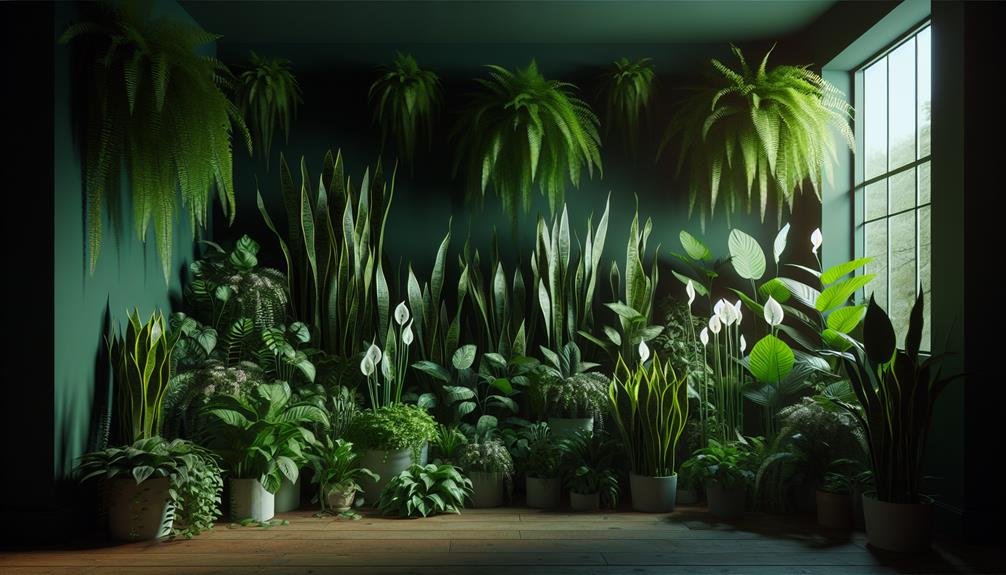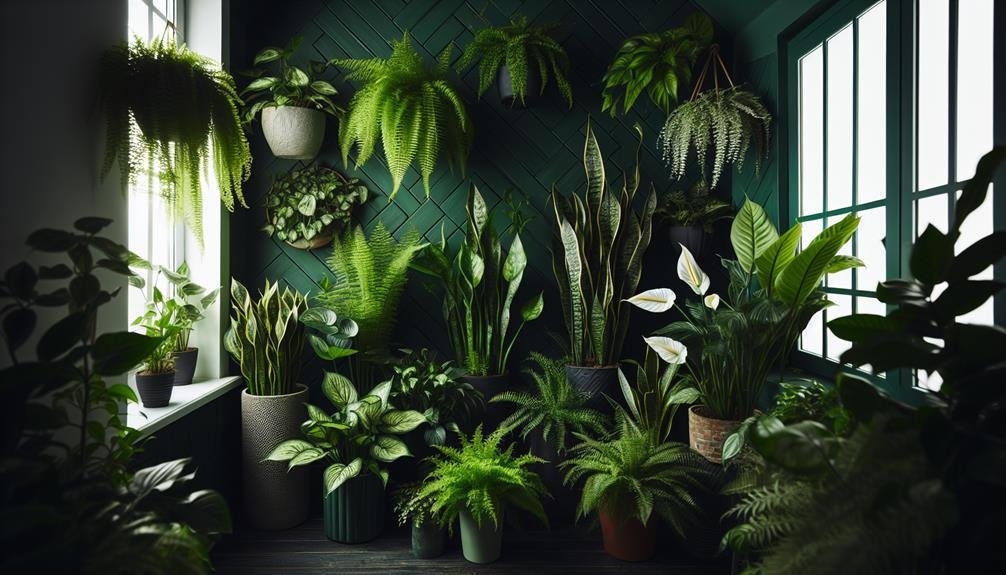
When it comes to low light environments, the debate between indoor and outdoor houseplants can be intriguing. You may wonder which type thrives better under such conditions. As you consider the benefits and drawbacks of each setting, you’ll uncover unique insights that challenge conventional wisdom.
Stay tuned to discover the secrets behind maximizing plant growth in dimly lit spaces, whether indoors or outdoors.
Indoor Vs Outdoor Houseplants: Light Adaptability
When choosing between indoor and outdoor houseplants, consider their adaptability to different light conditions. Indoor plants are generally more suited for low light environments since they’ve evolved to thrive in shaded areas within homes. These plants are accustomed to receiving less direct sunlight and can typically survive with artificial light sources.
Outdoor plants, on the other hand, are often accustomed to direct sunlight and may struggle in low light conditions indoors.
Indoor houseplants like the snake plant, pothos, and peace lily are excellent choices for areas with limited natural light. These plants have adapted to survive in environments where sunlight is scarce, making them ideal for indoor spaces. Their ability to photosynthesize efficiently with minimal light sets them apart from outdoor plants that require more sunlight for sustenance.
Factors Influencing Low Light Survival
Indoor houseplants’ ability to thrive in low light conditions is influenced by various factors. The amount of available natural light plays a significant role in determining which plants will flourish indoors. Different plants have varying light requirements, with some being more tolerant of low light levels than others. Additionally, the direction a window faces can impact the intensity and duration of light exposure that plants receive. North-facing windows generally provide the lowest light levels, while south-facing windows offer the most sunlight.
The distance between the plant and the light source also affects its ability to photosynthesize effectively. Plants placed further away from a light source may struggle to convert light into energy, especially in low light conditions. Moreover, the duration of light exposure each day is crucial for plant growth. Consistent, moderate light levels for a few hours a day can be more beneficial than sporadic, intense light exposure. Understanding these factors can help you choose the right indoor houseplants that will thrive in low light environments.
Best Indoor Houseplants for Low Light
For optimal growth in low light conditions, selecting the right indoor houseplants is essential. When choosing plants for low light environments, consider varieties like the ZZ plant, known for its ability to thrive with minimal light.
Another excellent option is the pothos, a versatile plant that can adapt to various lighting conditions, including low light. The snake plant is also a great choice as it’s hardy and can survive in low light while adding a touch of elegance to your space.
If you prefer flowering plants, consider the peace lily, which not only brightens up a room with its blooms but also tolerates low light well. The spider plant is another attractive option that can flourish in low light settings.

Remember to place these plants near a window to maximize the available light and rotate them occasionally to ensure even growth. With the right selection of indoor houseplants, you can enjoy a green and vibrant space even in low light conditions.
Best Outdoor Houseplants for Low Light
To find suitable outdoor houseplants for low light conditions, consider varieties that can thrive with minimal sunlight exposure. Some great options for low light outdoor plants include peace lilies, ferns, and snake plants.
Peace lilies are known for their elegant white flowers and ability to grow well in shaded areas. Ferns, such as Boston ferns or maidenhair ferns, are excellent choices for low light as they prefer indirect sunlight and high humidity. Snake plants, also known as mother-in-law’s tongue, are incredibly resilient and can survive in low light conditions with infrequent watering.
Another outdoor plant that does well in low light is the cast iron plant. True to its name, this plant is extremely tough and can withstand neglect, making it perfect for those dimly lit corners of your outdoor space. Additionally, Chinese evergreens are also a good option for low light outdoor areas. Their attractive foliage adds a touch of greenery to shaded spots.
Tips for Thriving Plants in Limited Light
Maximize the health of your plants in limited light conditions by strategically placing them near windows or under artificial grow lights for optimal growth. When positioning your plants near windows, ensure that they receive indirect sunlight as direct sunlight can scorch their leaves. Rotate your plants regularly to promote even growth on all sides. Consider using sheer curtains to filter intense light if your windows receive direct sunlight.
If natural light is insufficient, supplement with artificial grow lights specifically designed for plants. LED grow lights are energy-efficient and emit the full spectrum of light needed for photosynthesis. Keep the lights on for about 12-14 hours a day, ensuring they’re positioned close enough to provide sufficient light intensity.
Monitor your plants closely for signs of stress such as yellowing leaves or leggy growth, adjusting their placement or light exposure accordingly. By following these tips, your plants can thrive even in limited light conditions.
Frequently Asked Questions
Can Outdoor Houseplants Be Brought Indoors During the Winter Months to Thrive in Low Light Conditions?
During the winter months, you can bring outdoor houseplants indoors to thrive in low light conditions.
It’s important to acclimate them gradually to the new environment to prevent shock.
Place them in areas with indirect sunlight and consider supplementing with grow lights if needed.
Keep an eye on soil moisture levels, as indoor environments can be drier.
Regularly dust off leaves to ensure they can efficiently absorb light for photosynthesis.
Are There Any Specific Types of Indoor Houseplants That Do Better in Low Light Compared to Others?
When looking for indoor houseplants that thrive in low light, consider options like pothos, snake plants, or peace lilies. These varieties can do well even with minimal sunlight, making them great choices for dimmer spaces in your home.
Remember to place them near windows or areas with indirect light to help them grow happily. With the right care, these plants can bring a touch of green to your low-light areas.
How Can I Determine if My Indoor Houseplant Is Getting Enough Light in a Low Light Environment?
To determine if your indoor plant is getting enough light in a low light setting, observe its growth. Look for signs like leggy stems or yellowing leaves, which indicate insufficient light.
Consider moving the plant to a brighter spot if needed. Remember, each plant has different light requirements, so pay attention to its specific needs.
Regularly checking on your plant’s condition will help you ensure it thrives in its environment.
Are There Any Special Requirements for Outdoor Houseplants That Are Being Grown in Low Light Conditions?
In low light conditions, outdoor houseplants may need extra care to thrive. Consider plants that can tolerate shade well and monitor their growth closely. Ensure they receive occasional sunlight and avoid overwatering.
Some outdoor plants may benefit from supplemental lighting if natural light is insufficient. Adapting to their specific needs will help outdoor houseplants flourish even in low light environments.
Is It Possible to Use Artificial Lighting to Supplement Natural Light for Indoor Houseplants in Low Light Settings?
Yes, you can use artificial lighting to supplement natural light for your indoor plants in low light conditions. Positioning the lights strategically and ensuring they’re on for the right amount of time can make a significant difference in helping your plants thrive.
Remember to choose the appropriate type of light for your specific plants to mimic the sunlight they require for growth and health.
Conclusion
In conclusion, when it comes to low light conditions, indoor houseplants tend to be better suited than outdoor plants. Factors like adaptability to light, specific plant species, and care tips play a crucial role in the survival and thriving of plants in limited light.
By choosing the right indoor houseplants and following proper care guidelines, you can enjoy a green and healthy environment even in low light settings.