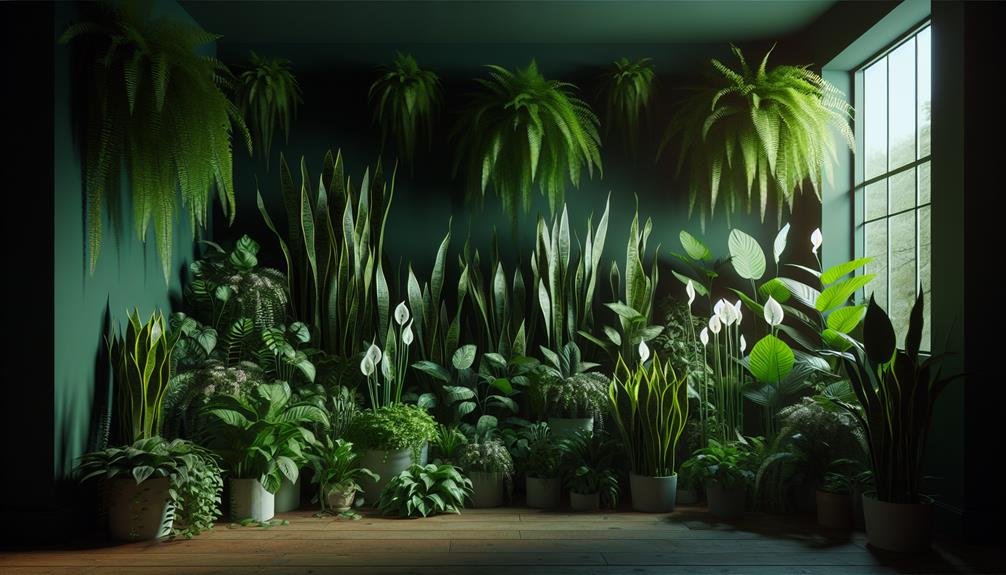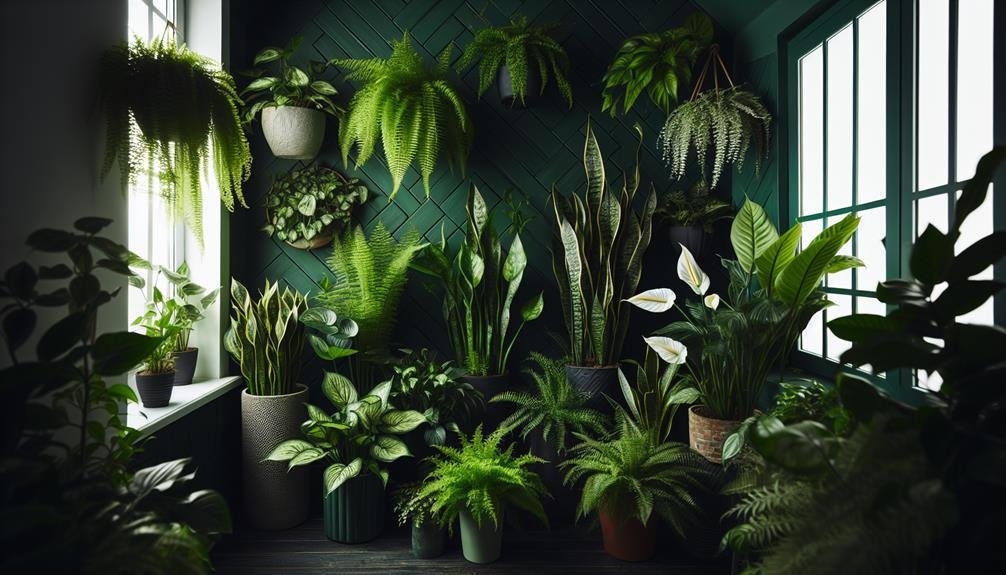
Have you ever wondered if the air-purifying abilities of outdoor houseplants surpass those of their indoor counterparts?
The answer may lie in the unique characteristics and mechanisms that outdoor plants possess.
Understanding how these plants interact with their environment and the specific factors that influence their air-purifying effectiveness can shed light on this intriguing question.
Stay tuned to uncover the secrets behind outdoor houseplants and their potential impact on indoor air quality.
Benefits of Outdoor Houseplants
Indoor houseplants offer numerous benefits for both your health and the environment. Not only do they add a touch of green to your living space, but they also have the power to reduce stress and boost your mood. By bringing nature indoors, these plants can create a calming atmosphere and improve your overall well-being.
Having houseplants can also enhance the air quality in your home by absorbing toxins and releasing oxygen. This natural air purification process can help reduce indoor pollution and promote better respiratory health. Additionally, plants can increase humidity levels, which is especially beneficial during dry seasons or in homes with air conditioning.
Caring for indoor plants can also be a rewarding hobby that promotes relaxation and mindfulness. Watering, pruning, and watching your plants grow can provide a sense of accomplishment and connection to nature. So, next time you're looking to spruce up your home decor, consider adding some indoor houseplants to reap these health and environmental benefits.
Air Purification Mechanisms
To understand how outdoor houseplants contribute to air purification, it's important to explore the mechanisms by which these plants effectively filter toxins from the environment. Outdoor houseplants purify the air through a process called phytoremediation. This mechanism involves plants absorbing contaminants through their leaves and roots, breaking them down, and either storing or transforming them into less harmful substances. Some outdoor houseplants, like peace lilies and spider plants, are particularly adept at removing common indoor toxins such as formaldehyde and benzene.
Additionally, outdoor houseplants enhance air quality by releasing oxygen during photosynthesis, which helps combat indoor air pollution. The plant's leaves capture pollutants from the air, while the roots and soil microorganisms work together to metabolize the toxins. This natural process not only improves air quality but also adds moisture to the air, creating a healthier indoor environment. By strategically placing outdoor houseplants in your living spaces, you can benefit from their air-purifying abilities while enjoying the aesthetic appeal they bring to your home.
Comparison With Indoor Varieties
When comparing outdoor houseplants for air purification with their indoor counterparts, consider their effectiveness in removing toxins from the environment.

Indoor varieties are often chosen for their ability to thrive in controlled conditions, making them popular choices for indoor spaces. However, outdoor houseplants may offer unique benefits when it comes to air purification.
Outdoor houseplants, accustomed to fluctuating light and temperature conditions, may have developed stronger natural defense mechanisms that help them effectively filter toxins from the air. While indoor varieties are still effective at purifying indoor air, outdoor houseplants might have a slight edge due to their exposure to a wider range of environmental factors.
Indoor plants like peace lilies, spider plants, and pothos are known for their air-purifying abilities and can significantly improve indoor air quality. On the other hand, outdoor plants like gerbera daisies, lavender, and aloe vera also excel at removing pollutants from the air.
Both types of plants have their strengths, so consider incorporating a mix of indoor and outdoor houseplants for optimal air purification benefits.
Factors Influencing Effectiveness
Factors influencing the effectiveness of outdoor houseplants for air purification include their exposure to natural elements, such as sunlight and fresh air, which can enhance their toxin-filtering capabilities. The amount of sunlight a plant receives directly impacts its ability to photosynthesize and remove harmful gases from the air. Plants placed in areas with adequate sunlight tend to perform better at air purification.
Moreover, access to fresh air is vital for plants to thrive and effectively filter toxins. Outdoor houseplants benefit from the natural airflow and circulation, allowing them to work efficiently in cleansing the indoor air. Additionally, the overall health and growth of outdoor houseplants are positively influenced by the natural environment, making them more resilient in combating air pollutants.
Therefore, factors like sunlight exposure and fresh air intake play a crucial role in maximizing the air-purifying potential of outdoor houseplants.
Practical Tips for Indoor Gardening
Considering the limited space indoors, optimizing your indoor gardening setup can greatly enhance the growth and health of your plants. Start by selecting the right plants for your space and lighting conditions. Research the specific needs of each plant to ensure proper care.
Use containers with drainage holes to prevent overwatering, and place saucers underneath to catch excess water. Rotate your plants occasionally to promote even growth and prevent leaning towards light sources. Dust the leaves regularly to allow optimal light absorption. Invest in a good quality potting mix to provide essential nutrients for your plants.
Monitor humidity levels and consider using a humidifier if needed. Keep an eye out for pests and promptly address any infestations to prevent damage. Finally, create a consistent watering schedule and stick to it, adjusting as necessary based on seasonal changes. By following these practical tips, you can create a thriving indoor garden that enhances your living space and purifies the air.
Frequently Asked Questions
Can Outdoor Houseplants Survive Indoors for Extended Periods of Time?
When bringing outdoor houseplants indoors, ensure they can survive by considering factors like sunlight, temperature, and humidity.
Many outdoor plants can adapt to indoor conditions, but some may struggle. Monitor their health and make adjustments as needed to help them thrive in their new environment.
Remember to provide proper care to keep them healthy and happy inside your home.
Are There Any Potential Risks or Drawbacks to Bringing Outdoor Houseplants Indoors for Air Purification?
Bringing outdoor houseplants indoors for air purification might pose some risks or drawbacks. Factors like pests, mold, and overwatering can become issues.
It's essential to monitor the plants closely and adjust care routines accordingly. By staying vigilant and addressing any problems promptly, you can enjoy the benefits of cleaner indoor air without compromising the health of your outdoor plants.
What Are Some Common Misconceptions About the Effectiveness of Outdoor Houseplants for Purifying Indoor Air?
When it comes to common misconceptions about indoor air purification, people often believe that outdoor houseplants are the ultimate solution. However, it's important to know that not all outdoor plants are equally effective at purifying indoor air.
Some may struggle to adapt to indoor conditions and mightn't thrive. Understanding which plants work best indoors can help you make informed decisions for a healthier living environment.
How Do Outdoor Houseplants Differ in Terms of Maintenance and Care Compared to Indoor Varieties When Used for Air Purification?
When using outdoor houseplants for air purification indoors, maintenance and care differ from indoor varieties. Outdoor plants may require more sunlight and specific temperature conditions. Regularly checking for pests and ensuring proper watering is essential. Prune dead leaves and rotate plants for even growth. Consider soil quality and drainage needs.
Indoor plants may be more adaptable to controlled environments, but outdoor ones can thrive with attention to their unique requirements.
Are There Any Specific Outdoor Houseplant Species That Are Particularly Effective at Purifying Indoor Air?
When picking outdoor houseplants for purifying indoor air, consider spider plants, peace lilies, or aloe vera. They're known for their air-cleaning abilities.
Remember, these plants can thrive both indoors and outdoors with proper care. Ensure they get enough light and water regularly.
With these species, you can enjoy fresher indoor air while adding a touch of nature to your living space.
Conclusion
Overall, outdoor houseplants can be a great addition to your indoor space for air purification. Their natural mechanisms help remove toxins and improve air quality.
While indoor plants also have their benefits, outdoor varieties may offer additional benefits due to increased access to sunlight and fresh air.
By considering factors like plant placement, size, and maintenance, you can create a healthier indoor environment with the help of outdoor houseplants.