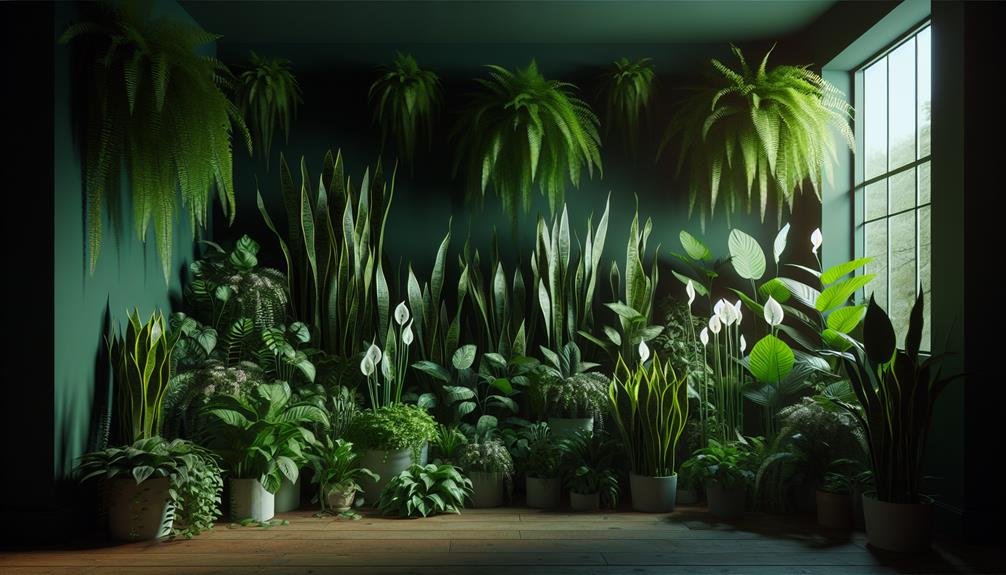
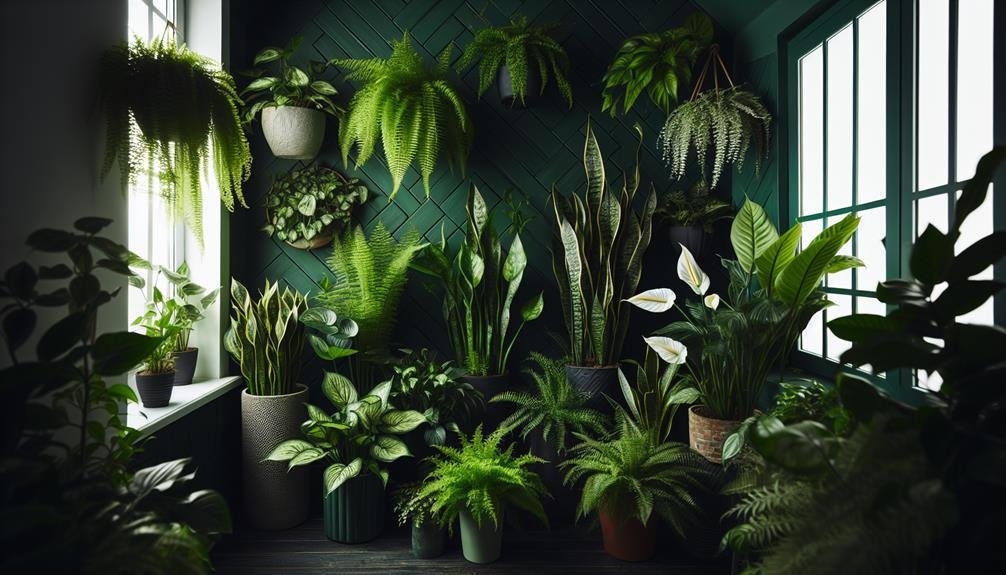
You may have noticed that the allure of indoor plants is hard to resist; they seem to bring a touch of nature effortlessly into your home.
But which plants are truly beginner-friendly and easy to care for? Imagine having lush greenery brightening up your living space without the stress of high maintenance.
Stay tuned to discover a selection of indoor plants that not only survive but thrive with minimal effort on your part.
Benefits of Indoor Plants
Enhancing indoor air quality, indoor plants provide numerous health benefits for those around them. Not only do they add a touch of nature to your living space, but they also work actively to purify the air you breathe. By absorbing carbon dioxide and releasing oxygen through photosynthesis, indoor plants can improve the overall air quality in your home. This can lead to better respiratory health for you and your family.
In addition to their air-purifying abilities, indoor plants can also help reduce stress and boost your mood. The presence of greenery indoors has been linked to lower levels of anxiety and increased feelings of calmness. Taking care of plants can be a therapeutic activity, providing a sense of purpose and accomplishment. The natural beauty of indoor plants can also enhance the aesthetic appeal of your home, creating a more welcoming and serene environment for you to enjoy.
Top Easy-Care Houseplants
If you're new to caring for indoor plants, consider starting with low-maintenance houseplants that are easy to care for. These plants are perfect for beginners and can thrive with minimal effort.
One great option is the Snake Plant, which requires very little water and can adapt to various light conditions.
Another easy-care houseplant is the Spider Plant, known for its air-purifying qualities and ability to thrive in different environments.
The Pothos plant is also a popular choice due to its resilience and ability to grow in low light.
If you prefer flowering plants, the Peace Lily is a fantastic option that blooms indoors and only needs weekly watering.

Lastly, the ZZ Plant is virtually indestructible, making it a hassle-free choice for new plant parents.
These top easy-care houseplants aren't only beautiful additions to your home but also provide a stress-free gardening experience for beginners.
Light and Water Requirements
To ensure the health and growth of your indoor plants, understanding their specific light and water requirements is essential. Different plants have varying needs when it comes to light exposure. Some plants thrive in bright, indirect light, while others require full sunlight. Make sure to place your plants accordingly to meet their light preferences.
Watering is another crucial aspect of caring for indoor plants. Overwatering can lead to root rot, while underwatering can cause wilting and stunted growth. It's important to water your plants based on their individual needs. Some plants like to dry out between waterings, while others prefer consistently moist soil.
Monitoring the soil moisture levels is key to ensuring your plants receive the right amount of water. Stick your finger into the soil about an inch deep – if it feels dry, it's time to water. Paying attention to these light and water requirements will help your indoor plants thrive and bring a touch of nature into your home.
Tips for Plant Success
For optimal plant success, prioritize consistent care and attention to detail. Start by understanding the specific light and water requirements of your indoor plants. Different plants have varying needs, so it's crucial to research and tailor your care routine accordingly.
When watering, always check the soil moisture level before adding more water. Overwatering can lead to root rot, while underwatering can cause wilting and stunted growth. Aim to maintain a regular watering schedule based on your plant's preferences.
In addition to watering, proper drainage is key to prevent waterlogging. Ensure your plant pots have drainage holes to allow excess water to escape. Consider using a well-draining potting mix to promote healthy root growth.
Regularly inspect your plants for any signs of pests or diseases. Catching issues early can prevent them from spreading and causing damage to your plants. Finally, don't forget to periodically clean your plant's leaves to remove dust and improve their ability to absorb light.
Common Plant Problems
Identifying common plant problems early is essential for maintaining the health and vitality of your indoor plants. Keep an eye out for signs of overwatering, such as yellowing leaves or moldy soil, and adjust your watering schedule accordingly. On the other hand, underwatering can lead to wilting and dryness, so make sure to water your plants when the top inch of soil feels dry. Pests like spider mites and aphids can also wreak havoc on your plants, so inspect them regularly and treat any infestations promptly with natural remedies or insecticidal soap.
Improper lighting can cause issues too; if your plant isn't getting enough light, it may become leggy or have faded leaves. Conversely, too much direct sunlight can lead to scorched leaves. Finding the right balance for your specific plant species is crucial. Additionally, be mindful of temperature fluctuations, as extreme cold or heat can harm your indoor plants. By addressing these common problems promptly, you can ensure that your indoor plants thrive and beautify your living space.
Frequently Asked Questions
Can Indoor Plants Help Improve Air Quality in My Home?
Indoor plants can indeed help improve air quality in your home. They absorb carbon dioxide and release oxygen through photosynthesis, which can help freshen up the air.
Additionally, some plants can remove harmful toxins like formaldehyde and benzene from the air, making your indoor environment healthier.
Regularly caring for these plants by watering and providing adequate sunlight can contribute to better air quality and overall well-being in your home.
What Are Some Creative Ways to Display Indoor Plants in My Living Space?
When it comes to displaying indoor plants in your living space, get creative! Consider hanging planters from the ceiling for a unique touch.
Utilize shelves to create a mini indoor garden or place plants on window sills to bring nature indoors.
Group different plants together for a lush look, and don't forget to mix in some plant stands for added height and visual interest.
Let your imagination bloom with plant display ideas!
Are There Any Specific Indoor Plants That Are Pet-Friendly and Safe for My Furry Friends?
Looking for pet-friendly indoor plants?
Peace lilies, spider plants, and Boston ferns are great choices. These plants are safe for your furry friends and add a touch of green to your space.
Remember to keep any toxic plants out of your pet's reach to ensure a safe environment.
Enjoy the benefits of having plants indoors without worrying about your pets' well-being.
How Often Should I Be Repotting My Indoor Plants?
You should consider repotting your indoor plants when they outgrow their current containers. Signs like roots peeking out or water draining too quickly indicate it's time.
Typically, you may need to repot every 1-2 years, but some plants may require more frequent attention. Remember to choose a slightly larger pot, use fresh soil, and handle the roots gently during the repotting process to ensure your plants continue to thrive.
Are There Any Natural Pest Control Methods I Can Use to Protect My Indoor Plants From Insects?
When it comes to protecting your indoor plants from insects, there are several natural pest control methods you can try.
One effective way is to introduce beneficial insects like ladybugs or lacewings that prey on pests. Additionally, you can use neem oil or insecticidal soap to deter unwanted bugs.
Another option is to create a garlic or chili pepper spray to keep pests at bay.
Experiment with these methods to find what works best for you.
Conclusion
In conclusion, growing indoor plants doesn't have to be difficult. With the right selection of beginner-friendly houseplants and some basic care tips, you can enjoy the benefits of greenery in your home with ease.
Remember to provide your plants with the proper amount of light and water, and be attentive to any potential issues that may arise.
Happy growing!