Are you tired of feeling like you need a green thumb to keep indoor plants alive? Don't worry; you're not alone. Many beginners face the same challenges when starting their indoor plant journey.
But fear not, as we have compiled a list of the most frequently asked questions about beginner-friendly indoor plants to help you navigate through the world of plant care. From light requirements to troubleshooting common problems, we've got you covered.
Understanding Light Requirements
To ensure your indoor plants thrive, match their specific light needs to the available sunlight in your space. Different plants have varying requirements when it comes to light exposure. Understanding these needs is crucial for the health and growth of your indoor garden.
Begin by observing the natural light in your home. Are certain areas brighter than others? South-facing windows typically receive the most sunlight, making them ideal for light-loving plants like succulents and cacti. East-facing windows offer gentle morning light, suitable for plants that prefer indirect sunlight. Meanwhile, west-facing windows provide strong afternoon light that may be too intense for some delicate plants.
Take note of how many hours of sunlight each area receives daily. Plants labeled as needing 'direct sunlight' typically require at least six hours of direct sunlight each day. Those labeled as 'low light' can thrive with minimal natural light. By understanding your indoor space's lighting conditions, you can select the perfect spot for each plant to flourish.
Watering Tips for Indoor Plants
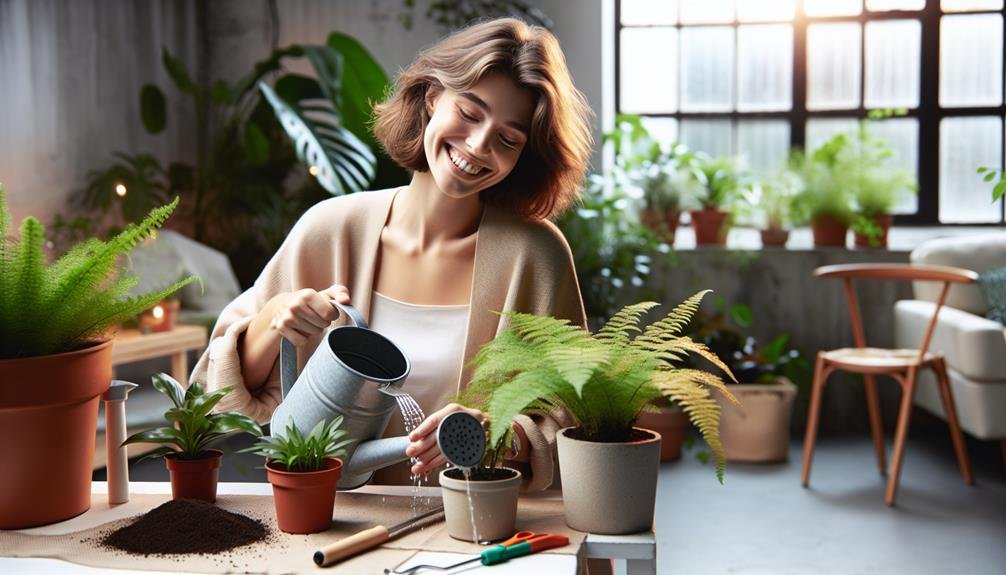
Match your indoor plants' watering schedule to their specific needs to ensure they stay healthy and vibrant. Overwatering can lead to root rot, while underwatering can cause wilting and stunted growth. The key is to strike a balance by understanding each plant's requirements. Start by checking the soil moisture level before watering. Stick your finger about an inch deep into the soil – if it feels dry, it's time to water.
Different plants have different watering needs. Tropical plants like ferns and palms prefer consistently moist soil, while succulents and cacti thrive in drier conditions. Consider factors like humidity levels, pot size, and drainage holes when determining how much and how often to water your plants.
It's crucial not to rely solely on a strict watering schedule; instead, let the plant guide you. Monitor its condition and adjust watering accordingly. Remember, it's better to underwater slightly and gradually increase than to overwater and risk harming your plant.
Choosing the Right Plant Species
Consider your home's lighting conditions and available space when selecting the right plant species for your indoor garden. Different plants have varying light requirements, so it's crucial to match them with the light levels in your home.
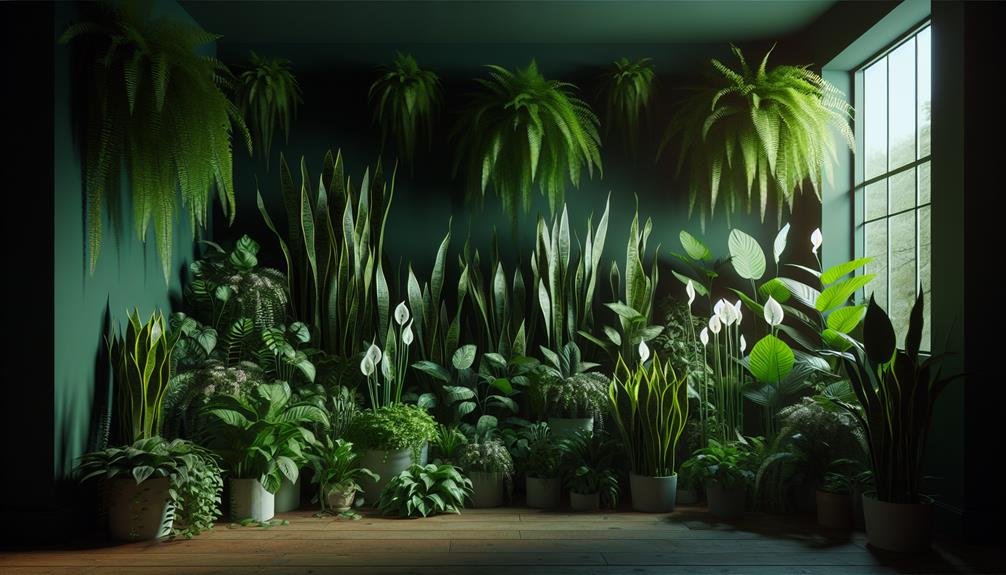
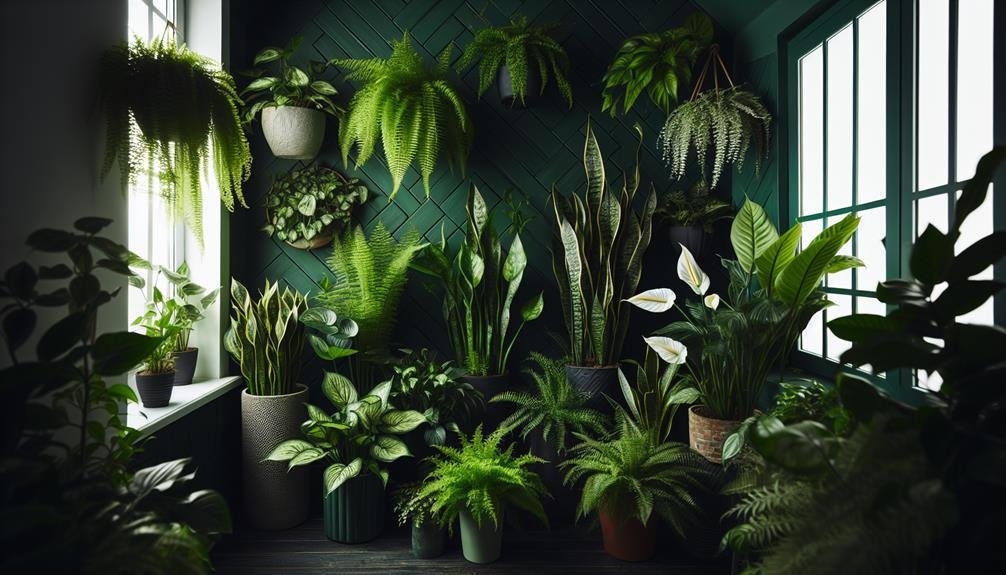
For low-light areas, consider plants like pothos, snake plants, or peace lilies that thrive in such conditions. If you have bright, indirect light, options such as spider plants, African violets, or philodendrons can be great choices.

Make sure to also assess the space available for the plant to grow. Some plants like ferns or palms may need more room to spread out, while smaller plants like succulents or air plants can fit in tight spaces.
Keep in mind your own schedule and lifestyle when choosing a plant species. If you travel frequently or have a busy routine, opting for low-maintenance plants like cacti or ZZ plants might be more suitable for you.
Troubleshooting Common Plant Problems
When facing common plant problems, identify the issue promptly to take appropriate corrective action.
One common issue is overwatering, which can lead to root rot. If you notice wilting, yellowing leaves, or moldy soil, reduce watering frequency.
On the other hand, underwatering can cause drooping leaves or dry soil. Increase watering slightly and ensure proper drainage.
Another problem could be inadequate light, resulting in leggy growth or yellow leaves. Move your plant to a brighter spot, avoiding direct sunlight if it's a low-light species.
Pests like spider mites or aphids can also infest indoor plants. Wipe leaves with a damp cloth or use insecticidal soap to eliminate them.
Lastly, temperature fluctuations or drafts can harm your plant. Keep it away from vents or windows during extreme weather conditions.
Indoor Plant Care Tips
To ensure the well-being of your indoor plants, implementing proper care tips is essential for their growth and longevity. Start by understanding each plant's specific needs regarding sunlight, water, and humidity. Research the requirements of your plant species to provide the right environment.
Overwatering is a common issue that can lead to root rot, so always check the soil moisture levels before watering. Ensure proper drainage by using pots with holes at the bottom. Dust the leaves regularly to allow the plant to breathe and absorb sunlight effectively.
Rotate your plants occasionally to promote even growth on all sides. Fertilize your plants during the growing season to provide essential nutrients for healthy development. Keep an eye out for pests and diseases, and address them promptly to prevent damage.
Frequently Asked Questions
How Can I Prevent My Indoor Plants From Attracting Pests Like Fungus Gnats or Spider Mites?
To prevent pests like fungus gnats or spider mites from bothering your indoor plants, focus on proper plant care. Overwatering can attract gnats, so let the soil dry out between waterings.
Wipe down leaves regularly to deter mites. Consider using natural remedies like neem oil or insecticidal soap if needed.
Also, isolate any new plants before introducing them to your collection to avoid spreading pests.
Are There Any Specific Indoor Plants That Are Safe for Pets to Be Around?
When choosing indoor plants safe for pets, consider options like spider plants, Boston ferns, or parlor palms. These plants are non-toxic to cats and dogs, making them a pet-friendly choice for your home.
Remember to still keep an eye on your furry friends around plants and monitor for any signs of nibbling.
Creating a safe environment where your pets can coexist with your greenery is key to a harmonious indoor space.
How Often Should I Repot My Indoor Plants to Ensure They Continue to Thrive?
When caring for indoor plants, repotting is key to their well-being. To ensure your plants thrive, aim to repot every 1-2 years, or when you notice roots growing out of the drainage holes.
Repotting helps refresh the soil, provides more space for roots to grow, and prevents root-bound conditions. Remember, healthy roots lead to healthy plants.
Can Indoor Plants Help Improve Air Quality in My Home, and if So, Which Plants Are Best for This Purpose?
Indoor plants can indeed help improve air quality in your home by reducing pollutants and increasing oxygen levels. Some top choices for this purpose are spider plants, pothos, peace lilies, and rubber plants.
These plants are known for their air-purifying qualities and are relatively easy to care for, making them great options for beginners. By incorporating these plants into your indoor space, you can enjoy fresher, cleaner air while adding a touch of greenery to your home.
Are There Any Indoor Plants That Are Particularly Low Maintenance for Beginners With Busy Schedules?
Looking for low-maintenance indoor plants to fit your busy schedule? You'll love options like snake plants, pothos, and spider plants.
These green buddies are tough cookies, needing minimal care and attention. They can handle sporadic watering and survive in various light conditions. Perfect for beginners who want a touch of nature without the fuss.
Just give them a bit of love when you can, and they'll thrive happily in your home.
Conclusion
Now that you have the basics down, don't be afraid to experiment with different indoor plants and see what works best for you.
Remember to pay attention to light requirements, watering schedules, and any signs of trouble in your plants.
With a little bit of care and attention, you'll be able to enjoy the beauty and benefits of indoor plants in your home.
Happy planting!