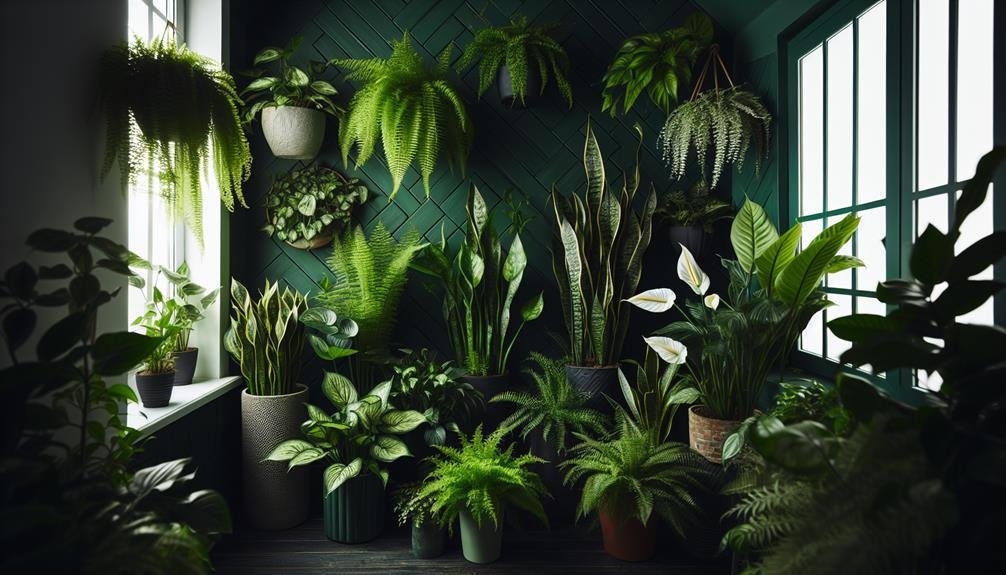
You know, it's almost comical how some people make propagating houseplants seem like an impossible task. But fear not, because with a few simple steps, you can be on your way to becoming a successful plant parent in no time.
Imagine the satisfaction of watching your plant collection grow effortlessly and sharing your green thumb skills with others. It all starts with understanding the basics, and we're here to guide you through each step of the process.
Choosing the Right Plant
When selecting a houseplant, consider your space and lighting conditions for optimal growth. If you have limited space, look for plants that stay small or can be easily pruned. Succulents like aloe vera or jade plants are great for small spaces and require minimal maintenance.
For areas with bright, indirect light, consider plants like spider plants or peace lilies. These plants thrive in such conditions and are relatively low maintenance.
If your space has low light levels, don't worry! There are still options for you. Plants like pothos or snake plants can tolerate low light and are perfect for brightening up darker corners of your home. Remember, matching the plant to the light conditions in your space is crucial for its growth and overall health.
Gathering Supplies
To gather supplies for propagating houseplants successfully, ensure you have the necessary tools and materials ready for the next steps in the process. The primary items you'll need include:
- Sharp scissors or pruning shears for taking cuttings
- A clean container with drainage holes for planting the cuttings
- A suitable potting mix or rooting hormone to encourage root growth
- A spray bottle for misting the cuttings to maintain humidity
Additionally, having a clear plastic bag or a propagation dome can create a mini greenhouse effect and promote successful propagation.
Make sure your tools are clean and sharp to prevent damage to the plant and improve the chances of successful rooting. It's also helpful to have a work surface that can be easily cleaned after the propagation process.
Preparing the Cuttings
Properly preparing the cuttings is crucial for successful propagation of houseplants. To start, select a healthy parent plant with no signs of disease or pests. Using clean, sharp scissors or pruning shears, take cuttings that are 4-6 inches long, making sure each cutting has at least two nodes where leaves emerge. Nodes are essential for root development. Remove any leaves from the lower part of the cutting to prevent rotting and focus the plant's energy on root growth.
After taking the cuttings, it's time to prepare them for propagation. Dip the cut end of each cutting into a rooting hormone powder to encourage root development. While optional, this step can significantly increase the success rate of propagation. Allow the hormone to adhere to the cutting before gently tapping off any excess.

Once the cuttings are prepared, they're ready for the next step in the propagation process. By ensuring proper preparation of your cuttings, you set the foundation for healthy root growth and successful propagation of your houseplants.
Propagation Methods
Exploring various propagation methods can help you expand your houseplant collection with ease. One common method is water propagation, where you place the cuttings in water until roots develop. This works well for plants like pothos and philodendron.
Another method is soil propagation, where you insert the cuttings directly into potting soil. This is suitable for plants like snake plants and spider plants.
Air layering is another effective technique for plants with harder stems, such as rubber plants. Grafting involves joining a cutting from one plant onto another plant to create a new hybrid.
Division is ideal for plants like aloe vera, where you separate offsets or pups from the main plant. Each method has its advantages, so feel free to experiment and see which works best for your plants.
Remember to provide proper care and attention during the propagation process to ensure the success of your new plant babies.
Caring for New Plants
Caring for your new plants involves providing them with the right amount of light, water, and nutrients to help them thrive. Start by placing your plants in locations that match their light requirements; some prefer bright, indirect light, while others thrive in low-light conditions. Regularly check the soil moisture by inserting your finger into the soil; water when the top inch feels dry. Remember, overwatering can lead to root rot, so it's crucial to let the soil dry out between waterings.
When it comes to nutrients, consider using a balanced fertilizer to provide your plants with essential minerals for growth. Follow the instructions on the fertilizer package, as over-fertilizing can harm your plants. Additionally, dust off your plant's leaves regularly to ensure they can photosynthesize efficiently. Keep an eye out for any pests or diseases, and address them promptly to prevent them from spreading. By following these care tips, your new plants will flourish and bring greenery into your space.
Frequently Asked Questions
How Long Does It Typically Take for Houseplant Cuttings to Root and Start Growing?
Typically, it takes around 2-6 weeks for houseplant cuttings to root and start growing. During this time, ensure the cuttings are kept in a warm, humid environment with indirect light.
Mist them occasionally to maintain moisture levels. Once roots have developed, you'll notice new growth sprouting from the cutting. Be patient and consistent in caring for your cuttings, and you'll soon see successful propagation results.
Is It Possible to Propagate Houseplants Using Water Instead of Soil?
Yes, you can propagate houseplants using water instead of soil.
It's a simple method where you place the cuttings in water until roots develop. This process works for many types of plants and is a popular choice due to its ease and visibility of root growth.
Remember to change the water regularly to prevent rot and ensure your new plant babies have a healthy start.
What Are Some Common Mistakes to Avoid When Propagating Houseplants?
When propagating houseplants, it's important to avoid overwatering, as it can lead to root rot. Ensure your cuttings have enough light but not too much direct sunlight to prevent scorching.
Don't forget to regularly check for pests and diseases that could harm your new plants. Lastly, be patient and give your cuttings time to grow roots before transferring them to soil.
Following these tips will increase your chances of successful propagation.
Can You Propagate Houseplants During the Winter Months?
Yes, you can propagate houseplants during the winter months. Some houseplants may grow slower in winter due to lower light levels and temperatures, but propagation is still possible.
Consider using methods like water propagation or using a grow light to provide the necessary conditions for successful propagation.
With a bit of care and attention, you can continue to propagate your houseplants even in the winter season.
Are There Any Specific Houseplants That Are Easier or More Difficult to Propagate for Beginners?
When propagating houseplants, some species are generally easier for beginners than others. Plants like pothos, spider plants, and snake plants are usually more forgiving and simpler to propagate, making them great choices for novices.
On the other hand, plants with more delicate or specific requirements, such as fiddle leaf figs or orchids, can be trickier for beginners to successfully propagate.
Start with the easier plants to build your confidence before moving on to more challenging ones.
Conclusion
Congratulations on successfully propagating your houseplants!
With the right plant, supplies, and methods, you have created new plants to enjoy and share with others.
Remember to continue caring for your new plants by providing them with the proper light, water, and nutrients they need to thrive.
Keep up the great work and enjoy watching your propagated plants grow and flourish in your home!