Imagine your garden as a resilient oasis, where plants flourish despite the harsh sun and scarce rain, standing tall like nature's own superheroes.
Curious about which green champions can thrive in your home without constant watering? You might be surprised at the variety of stunning and low-maintenance options available.
Let's uncover the secrets of selecting the best drought-tolerant plants for your space, from vibrant succulents to hardy flowers, and reveal how they can transform your surroundings with minimal effort on your part.
Benefits of Drought-Tolerant Plants
If you live in a hot and dry climate, you'll appreciate the benefits of drought-tolerant plants. These hardy plants are designed to thrive in conditions where water may be scarce, making them ideal for regions with limited rainfall or where water conservation is essential. One of the key advantages of incorporating drought-tolerant plants into your landscape is their ability to reduce water usage significantly. By requiring less water to flourish, these plants can help you save on your water bills and contribute to environmental conservation efforts.
In addition to their water-saving benefits, drought-tolerant plants are often low-maintenance, requiring minimal care once established. This can save you time and effort in tending to your garden, allowing you to enjoy a beautiful landscape without the need for constant upkeep. Furthermore, these plants come in a variety of shapes, sizes, and colors, offering endless possibilities for creating visually stunning outdoor spaces that reflect your unique style and preferences. By choosing drought-tolerant plants, you can enhance the beauty of your surroundings while promoting sustainability and water efficiency.
Top Drought-Tolerant Succulents
When considering drought-tolerant plants for your landscape, one type that stands out for its resilience and striking appearance is the top drought-tolerant succulents. Succulents are known for their ability to store water in their fleshy leaves, making them excellent choices for dry climates or if you tend to forget to water your plants.
Some popular drought-tolerant succulents include the iconic Sempervivum, also known as hens and chicks, with its rosette-shaped clusters and variety of colors. Another favorite is the Echeveria, which forms beautiful rosettes and comes in a wide range of shapes and hues. For a more architectural look, you might consider the Agave plant, known for its striking and often spiky appearance.
These succulents not only survive with minimal water but also add a unique aesthetic to your garden or home. With their low maintenance requirements and stunning features, drought-tolerant succulents are a fantastic choice for any plant lover.
How to Care for Cacti
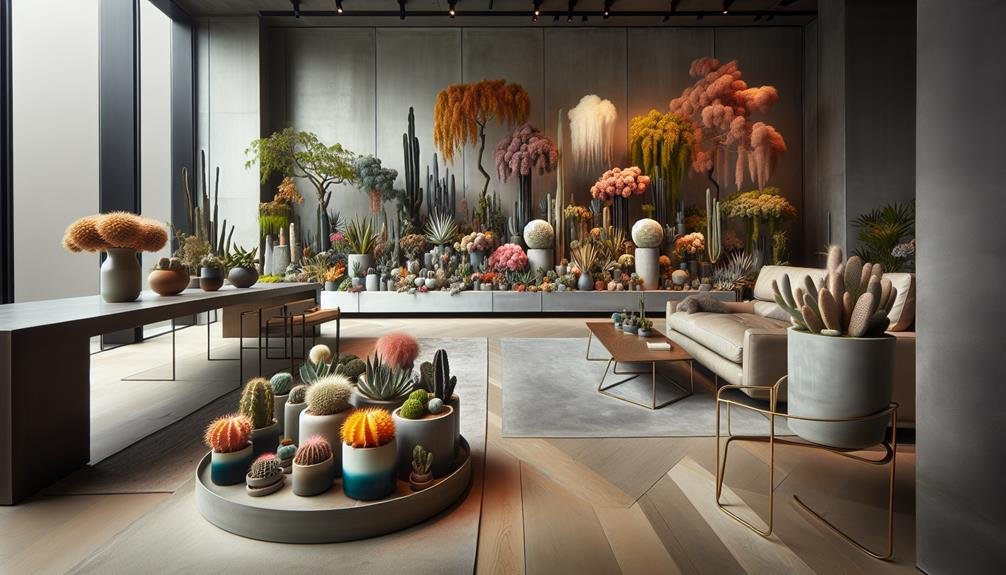
To care for cacti effectively, ensure they receive sufficient sunlight and well-draining soil. Cacti thrive in bright light, so place them in a sunny spot like a south-facing window. Rotate them occasionally to promote even growth.
When watering cacti, allow the soil to dry out completely between watering sessions. Overwatering can lead to root rot and other issues, so it's crucial to err on the side of underwatering. Use a well-draining potting mix designed for cacti and succulents to prevent waterlogging.

During the growing season, typically spring and summer, feed your cacti with a balanced fertilizer diluted to half strength. In the winter, reduce watering frequency as cacti enter a period of dormancy. Keep an eye out for any signs of pests, such as mealybugs or spider mites, and address them promptly.
Best Drought-Resistant Flowers
To explore beautiful options for drought-resistant flowers, consider adding vibrant blooms that can thrive with minimal water to your home garden.
When choosing flowers that can withstand dry conditions, opt for varieties like Blanket Flowers, Lavender, and Mexican Feather Grass. Blanket Flowers, with their striking red and yellow petals, aren't only drought-tolerant but also attract pollinators to your garden.
Lavender, known for its aromatic scent and purple spikes of flowers, is a hardy plant that requires little water once established. Mexican Feather Grass adds a delicate touch with its wispy green blades that sway gracefully in the wind.
Additionally, consider planting succulents like Hens and Chicks or Ice Plants for unique textures and colors in your garden. These plants store water in their leaves, making them excellent choices for low-water landscapes.
Indoor Vs. Outdoor Drought-Tolerant Plants
Consider the optimal conditions for both indoor and outdoor drought-tolerant plants to ensure their successful growth in various environments.
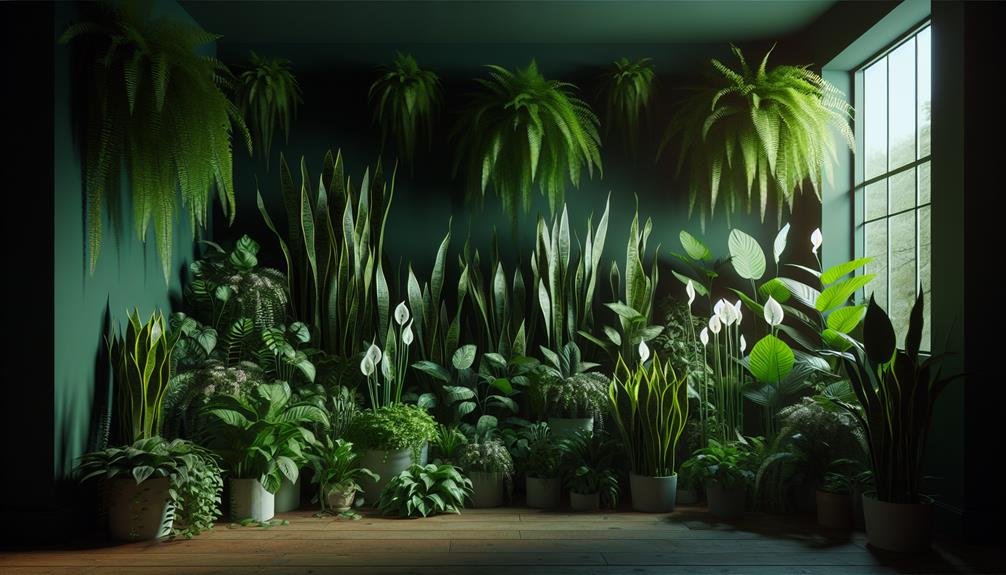
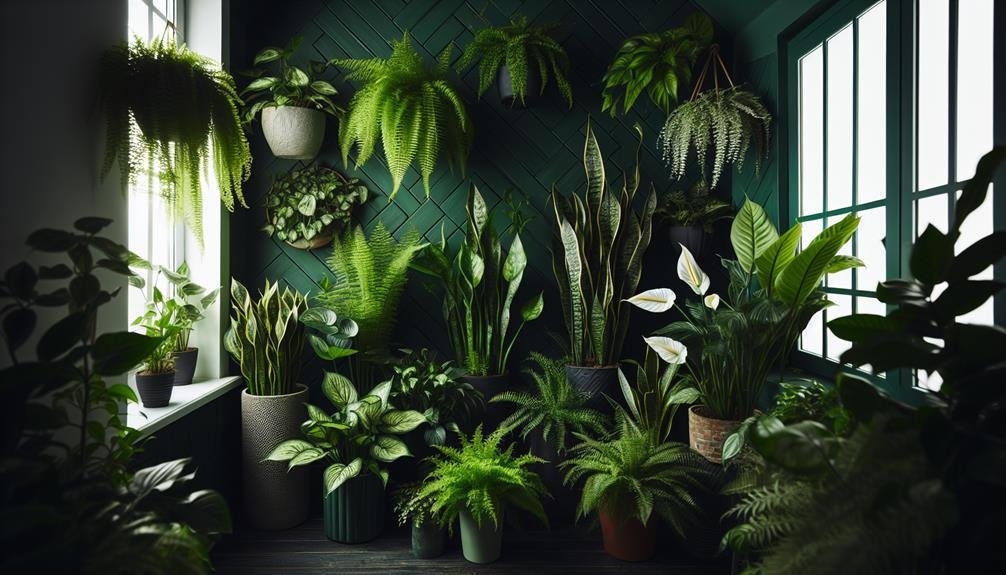
When choosing indoor drought-tolerant plants, opt for species like the Zanzibar Gem, Snake Plant, or Aloe Vera, as they thrive in low-light conditions and require minimal watering. These plants are perfect for spaces with limited sunlight or for those who may forget to water them regularly.
On the other hand, outdoor drought-tolerant plants such as Lavender, Sage, or Succulents are ideal for gardens or landscapes exposed to direct sunlight and heat. These plants have adapted to survive in arid conditions and can withstand periods of drought without withering.
Frequently Asked Questions
Are There Any Drought-Tolerant Plants That Can Thrive in Areas With High Humidity?
In areas with high humidity, some drought-tolerant plants can still thrive. While excessive moisture might seem counterintuitive, certain plants like yuccas, lavender, and ornamental grasses can adapt well to these conditions.
It's important to choose varieties that can handle both dry spells and moisture. Consider incorporating these resilient plants into your home garden for a beautiful and low-maintenance landscape that can withstand varying environmental factors.
Can Drought-Tolerant Plants Attract Pests or Insects?
Drought-tolerant plants can sometimes attract pests or insects due to their hardiness and ability to survive in challenging conditions. These plants may draw in pests seeking shelter, moisture, or food.
Regularly inspecting your plants for any signs of pest infestation and taking preventive measures, such as using natural repellents or maintaining plant health, can help keep these unwanted visitors at bay and ensure your drought-tolerant plants thrive.
Do Drought-Tolerant Plants Require Special Soil or Fertilizers?
Drought-tolerant plants typically don't need special soil or fertilizers. They can thrive in various soil types but prefer well-draining soil to prevent waterlogging.
Using a balanced fertilizer sparingly during the growing season can help, but avoid overfeeding as these plants are adapted to low-nutrient environments. Opt for a slow-release fertilizer or organic options to support their growth without overwhelming them.
Keep an eye on their needs and adjust accordingly for healthy, vibrant plants.
Are There Any Drought-Tolerant Plants That Are Safe for Pets to Be Around?
When choosing drought-tolerant plants safe for pets, consider options like spider plants, African violets, or bamboo palms.
These plants not only withstand dry conditions but are also non-toxic to your furry companions.
Keep your pets safe and your home green with these pet-friendly choices.
How Can I Protect My Drought-Tolerant Plants During Extreme Weather Conditions, Such as Heatwaves or Heavy Rainfall?
To protect your drought-tolerant plants during extreme weather like heatwaves or heavy rainfall, you can take several measures. Provide adequate mulch to retain moisture, water deeply but infrequently to encourage deep root growth, and consider using shade cloth or plant covers during intense heat.
Monitor your plants closely for signs of stress and adjust care as needed. With proper attention, your drought-tolerant plants can thrive even in challenging conditions.
Conclusion
So, if you're looking to add some greenery to your home without the hassle of constant watering, drought-tolerant plants are the way to go.
With their ability to thrive in low-water conditions, they not only make your space look beautiful but also require minimal maintenance.
From succulents to cacti to flowers, there are plenty of options to choose from to create a vibrant and sustainable indoor or outdoor garden.
Happy planting!