Coincidentally, did you know that the plants in your home could be silently working to purify the air you breathe every day? Indoor and outdoor plants both play a significant role in improving air quality, but have you ever wondered which ones are the best for this purpose?
Understanding the unique benefits and features of houseplants can help you make informed decisions about which ones to include in your living space.
So, which plants should you consider for optimal air purification – indoor or outdoor?
Top Indoor Air Purifying Houseplants
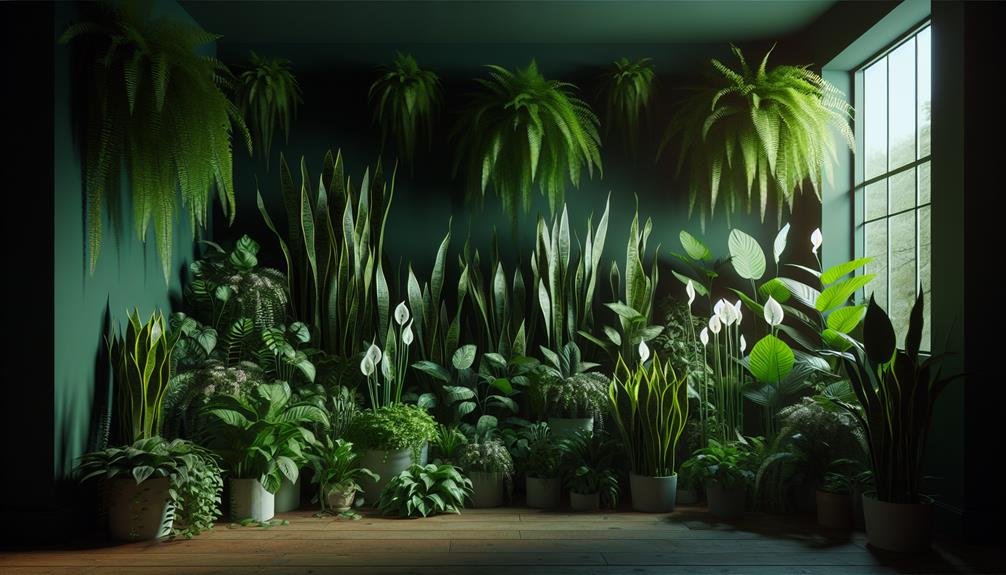
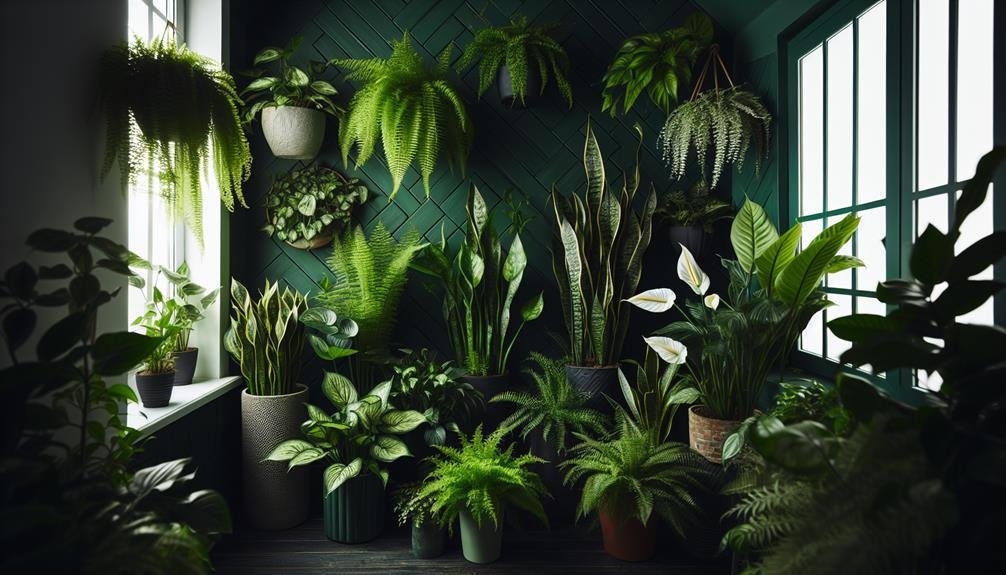
When choosing houseplants for air purification, opt for varieties such as spider plants and peace lilies. Spider plants are excellent at removing toxins like formaldehyde and xylene from the air, making them a great choice for improving indoor air quality. These plants are easy to care for and can thrive in various lighting conditions, making them perfect for beginners.
Peace lilies are another fantastic option known for their ability to filter out harmful substances like ammonia and benzene. They also add a touch of elegance to any room with their beautiful white blooms.
In addition to spider plants and peace lilies, consider adding aloe vera and snake plants to your indoor garden. Aloe vera not only purifies the air by removing formaldehyde but also has healing properties for minor burns and skin irritations. Snake plants are resilient and can survive with minimal light and water while effectively filtering out toxins like trichloroethylene and benzene.
Incorporating these houseplants into your home can significantly enhance the air quality and create a healthier environment for you and your family.
Benefits of Outdoor Air Purifying Plants
Outdoor air purifying plants offer a natural and effective way to improve the air quality around your home and create a healthier environment for you and your loved ones. These plants work tirelessly to filter out pollutants, such as benzene and formaldehyde, from the air, reducing the impact of these harmful substances on your health. By strategically placing outdoor air purifying plants in your garden or near entryways, you can significantly enhance the freshness of the air you breathe daily.
In addition to their air-cleansing properties, outdoor air purifying plants also contribute to the overall aesthetic appeal of your outdoor space. They come in a variety of shapes, sizes, and colors, adding beauty and charm to your garden or patio. Furthermore, these plants require minimal maintenance, making them a hassle-free yet beneficial addition to your outdoor environment.
Easy-to-Care Indoor Air Purifiers
To maintain clean air indoors effortlessly, consider incorporating low-maintenance indoor air purifiers that not only freshen the air but also add a touch of greenery to your living spaces.

Peace lilies are a fantastic option for busy individuals as they thrive in low light and are excellent at removing common indoor pollutants like formaldehyde and benzene. Spider plants are another easy-to-care-for choice that helps in combating carbon monoxide and xylene.
If you tend to forget watering schedules, the resilient snake plant is perfect for you, as it can survive with minimal attention and light. Aloe vera not only purifies the air but also has healing properties for minor burns and cuts.
The vibrant pothos vine is a great addition to your indoor garden, requiring little maintenance while effectively removing toxins like xylene and benzene. By incorporating these effortless indoor air purifiers, you can enjoy cleaner and fresher air without the hassle of high maintenance plants.
Outdoor Plants for Improved Air Quality
Consider incorporating a variety of plants in your outdoor spaces to enhance air quality and create a healthier environment for yourself and your loved ones. Outdoor plants play a crucial role in purifying the air by absorbing pollutants and releasing oxygen. Trees like birch, pine, and oak are excellent choices for improving air quality as they can filter out harmful substances such as carbon dioxide and particulate matter.
Additionally, shrubs like lavender, rosemary, and jasmine not only add beauty to your outdoor area but also help in air purification by releasing fragrances that can reduce stress and anxiety. These plants also attract beneficial insects that aid in pollination and contribute to a balanced ecosystem.
Moreover, consider planting flowers such as marigolds, petunias, and geraniums, which not only brighten up your outdoor space but also act as natural air purifiers by absorbing toxins like formaldehyde and benzene. By strategically selecting and placing these outdoor plants, you can significantly enhance the air quality around your home and enjoy the benefits of a cleaner and fresher environment.
Unique Indoor Vs Outdoor Plant Features
Comparing the distinctive features of indoor and outdoor plants can offer insights into their unique characteristics and benefits. Indoor plants are typically chosen for their ability to thrive in low-light conditions, making them ideal for spaces with limited sunlight. They also tend to be smaller in size, making them perfect for decorating indoor environments without taking up too much space. Additionally, indoor plants are often chosen for their air-purifying qualities, helping to remove toxins and improve air quality within enclosed spaces.
On the other hand, outdoor plants are known for their resilience to varying weather conditions and seasonal changes. They've the advantage of natural sunlight, allowing them to photosynthesize more efficiently and grow vigorously. Outdoor plants also contribute to the overall ecosystem by attracting beneficial insects, birds, and other wildlife. Their larger size and varied foliage make them a popular choice for landscaping and adding greenery to outdoor spaces. Ultimately, both indoor and outdoor plants offer unique features that cater to different preferences and environments.
Frequently Asked Questions
Can Indoor Air Purifying Plants Also Thrive in Outdoor Environments?
Indoor air purifying plants can adapt well to outdoor environments, but they may need some adjustments. Factors like sunlight exposure, temperature variations, and soil conditions play a role.
Keep an eye on the plant's health and make changes as needed. With proper care, many indoor air purifying plants can thrive outdoors, enhancing air quality while adding greenery to your outdoor space.
Just remember to monitor and accommodate their needs for optimal growth.
Are There Any Specific Houseplants That Are Not Recommended for Homes With Pets?
When it comes to houseplants not recommended for homes with pets, it's crucial to be cautious. Some common plants like lilies, aloe vera, and certain ferns can be toxic to your furry friends if ingested.
Keep your pets safe by opting for pet-friendly plants such as spider plants, Boston ferns, or African violets. Always double-check plant toxicity before bringing them into your home to ensure a safe environment for your pets.
How Often Should I Water My Outdoor Air Purifying Plants Compared to Indoor Ones?
When it comes to watering your plants, you should consider the specific needs of each one.
Outdoor air-purifying plants generally require more frequent watering compared to indoor ones. Outdoor plants are exposed to more sunlight and wind, which can dry out the soil faster.
Make sure to check the soil moisture regularly and adjust your watering schedule accordingly to keep your plants healthy and thriving.
Are There Any Air Purifying Plants That Are Safe for Individuals With Allergies?
When dealing with allergies, consider air purifying plants like aloe vera, spider plant, or snake plant. These plants can help clean the air in your home while being less likely to trigger allergic reactions.
Place them strategically in well-ventilated areas to enjoy their benefits without aggravating your allergies. Remember to still monitor your symptoms and consult with a healthcare professional for personalized advice on managing allergies indoors.
Can I Use a Combination of Indoor and Outdoor Air Purifying Plants to Maximize Air Quality in My Home?
You can definitely enhance your home's air quality by combining indoor and outdoor air-purifying plants.
Indoor plants like peace lilies and spider plants are great for filtering toxins inside, while outdoor plants like gerbera daisies and aloe vera can further improve air circulation.
Conclusion
Overall, incorporating both indoor and outdoor air purifying plants into your living space can greatly improve air quality and create a healthier environment for you and your family.
Indoor plants like snake plants and peace lilies are easy to care for and can effectively remove toxins from the air.
Outdoor plants like lavender and geraniums not only beautify your garden but also help to filter out pollutants.
Consider adding a mix of both indoor and outdoor plants for maximum air purification benefits.