When it comes to starting your journey with houseplants, the options seem endless, but fear not, for we have narrowed down the choices to simplify your decision-making process. Whether you envision lush greenery adorning your living space or dream of a vibrant outdoor garden oasis, the perfect plant awaits.
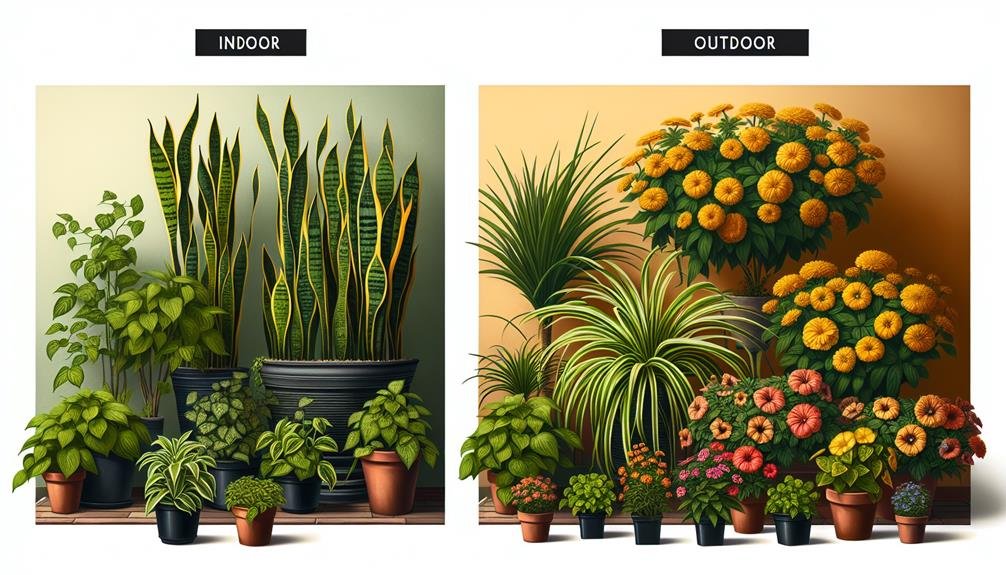
With benefits unique to both indoor and outdoor varieties, understanding the differences will set you on the path to flourishing greenery in your home.
Benefits of Indoor Houseplants
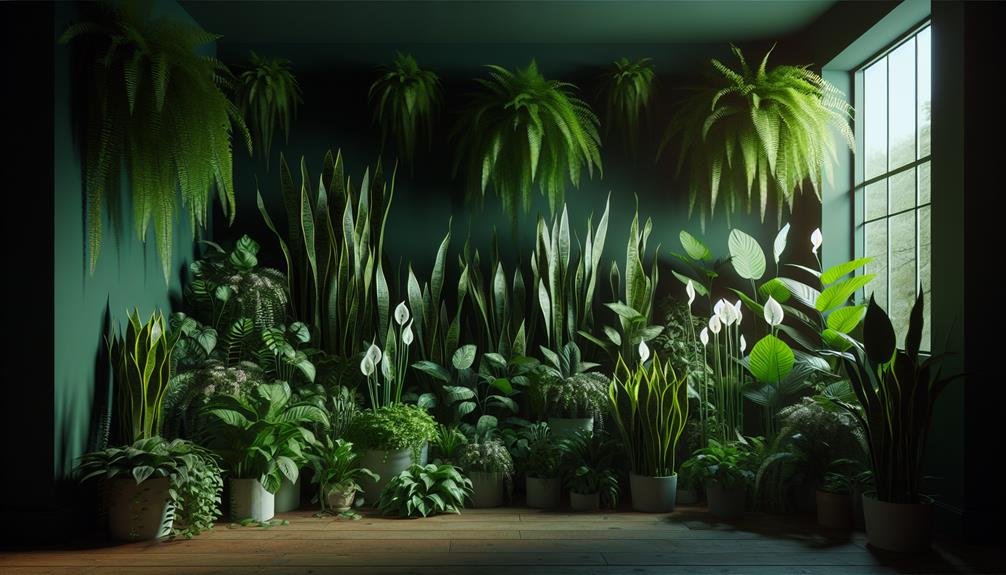
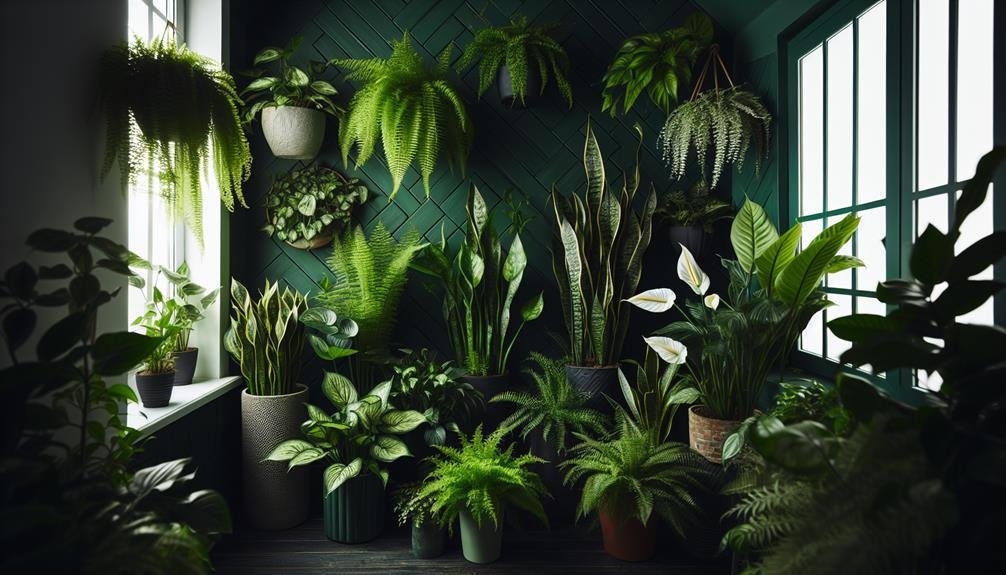
Indoor houseplants not only add beauty to your living space but also improve air quality by absorbing pollutants. Having these green companions in your home can boost your mood and reduce stress levels. The presence of houseplants has been linked to increased productivity and focus, making them a great addition to your work-from-home setup.
In addition to their air-purifying qualities, indoor plants can also help regulate humidity levels, creating a more comfortable environment for you. They act as natural humidifiers, releasing moisture into the air through a process called transpiration. This can be especially beneficial during the drier months or if you live in a region with low humidity.
Furthermore, caring for indoor houseplants can be a rewarding experience that allows you to connect with nature on a daily basis. It provides a sense of accomplishment as you watch your plants thrive and grow under your care. So, whether you're a seasoned plant parent or just starting out, the benefits of indoor houseplants are undeniable.
Top Indoor Houseplants for Beginners
Consider starting your indoor plant journey with these beginner-friendly options.
One excellent choice is the Spider Plant (Chlorophytum comosum), known for its air-purifying qualities and easy care. This plant thrives in medium to bright indirect light and only requires occasional watering.
Another great option is the Snake Plant (Sansevieria trifasciata), a hardy plant that can survive low light conditions and infrequent watering. The Snake Plant is also praised for its air-purifying abilities.
If you're looking for a pop of color, the Peace Lily (Spathiphyllum) is a beautiful choice. This plant has elegant white flowers and can thrive in low light environments, making it perfect for beginners.
Lastly, the Pothos (Epipremnum aureum) is a versatile plant that can adapt to various light conditions and only needs watering when the soil is dry.

These indoor houseplants aren't only easy to care for but also bring a touch of nature into your living space.
Advantages of Outdoor Houseplants
Adding outdoor houseplants to your garden can bring a vibrant touch of nature to your outdoor living space. One of the key advantages of outdoor houseplants is their ability to thrive in natural sunlight, allowing them to grow vigorously and maintain their health.
Outdoor plants also help improve air quality by absorbing carbon dioxide and releasing oxygen during photosynthesis, creating a fresher environment for you to enjoy. These plants can attract beneficial insects like bees and butterflies, contributing to a more biodiverse and ecologically balanced garden.
Furthermore, outdoor houseplants can enhance the aesthetic appeal of your outdoor area, adding color, texture, and visual interest to your garden landscape. They provide a sense of tranquility and relaxation, creating a peaceful sanctuary where you can unwind and connect with nature.
Best Outdoor Houseplants for Beginners
When selecting outdoor houseplants as a beginner, focus on low-maintenance varieties that can thrive in natural sunlight. Consider starting with hardy options like succulents, such as Aloe Vera or Jade plants, which require minimal watering and can withstand bright, direct sunlight. These plants are forgiving if you forget to water them occasionally and are perfect for beginners.
Another excellent choice is the Spider Plant, known for its air-purifying qualities and ability to thrive in various light conditions, making it ideal for outdoor spaces.
If you prefer flowering plants, Marigolds are a great option for beginners due to their vibrant blooms and ability to thrive in full sunlight. They require little maintenance and can add a pop of color to your outdoor garden.
Lastly, the Peace Lily is a fantastic outdoor plant choice, as it can tolerate shade but also thrives in indirect sunlight. These plants are easy to care for and can enhance the beauty of your outdoor living areas.
Tips for Caring for Beginner Houseplants
For beginner houseplants, prioritize consistent watering and adequate sunlight to ensure healthy growth and vibrant foliage. Water your plants when the top inch of the soil feels dry to the touch, but be cautious not to overwater as this can lead to root rot. Drainage is key, so make sure your pots have drainage holes to prevent waterlogging.
When it comes to sunlight, most indoor plants thrive in bright, indirect light, while some may require direct sunlight for a few hours a day. Rotate your plants occasionally to promote even growth on all sides. Dust your plant's leaves gently to keep them clean and allow for better light absorption. Regularly check for pests like spider mites or aphids, and address any issues promptly.
Frequently Asked Questions
Can Indoor Houseplants Be Harmful to Pets if Ingested?
Indoor houseplants can indeed be harmful to pets if ingested. Many common indoor plants are toxic to animals and can cause symptoms ranging from mild irritation to severe poisoning.
It's crucial to research the toxicity of your houseplants and keep them out of reach of your pets. If you suspect your pet has ingested a plant and is showing symptoms of illness, contact your veterinarian immediately for guidance and assistance.
Are There Any Houseplants That Are Low Maintenance and Suitable for Frequent Travelers?
If you're a frequent traveler looking for low-maintenance houseplants, consider options like snake plants, pothos, or spider plants. These varieties require minimal care and can thrive even if you're away often.
Place them in well-draining pots, ensure they receive adequate light, and water them before your trips. With these choices, you can enjoy the greenery in your home without worrying about constant upkeep.
How Can I Prevent Common Pests From Infesting My Indoor Houseplants?
To prevent common pests from infesting your indoor houseplants, regularly inspect the leaves and stems for any signs of bugs or damage.
Wiping down the leaves with a mild soap solution can help deter pests.
Also, avoid overwatering your plants, as this can attract insects.
Consider using natural remedies like neem oil or introducing beneficial insects like ladybugs to keep pests at bay.
Are There Any Outdoor Houseplants That Can Thrive in Both Shade and Direct Sunlight?
When looking for outdoor houseplants that can thrive in both shade and direct sunlight, consider options like impatiens, hostas, and ferns. These plants are versatile and can adapt to different lighting conditions in your garden.
Can Outdoor Houseplants Help Improve Air Quality Inside the Home as Well?
Yes, outdoor houseplants can indeed help improve air quality inside your home. Plants like spider plants, peace lilies, and aloe vera are known for their air-purifying abilities. They absorb harmful toxins and release oxygen, creating a healthier indoor environment.
Conclusion
Overall, whether you choose indoor or outdoor houseplants, both options offer numerous benefits for beginners. Indoor houseplants can help purify the air and add a touch of nature to your living space, while outdoor houseplants can enhance your garden and attract pollinators.
With the right care and attention, these beginner-friendly plants can thrive and bring beauty to your home or garden. So go ahead and start your plant journey today!