Selecting suitable houseplants for your indoor oasis or outdoor garden can be a daunting task. The key lies in understanding the unique requirements of each space and choosing plants that thrive in those conditions.
From low-light, high-humidity gems for your living room corner to sun-loving blooms that elevate your patio, the options are vast. But how do you ensure they not only survive but flourish in their designated spots?
Let's explore the top contenders for indoor and outdoor settings, along with tips for their care and maintenance.
Top Indoor Houseplants Selection
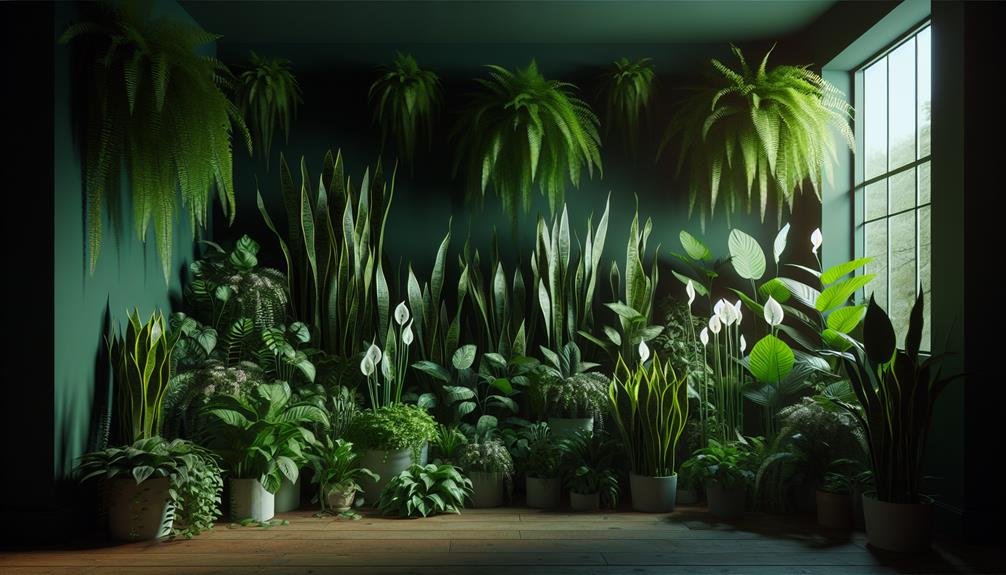
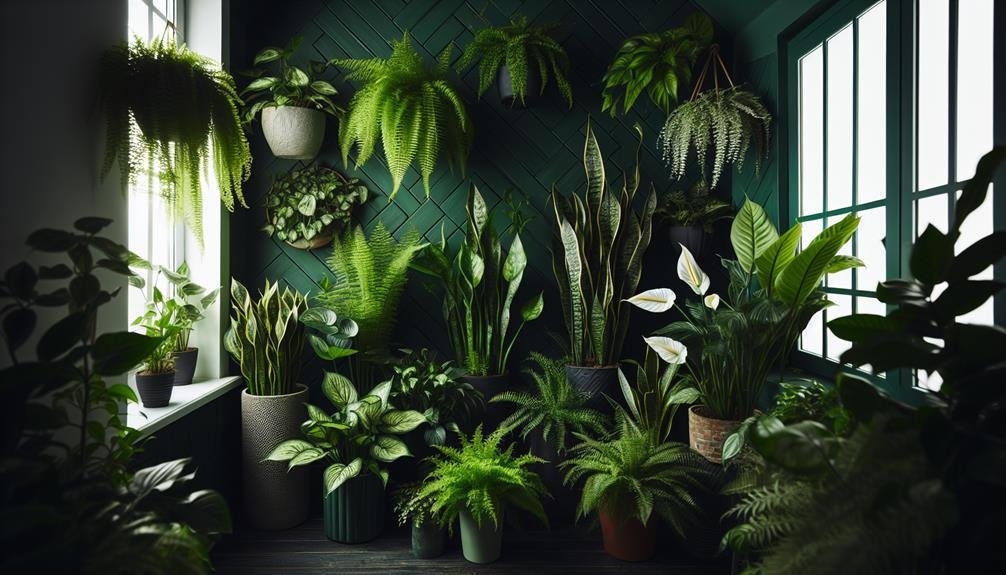
When choosing indoor houseplants, prioritize those that thrive in low-light conditions for easier maintenance. Consider adding a snake plant to your space. This hardy plant requires minimal light and only needs occasional watering.
Another excellent choice is the pothos plant, known for its ability to purify the air and adapt to various light levels.
If you prefer flowering plants, peace lilies are a great option as they can bloom in low-light environments and help improve air quality.
For a touch of greenery in darker corners, the ZZ plant is an ideal selection due to its resilience and ability to thrive in almost any lighting conditions.
Additionally, spider plants are perfect for beginners, thriving in indirect light and requiring watering only when the soil is dry.
Best Outdoor Plants for Gardens
As you extend your green oasis beyond indoor spaces, exploring the best outdoor plants for gardens opens up a world of vibrant possibilities. When selecting outdoor plants, consider factors like your garden's sunlight exposure, climate, and soil conditions.
For a burst of color and fragrance, consider planting roses, which come in various colors and types to suit your preferences. If you're looking for low-maintenance options, lavender and succulents like hens-and-chicks are excellent choices that thrive in different climates.

For those seeking to attract pollinators, bee balm and butterfly bushes are popular options that add beauty while supporting local wildlife. To create a lush, green backdrop, ornamental grasses like fountain grass or pampas grass can add texture and movement to your garden.
Additionally, incorporating herbs like basil, mint, and parsley not only adds flavor to your dishes but also brings a delightful aroma to your outdoor space. With the right selection of outdoor plants, your garden can become a flourishing retreat for both you and local wildlife.
Low-Maintenance Indoor Greenery
Consider incorporating low-maintenance indoor greenery into your living spaces to bring a touch of nature without the hassle of high upkeep. These plants are perfect for those with busy schedules or limited gardening experience.
Snake plants, also known as Sansevieria, thrive in low light and are drought-tolerant, making them ideal for forgetful waterers.
Pothos, with their trailing vines, can thrive in various light conditions and are great for adding a pop of green to shelves or hanging baskets.
ZZ plants are virtually indestructible, requiring minimal watering and thriving in low light environments.
Spider plants are another excellent choice, known for their air-purifying qualities and adaptability to different light levels.
Lastly, the peace lily is a beautiful flowering plant that can thrive in low light and humid conditions, with its white blooms adding elegance to any room.
Incorporating these low-maintenance indoor plants won't only enhance your living spaces but also bring the benefits of nature indoors with minimal effort on your part.
Outdoor Potted Plants Favorites
Explore some of the favorite outdoor potted plants that can elevate the aesthetics of your outdoor spaces effortlessly. For a burst of color, consider geraniums. These vibrant flowers come in a range of hues and are perfect for adding a pop of brightness to your patio or garden. Another popular choice is the versatile lavender plant. Not only does it attract pollinators with its fragrant blooms, but it also adds a touch of elegance to any outdoor setting.
If you're looking for something with a bit more height, try growing a majestic palm tree in a large outdoor pot. Palms are iconic and can create a tropical atmosphere in your backyard. For a touch of whimsy, consider planting ornamental grasses like fountain grass or blue fescue. These grasses sway gracefully in the wind and add texture to your outdoor space.
To add a touch of sophistication to your outdoor oasis, opt for a classic topiary plant. Whether it's a spiral boxwood or a ball-shaped juniper, these sculpted plants bring a sense of refinement to your garden or balcony. Experiment with different combinations of these outdoor potted plants to create a personalized and visually appealing outdoor space.
Indoor Vs Outdoor Plant Care
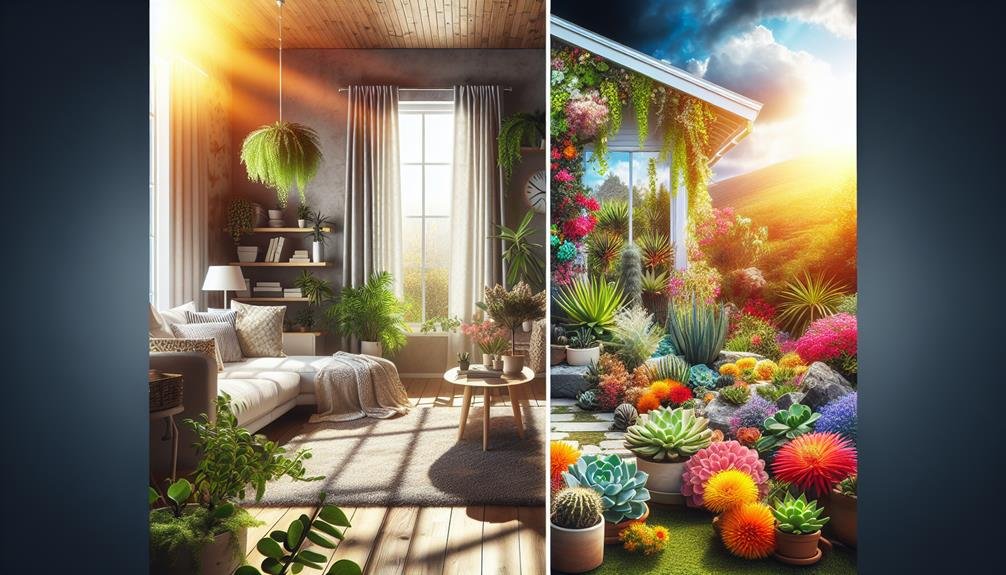
For optimal plant health, differentiate between caring for indoor and outdoor plants based on their specific needs and environmental requirements. Indoor plants thrive in controlled environments with consistent temperatures, filtered light, and regular watering schedules. Ensure adequate drainage in their pots to prevent root rot, and dust their leaves periodically to allow for proper photosynthesis. Keep an eye out for pests that may be attracted to the indoor conditions and treat them promptly to avoid infestations.
On the other hand, outdoor plants are exposed to fluctuating weather conditions, requiring a different approach to care. Monitor the soil moisture levels more closely, as outdoor plants may dry out faster due to sun exposure and wind. Consider using mulch to retain moisture and protect the roots. Prune outdoor plants as needed to promote healthy growth and flowering. Adjust watering frequency based on rainfall and season changes, providing extra hydration during hot summer months. By understanding and meeting the distinct needs of indoor and outdoor plants, you can ensure they thrive in their respective environments.
Frequently Asked Questions
Can Indoor Houseplants Be Used Outdoors in a Garden Setting?
Yes, you can use indoor houseplants outdoors in a garden setting, but it's essential to consider their specific needs. Some indoor plants may not thrive in direct sunlight or outdoor conditions.
Be sure to gradually acclimate them to the new environment to prevent shock. Check the plant's light, water, and temperature requirements to ensure a successful transition from indoor to outdoor spaces.
How Do I Prevent Pests From Attacking My Indoor Houseplants When Placed Outside?
When placing your indoor houseplants outside, prevent pests by regularly inspecting the plants for any signs of infestation. Check the leaves, stems, and soil for pests like aphids or spider mites. Consider using natural pest control methods such as neem oil or insecticidal soap.
Keep the plants healthy and well-maintained to help them fend off pests naturally. Additionally, avoid overwatering, as moist conditions can attract certain pests.
Can Outdoor Plants Survive Indoors With Proper Care and Conditions?
Yes, outdoor plants can survive indoors with the right care and conditions.
Make sure to mimic their outdoor environment by providing adequate sunlight, water, and proper drainage.
Keep an eye on temperature and humidity levels to ensure they thrive.
Regularly inspect for pests and diseases to catch any issues early.
Are There Any Houseplants That Are Safe for Pets to Be Around Both Indoors and Outdoors?
When it comes to houseplants safe for pets both indoors and outdoors, it's essential to prioritize their well-being. Certain plants like spider plants, Boston ferns, and African violets can be great choices.
Always research before bringing in new plants to ensure they won't harm your furry friends. Remember, keeping your pets safe and happy is key when selecting houseplants for your living spaces.
How Often Should I Rotate My Indoor Houseplants to Ensure They Get Enough Sunlight and Fresh Air?
To ensure your indoor houseplants receive adequate sunlight and fresh air, rotate them every 1-2 weeks. This practice helps prevent overexposure to sunlight on one side and encourages even growth.
Conclusion
Overall, when choosing houseplants for your indoor or outdoor spaces, consider factors such as light, temperature, and maintenance requirements.
For indoor spaces, opt for low-maintenance plants like snake plants or pothos, while outdoor gardens can thrive with colorful flowers like petunias or hardy shrubs like lavender.
By selecting the right plants for each environment, you can create a beautiful and thriving green oasis in your home or garden.