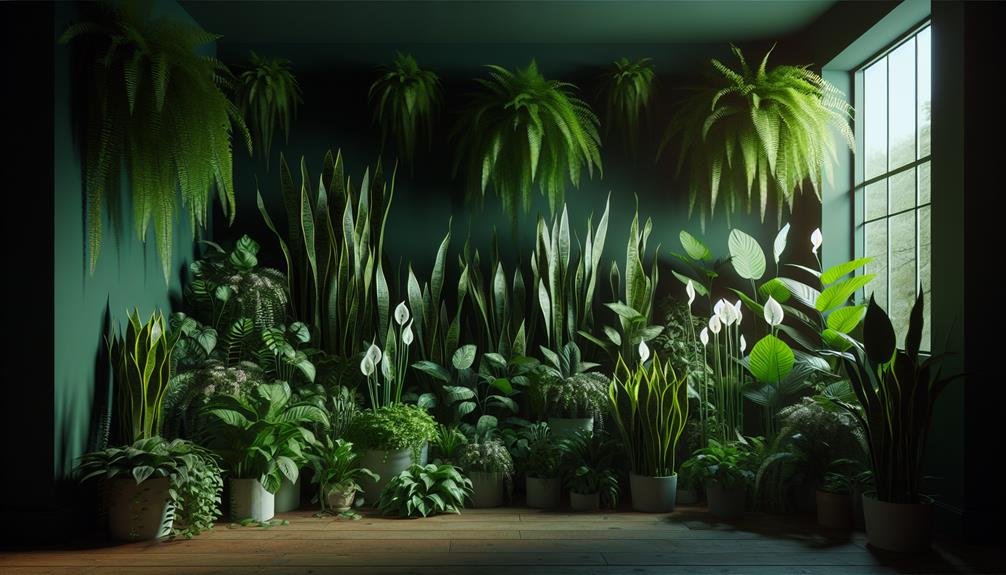
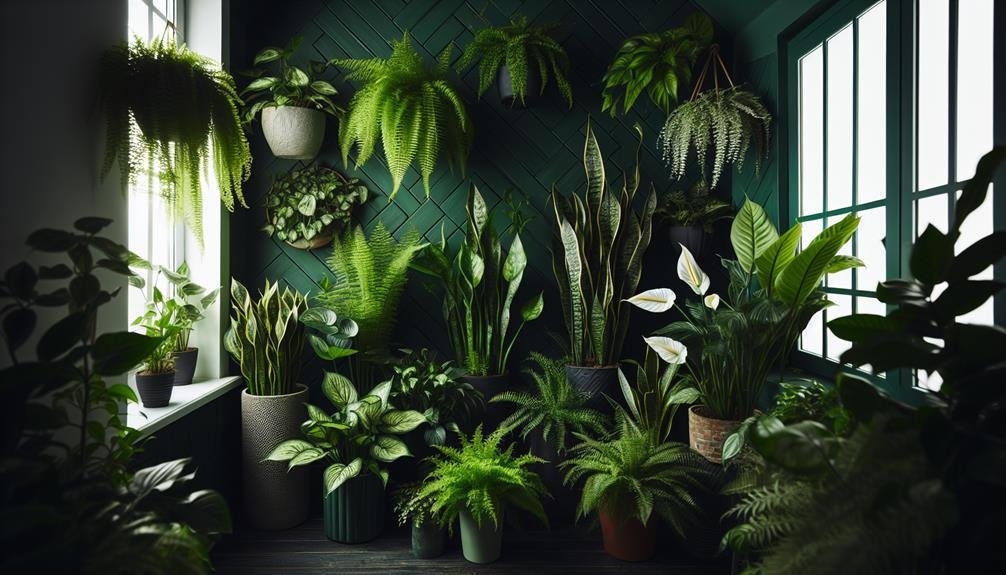
Did you know that 95% of a plant's diet comes from sunlight? Understanding how to provide the right lighting for your houseplants is crucial for their health and growth.
By implementing a few simple lighting tips, you can create an optimal environment that mimics their natural habitat. From identifying your plant's light preferences to utilizing artificial lighting solutions, there are various strategies to ensure your houseplants thrive.
Stay tuned to discover how you can transform your space into a flourishing green oasis.
Importance of Natural Light
When selecting houseplants, consider the amount of natural light available in your living space. Different plants have varying light requirements, so it's essential to match them with the right spot in your home. Take note of which areas receive direct sunlight, indirect light, or are mostly shaded throughout the day.
For plants that thrive in bright, direct sunlight, like succulents or cacti, place them near south or west-facing windows. These plants need at least six hours of sunlight daily to stay healthy.
On the other hand, plants such as ferns or spider plants prefer indirect light and can be positioned further away from windows or in rooms with filtered sunlight.
If you have a low-light environment, consider plants like pothos, peace lilies, or snake plants, which can survive with minimal sunlight. These plants are great for rooms with north-facing windows or areas that receive little natural light.
Identifying Plant Light Preferences
To determine the ideal lighting conditions for your houseplants, it's important to understand their specific light preferences based on the amount of natural light available in your living space. Different plants have varying light requirements, and recognizing these preferences is crucial for their health and growth.
Some plants, like succulents and cacti, thrive in bright, direct sunlight. They require at least 6 hours of direct sunlight each day to flourish. On the other hand, plants such as ferns and peace lilies prefer indirect light or partial shade. These species can tolerate lower light levels and should be placed away from intense sunlight.
If your living space lacks natural light, consider low-light tolerant plants like pothos or snake plants that can survive in dimmer conditions. Conversely, if you have a sunny spot with ample sunlight streaming in, opt for sun-loving plants like herbs or flowering varieties. Understanding your plant's light preferences will ensure they receive the proper amount of light for optimal growth and overall well-being.

Adjusting Light Levels for Growth
Consider adjusting the light levels for your houseplants to promote healthy growth and development. Different plants have varying light requirements, so it's crucial to tailor the light exposure to each specific type of houseplant you have.
If you notice that your plant's leaves are becoming pale or it's growing leggy, it may be a sign that it's not receiving enough light. On the other hand, if the leaves are turning brown or scorched, it could indicate that the plant is getting too much direct sunlight.
To adjust the light levels, you can try moving your plant to a different location in your home where it can receive more or less light, depending on its needs. Rotating your plants periodically can also help ensure that all sides receive adequate light for balanced growth.
Using Artificial Lighting Solutions
Enhance your houseplants' growth by utilizing artificial lighting solutions tailored to their specific light requirements. When natural light is insufficient, artificial lighting can be a game-changer for your indoor plants.
LED grow lights are a popular choice due to their energy efficiency and customizable spectrum options. These lights provide the necessary wavelengths for photosynthesis, promoting healthy growth. Place the lights at an appropriate distance from your plants, as different species have varied light intensity needs.
For example, high-light plants like succulents may require the light to be positioned closer, while low-light plants such as pothos can thrive with the light placed further away.
Consider the duration of light exposure as well. Most houseplants benefit from around 12-16 hours of light per day. To mimic the natural day-night cycle, use a timer for consistent lighting schedules. Rotate your plants regularly to ensure even light distribution on all sides.
Monitoring Light Exposure
For optimal growth of your houseplants, it's crucial to monitor their exposure to light carefully. Different plants have varying light requirements, so paying attention to how much light your plants are getting is essential. Place light-loving plants near windows where they can receive ample sunlight, while shade-loving plants should be kept in areas with indirect light.
Watch out for signs of too much or too little light, such as leaf scorching or yellowing. Consider using a light meter to accurately measure the light levels your plants are receiving. Rotate your plants regularly to ensure even light exposure on all sides.
Remember that the intensity and duration of light exposure are key factors affecting plant growth. By being vigilant and adjusting light exposure as needed, you can help your houseplants thrive and stay healthy.
Frequently Asked Questions
Can I Use Colored Light Bulbs to Provide Different Light Spectrums for My Houseplants?
Yes, you can use colored light bulbs to provide different light spectrums for your houseplants. This allows you to tailor the lighting to meet specific needs, such as promoting growth or flowering.
However, be mindful that not all colored bulbs are equal in terms of providing the necessary light spectrum for optimal plant growth. It's essential to research which colors are best suited for your plants' health and adjust accordingly.
How Can I Determine if My Houseplants Are Receiving Too Much or Too Little Light?
To determine if your houseplants get enough light, watch for signs like leggy growth, yellowing leaves, or lack of flowering.
If they're getting too much light, you might notice scorched or faded leaves. For plants needing more light, seek out indicators such as stunted growth or elongated stems.
Adjust plant placement until they thrive in their ideal light conditions. Regularly monitoring their response will help you strike the perfect balance.
Are There Any Specific Types of Artificial Lighting That Are Better for Promoting Flowering in Houseplants?
When it comes to promoting flowering in houseplants, specific types of artificial lighting can be beneficial. Certain plants require different light spectrums to encourage blooming.
LED grow lights are a popular choice as they can be adjusted to emit the necessary wavelengths for flowering. Ensure your plants receive the right amount of light for optimal bloom production.
Keep an eye on your houseplants' lighting needs to help them thrive and blossom beautifully.
Can I Use a Combination of Natural and Artificial Light to Provide Optimal Lighting for My Houseplants?
You can definitely use a combination of natural and artificial light to give your houseplants the best lighting. Natural light is great during the day, but supplementing with artificial light can help ensure they get enough light, especially in darker areas.
Position your plants strategically to maximize their exposure to both types of light. This balance will keep your plants healthy and thriving all year round.
Are There Any Light Exposure Apps or Tools That Can Help Me Track and Monitor the Light Levels for My Houseplants?
Yes, there are light exposure apps and tools available to help you track and monitor light levels for your houseplants. These resources can assist in ensuring your plants receive the right amount of light for optimal growth.
Utilize these tools to easily maintain a healthy environment for your plants and adjust their lighting needs accordingly. Stay informed and proactive in providing the best conditions for your houseplants' well-being.
Conclusion
Overall, proper lighting is essential for the health and growth of your houseplants. By understanding the importance of natural light, identifying plant light preferences, and adjusting light levels accordingly, you can ensure your plants thrive.
If natural light is limited, consider using artificial lighting solutions to supplement their needs. By monitoring light exposure and making adjustments as needed, you can create an optimal environment for your indoor plants to flourish.