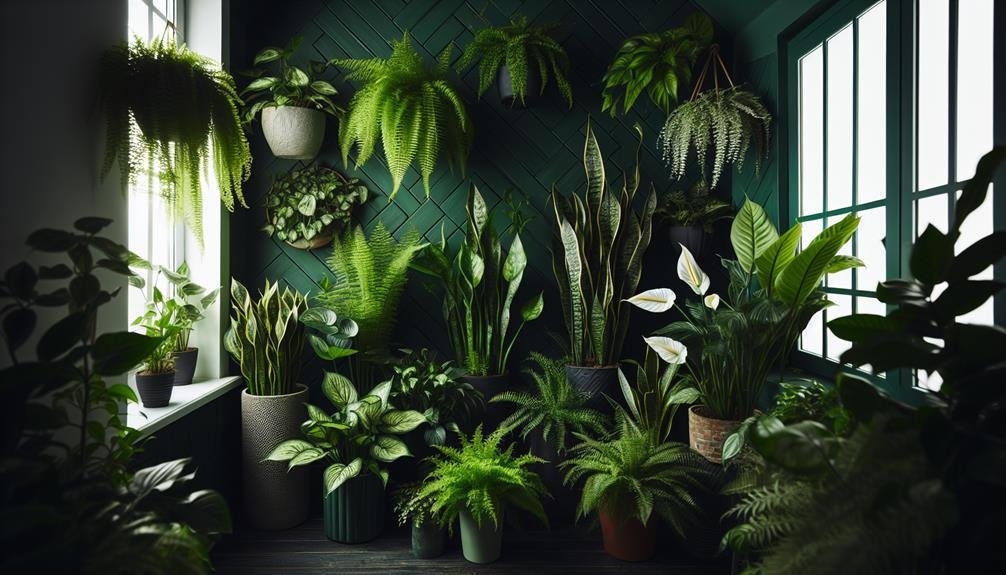
When it comes to nurturing your houseplants, the choice of propagation medium can make all the difference between thriving greens and struggling foliage. Imagine a world where your plants effortlessly flourish, adapting to their new environments with ease.
But how do you ensure your leafy friends have the best start in life? The key lies in selecting the right propagation medium tailored to their specific needs and growth patterns. Whether it's water propagation, soil propagation, or other innovative methods, the road to houseplant success begins with the foundation you lay.
Water Propagation
When propagating houseplants through water, you can observe root growth easily without disturbing the plant. This method is perfect for beginners and for plants like pothos, philodendron, and spider plants.
To start, select a healthy stem cutting from a mature plant, ensuring it has at least one node where roots will grow. Place the cutting in a container of water, making sure that the node is submerged. Change the water every few days to prevent rot and algae growth. Position the container in a bright spot, but away from direct sunlight to avoid overheating.
As the days pass, you'll start noticing tiny roots emerging from the node. Once the roots are a few inches long, you can transplant the cutting into soil. Be gentle during this process to avoid damaging the delicate new roots.
Water propagation is a simple and rewarding way to expand your houseplant collection while witnessing the miracle of root growth firsthand.
Soil Propagation
To propagate houseplants through soil, select a healthy stem cutting with at least one node for optimal root growth. Prepare a small pot with well-draining soil, such as a mix of potting soil and perlite. Remove the lower leaves of the cutting to expose the node, which will encourage root development. Dip the cut end in rooting hormone to promote quicker root growth.
Make a hole in the soil and gently place the cutting in, ensuring the node is covered. Press the soil lightly around the cutting to provide stability. Water the soil thoroughly and place the pot in a warm, bright location, but avoid direct sunlight. Keep the soil consistently moist but not waterlogged to support root growth.
After a few weeks, gently tug on the cutting to check for resistance, indicating root development. Once roots have established, transplant the cutting into a larger pot with regular potting soil to continue its growth journey.
Perlite Propagation
For optimal propagation success, consider utilizing perlite as a propagation medium for your houseplants. Perlite is a popular choice among plant enthusiasts due to its excellent aeration and moisture retention properties. When used for propagation, perlite helps create a well-draining environment that promotes healthy root development.

To propagate your houseplants in perlite, start by preparing a container filled with moistened perlite. Take your plant cuttings and insert them into the perlite, ensuring they're stable and upright. Mist the cuttings regularly to maintain humidity levels and check the moisture content of the perlite to avoid overwatering.
One key advantage of using perlite for propagation is its sterile nature, which helps prevent the growth of harmful pathogens that can affect young plants. Additionally, perlite is lightweight and easy to work with, making it a convenient option for propagating a variety of houseplants. Consider incorporating perlite into your propagation routine for successful and healthy plant growth.
Vermiculite Propagation
Consider exploring vermiculite as an alternative propagation medium for your houseplants, offering unique benefits for root development and moisture retention. Vermiculite is a mineral-based material that's lightweight and has excellent water retention properties. When used for propagation, vermiculite provides aeration to the roots while also holding moisture, creating a favorable environment for root growth.
One of the key advantages of vermiculite is its ability to improve soil structure, preventing compaction and allowing roots to spread easily. This medium is sterile and pH neutral, reducing the risk of diseases and providing a clean environment for young plants to thrive.
To use vermiculite for propagation, simply moisten it before planting your cuttings or seeds. The moisture retention of vermiculite helps to keep the plant material hydrated during the critical early stages of growth. Additionally, vermiculite can be easily mixed with other mediums like perlite or peat moss to create a custom blend tailored to your plant's needs. Give vermiculite a try in your propagation process and benefit from its unique properties that promote healthy root development.
Sphagnum Moss Propagation
Sphagnum moss, an excellent medium for propagation, offers superior moisture retention for optimal root growth. When propagating your houseplants, consider using sphagnum moss for successful results.
This medium creates a moist environment that aids in root establishment and development. To start, moisten the moss until it's damp but not soggy, ensuring it provides the right level of moisture for your plant cuttings. Next, gently insert the cuttings into the moss, making sure they're secure but not buried too deeply. The moss will help keep the cuttings hydrated as they begin to form roots.
Check the moisture levels regularly to maintain the ideal growing conditions. Sphagnum moss is beneficial for various types of houseplants and can increase your propagation success rate. Give it a try and watch your plant babies thrive in this nurturing medium.
Frequently Asked Questions
Are There Any Specific Houseplants That Should Not Be Propagated Using Water or Soil Mediums?
When propagating houseplants, some species may not thrive using water or soil mediums. Factors like the plant's root structure or susceptibility to rot must be considered. Certain plants, such as succulents or plants with delicate roots, mightn't do well in water propagation.
Similarly, species prone to fungal issues could struggle in soil mediums. Research each plant's specific needs to ensure successful propagation.
What Are the Best Methods for Propagating Succulents and Cacti?
When propagating succulents and cacti, remember to use well-draining soil and let the cuttings callus before planting. This allows for better root development. Keep the soil lightly moist but not waterlogged to prevent rot.
Place the cuttings in indirect sunlight until they establish roots. Regularly check for growth and adjust care as needed. Following these steps will increase your chances of successful propagation.
Can Vermiculite Be Reused for Multiple Rounds of Propagation, or Does It Need to Be Replaced Each Time?
When propagating with vermiculite, it's best to replace it for each round. Reusing it can lead to contamination and affect the success of your propagation efforts.
Fresh vermiculite is key for providing a clean and healthy environment for your plants to grow roots and thrive. So, make sure to invest in new vermiculite for each propagation cycle to give your plants the best chance at flourishing.
Are There Any Common Pests or Diseases That Can Affect Houseplant Cuttings During the Propagation Process?
When propagating houseplant cuttings, watch out for common pests like aphids or fungus gnats. These pesky critters can harm your plants as they grow.
To prevent issues, inspect your cuttings regularly and keep your propagation area clean. If you do spot any pests, take action quickly to protect your plants.
How Long Does It Typically Take for Houseplant Cuttings to Root Successfully in Each of the Recommended Propagation Mediums?
When propagating houseplant cuttings, rooting success time varies based on the medium used. Generally, water propagation can take 2-6 weeks for roots to form, while soil propagation might take 4-8 weeks.
Vermiculite or perlite can speed up the process, often rooting within 2-4 weeks. Remember to keep the environment warm and humid to help your cuttings thrive and grow strong roots.
Conclusion
Overall, when it comes to propagating houseplants, there are various mediums you can choose from. Whether you prefer water, soil, perlite, vermiculite, or sphagnum moss, each option has its own advantages and can lead to successful propagation.
Experiment with different mediums to see which one works best for your plants and enjoy watching them grow and thrive in your home. Happy propagating!