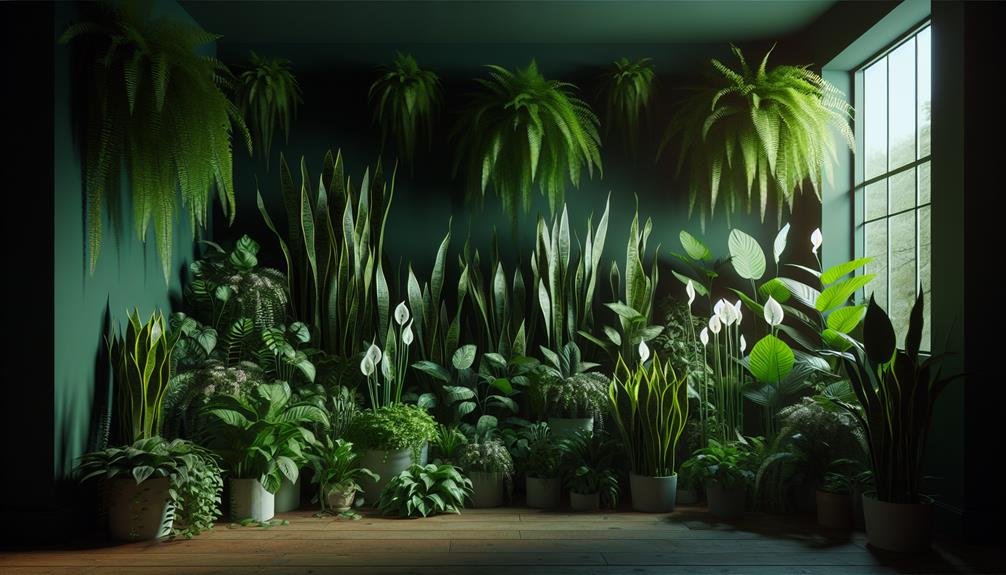
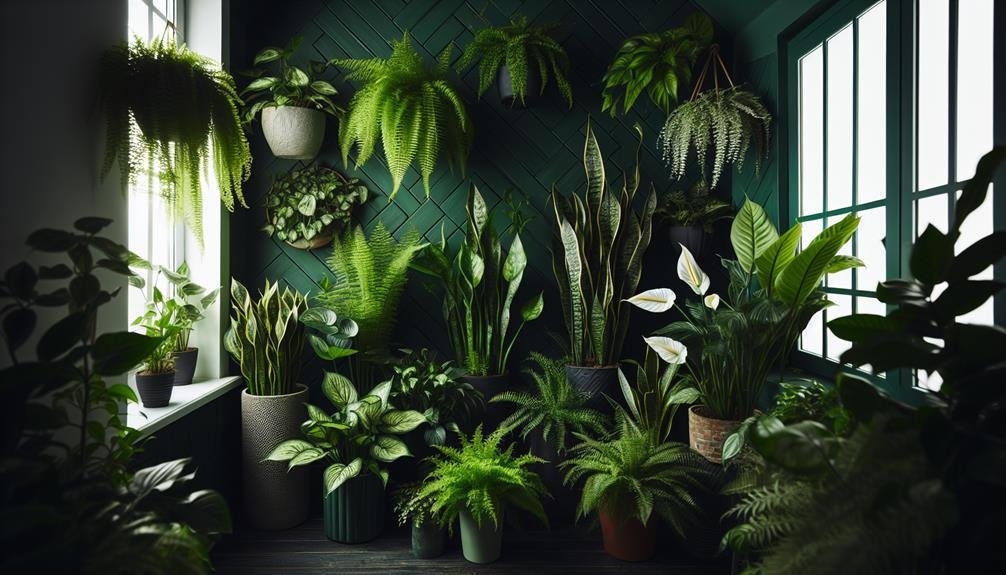
In dimly lit rooms, the quest for brightening through houseplants begins. You may have tried various solutions, but have you considered the power of greenery to transform your space?
Discover how certain houseplants thrive in low-light conditions and can be the key to adding life to those shadowy corners. By exploring the benefits, top plant picks, care tips, and creative placement ideas, you might uncover the perfect botanical companion to illuminate your dark spaces.
Benefits of Houseplants in Dim Rooms
Enhancing the ambiance of dim rooms, houseplants bring a touch of nature indoors, providing fresh air and visual appeal. Not only do they add a pop of green to your space, but they also offer numerous health benefits. Houseplants have the remarkable ability to purify the air by absorbing toxins and releasing oxygen, creating a healthier environment for you to relax in. Additionally, their presence can boost your mood and reduce stress levels, making your dim room a more inviting and calming space.
Incorporating houseplants into your dimly lit rooms can also help to soften the harsh artificial lighting commonly found in such spaces. The natural textures and colors of plants can add warmth and depth to the room, making it feel cozier and more inviting. Furthermore, caring for houseplants can be a rewarding experience, giving you a sense of accomplishment as you watch them thrive in a space where other plants might struggle to survive.
Top Low-Light Houseplant Choices
Consider selecting low-light houseplants that thrive in dim environments to bring greenery into your space effortlessly. When choosing plants for low-light areas, peace lilies are a great option. These plants not only tolerate low light but also help purify the air.
Another excellent choice is the snake plant, known for its resilience and ability to thrive in low-light conditions. Spider plants are also a popular choice for dim rooms due to their adaptability and air-purifying qualities.
If you prefer flowering plants, African violets are a charming option that can bloom in low-light settings. Pothos plants are versatile and can thrive in various light conditions, including low light, making them a reliable choice for dim spaces.
Lastly, ZZ plants are low-maintenance and can tolerate low light, adding a touch of green to your dimly lit room without much effort. These top low-light houseplant choices are sure to brighten up your space even in the darkest corners.
Tips for Caring for Dim-Loving Plants
To ensure the health and vitality of your dim-loving plants, regularly rotate them to promote even growth and prevent leaning towards the light source. Rotate the plants a quarter turn every week to ensure all sides receive adequate light exposure.
When watering, make sure the soil is moist but not waterlogged, as dim-loving plants are prone to root rot in soggy conditions. It's crucial to choose the right type of potting mix that provides good drainage to prevent water accumulation at the roots.

Additionally, dust the leaves of your plants regularly with a damp cloth to help them absorb more light efficiently. Avoid using leaf shine products that can clog the plant's stomata, hindering its ability to breathe. Trim off any yellowing or dead leaves to encourage new growth and maintain the plant's overall health.
Lastly, keep an eye out for pests like spider mites or mealybugs, especially in the low-light conditions of dim rooms, and address them promptly to prevent infestations. By following these care tips, your dim-loving plants will thrive in their light-limited environment.
Creative Placement Ideas for Dark Spaces
Maximize the natural light available by strategically placing reflective surfaces like mirrors or metallic accents in dim spaces. Mirrors can help bounce light around the room, making it feel brighter and more spacious. Consider placing a mirror opposite a window to reflect incoming light. Additionally, metallic accents such as silver or gold frames can catch and reflect any available light, adding a touch of elegance to the space.
Another creative placement idea for dark spaces is to use light-colored or glossy paint on walls and ceilings. Light colors can help amplify any natural light that enters the room, while glossy finishes can further enhance the reflection of light. Opt for shades like soft whites, pale yellows, or light blues to brighten up the space.
Incorporating light fixtures strategically can also help brighten dim rooms. Place lamps in corners or near reflective surfaces to maximize their impact. Wall sconces or pendant lights can add both illumination and style to dark areas. By carefully considering placement and incorporating these creative ideas, you can transform your dim space into a brighter and more inviting room.
Troubleshooting Common Low-Light Issues
Addressing common low-light issues in your space can significantly improve the overall brightness and ambiance. If your plants aren't thriving in low-light conditions, there are a few common issues you can troubleshoot to help them flourish.
One frequent problem is overwatering. Ensure your plants aren't sitting in soggy soil as this can lead to root rot, especially in low-light environments where plants mightn't be using up water as quickly. Consider using a moisture meter to check the soil before watering.
Another issue to look out for is nutrient deficiency. Low-light plants may have lower nutrient requirements, but they still need some level of nutrients to grow. Try using a balanced, water-soluble fertilizer at half or quarter strength to provide your plants with the necessary nutrients without overwhelming them.
Lastly, inadequate air circulation can hinder plant growth in low-light spaces. Consider placing a small fan nearby to improve air circulation and prevent stagnant, humid conditions that can promote mold growth. By addressing these common low-light issues, you can create a healthier environment for your plants to thrive in dimly lit rooms.
Frequently Asked Questions
Can Houseplants Actually Improve the Air Quality in Dim Rooms?
Yes, houseplants can indeed enhance air quality in dim rooms. They've the ability to purify the air by absorbing pollutants and releasing oxygen.
Which Houseplants Are Best for Adding Color and Vibrancy to Dark Spaces?
Looking to add color and life to dark spaces with houseplants? Opt for vibrant options like the ZZ plant, snake plant, or peace lily. These plants thrive in low light conditions and can bring a pop of color to any dim room.
With their lush green leaves and easy maintenance, these houseplants are perfect for brightening up your space without needing too much sunlight. Give them a try and watch your room come to life!
Are There Any Low-Light Houseplants That Are Safe for Pets?
When looking for low-light houseplants safe for pets, consider options like:
- Spider plants
- Parlor palms
- Boston ferns
These varieties not only thrive in dim spaces but are also non-toxic to your furry friends. Remember to place them where your pets can't easily access them to prevent any accidental snacking.
How Often Should I Water Low-Light Houseplants Compared to Those in Well-Lit Areas?
When caring for low-light houseplants, water frequency is key. Compared to plants in well-lit areas, your low-light green buddies won't need as much hydration. Be mindful not to overwater them, as they won't dry out as quickly.
Stick to a schedule, checking the soil moisture regularly. Adjust the watering frequency based on the plant's needs. Remember, less light means less water needed!
Can Houseplants Help Reduce Stress and Improve Mental Well-Being in Dimly Lit Rooms?
In dimly lit rooms, houseplants can indeed help reduce stress and improve mental well-being. Their presence brings a touch of nature indoors, promoting a sense of calm and connection to the natural world.
Research suggests that caring for plants can have a positive impact on mood and overall mental health. So, adding houseplants to your dim spaces could be a simple yet effective way to enhance your well-being.
Conclusion
In conclusion, adding houseplants to dim rooms can bring life and brightness to otherwise dark spaces. With the right low-light plant choices and proper care, you can create a cozy and inviting atmosphere in any room.
Get creative with placement and troubleshooting any issues that may arise to ensure your plants thrive in their new environment.
Embrace the beauty and benefits of houseplants in even the darkest of rooms.