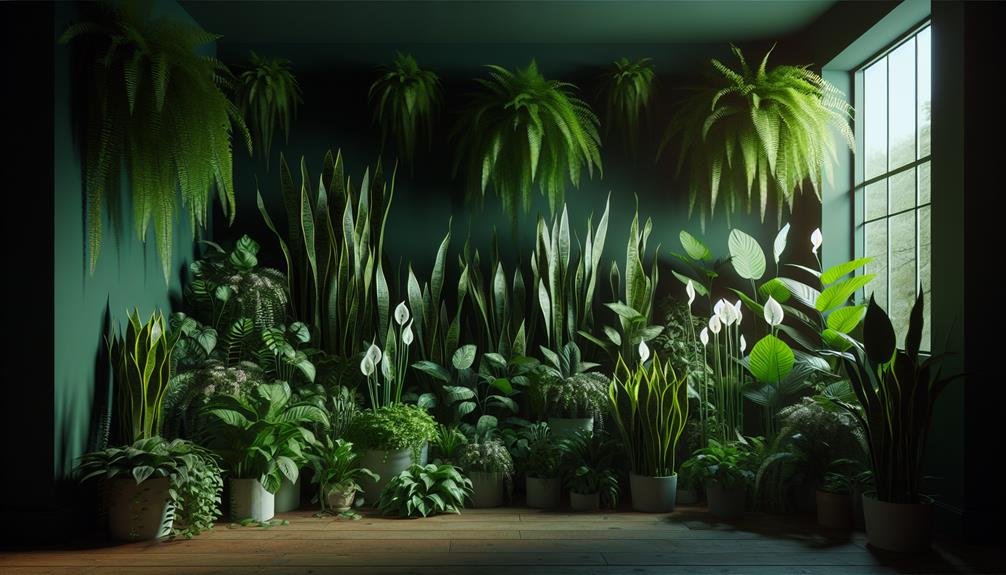
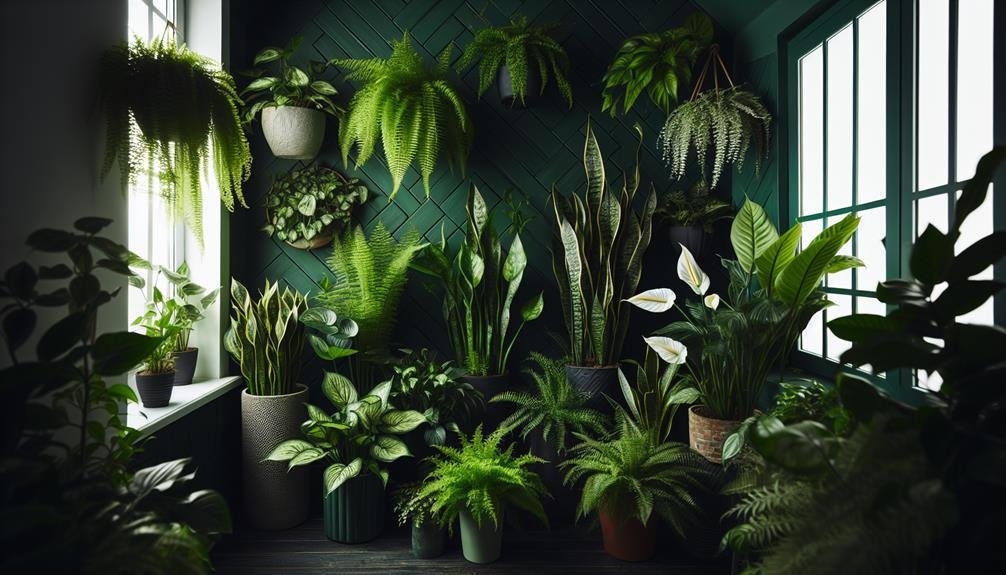
Are you torn between bringing the lush greenery indoors or letting it thrive under the open sky? The choice between indoor and outdoor plants can be a pivotal decision for beginners stepping into the world of gardening.
Understanding the nuances of each environment and plant type is crucial for their survival and growth. Whether you are aiming for a serene indoor oasis or a vibrant outdoor garden, the considerations you make at the start can set the tone for your botanical journey.
Benefits of Indoor Plants
Indoor plants bring a touch of nature into your home, enhancing air quality and promoting a sense of well-being. Beyond their aesthetic appeal, these green companions offer tangible benefits. They act as natural air purifiers by absorbing carbon dioxide and releasing oxygen, which can help reduce toxins and improve overall air quality in your living space. Additionally, indoor plants have been shown to boost mood and reduce stress levels. The presence of greenery indoors can create a calming environment, enhancing your mental well-being and productivity.
Furthermore, indoor plants can also help regulate humidity levels in your home. By releasing water vapor during transpiration, plants can increase moisture in the air, which is especially beneficial during the drier seasons. This natural humidifying effect can prevent issues like dry skin, irritated respiratory passages, and static electricity buildup.
Incorporating indoor plants into your living space not only adds a decorative element but also contributes to a healthier and more pleasant home environment.
Care Tips for Indoor Plants
To ensure your indoor plants thrive and remain healthy, implementing proper care techniques is vital. Start by placing your plants in areas with adequate sunlight based on their specific needs. Some may require direct sunlight, while others thrive in indirect light.
Water your plants appropriately, ensuring the soil is moist but not waterlogged. Overwatering can lead to root rot, so it's crucial to allow excess water to drain out of the pots. Remember to dust your plant's leaves regularly to allow for better photosynthesis.
Additionally, consider rotating your plants occasionally to promote even growth on all sides. Keep an eye out for any signs of pests or diseases, and promptly address any issues that arise. Fertilize your indoor plants as needed, following instructions to prevent overfeeding.
Benefits of Outdoor Plants
Outdoor plants offer numerous benefits that can enhance your overall well-being and connection to nature. One significant advantage of outdoor plants is that they help improve air quality by absorbing carbon dioxide and releasing oxygen through photosynthesis. This process can create a fresher and cleaner environment for you to enjoy.
Additionally, being surrounded by outdoor plants can reduce stress levels and promote a sense of calmness and relaxation. The vibrant colors and natural beauty of outdoor plants can also uplift your mood and create a more visually appealing space.

Moreover, outdoor plants provide opportunities for physical activity and engagement with nature. Planting, watering, and tending to outdoor plants can be a rewarding and therapeutic experience. Spending time outdoors caring for your plants can help increase your vitamin D intake and boost your immune system.
Furthermore, outdoor plants attract beneficial insects like bees and butterflies, which can aid in pollination and promote biodiversity in your garden. Overall, incorporating outdoor plants into your living space can have a multitude of positive effects on your well-being and connection to the natural world.
Care Tips for Outdoor Plants
With the well-being of your outdoor plants in mind, ensuring proper care through consistent maintenance routines is key to their growth and vitality. Start by watering your outdoor plants regularly, especially during hot and dry periods. Check the soil moisture levels by feeling the top inch of soil – if it's dry, it's time to water. Additionally, consider using mulch around the base of your plants to help retain moisture and suppress weeds.
Pruning is another essential aspect of outdoor plant care. Trim off dead or overgrown branches to promote new growth and maintain the plant's shape. Regularly inspect your plants for signs of pests or diseases. If you notice any issues, take action promptly to prevent them from spreading.
Fertilizing your outdoor plants is also crucial. Choose a fertilizer formula suitable for the specific plants you have and apply it according to the instructions on the packaging. Lastly, provide adequate sunlight according to the plant's requirements, ensuring they receive the right amount for healthy growth.
Factors to Consider Before Choosing
Before selecting between indoor and outdoor plants, consider your available space, lighting conditions, and time commitment to ensure the best choice for your plant care journey. Evaluate the space where you intend to place your plants. Indoor plants typically require smaller pots and fit well on windowsills or shelves, while outdoor plants need adequate room to grow in the ground or larger containers.
Lighting is crucial; indoor plants thrive in bright, indirect light, whereas outdoor plants need direct sunlight for a significant part of the day. Assess how much time you can dedicate to plant care. Indoor plants may need more frequent watering and monitoring compared to outdoor plants that can benefit from natural rainfall.
Think about your lifestyle and schedule to determine which option aligns best with your routine. By considering these factors before choosing between indoor and outdoor plants, you set yourself up for a successful and fulfilling gardening experience.
Frequently Asked Questions
Can Indoor Plants Be Placed in Direct Sunlight?
Yes, indoor plants can be placed in direct sunlight, but it's important to be cautious. Some indoor plants can thrive in direct sunlight, while others may get burned or stressed.
Make sure to research the specific light requirements of your indoor plants before exposing them to direct sunlight. Monitor your plants for any signs of sun damage like wilting or yellowing leaves, and adjust their placement accordingly to ensure they stay healthy.
How Often Should Outdoor Plants Be Watered During Different Seasons?
During different seasons, outdoor plants should generally be watered more frequently in hot, dry weather and less often in cooler, rainy seasons. It's crucial to monitor soil moisture levels regularly and adjust your watering schedule accordingly.
In spring and summer, when temperatures are higher, plants may need watering every 2-3 days, while in fall and winter, you can cut back to once a week or less depending on weather conditions.
Are There Any Specific Pests That Commonly Affect Indoor Plants?
Indoor plants can commonly be affected by pests like spider mites, aphids, and fungus gnats. Keep an eye out for any yellowing leaves, sticky residue, or tiny insects on your plant.
Regularly inspecting your indoor plants and maintaining good plant hygiene can help prevent these pests from infesting your green friends. Remember to act promptly if you notice any signs of pest infestation to protect your indoor plants and keep them healthy.
What Are Some Creative Ways to Display Indoor Plants in Small Spaces?
When it comes to displaying indoor plants in small spaces, get creative! Utilize hanging planters to free up floor space or consider a vertical garden using a trellis or wall-mounted containers. Group plants together on shelves or windowsills to maximize space.
Don't forget about using plant stands or wall-mounted planters for a stylish touch. With a bit of imagination, you can turn any small space into a lush green oasis.
Is It Possible to Bring Outdoor Plants Inside During the Winter Months?
Yes, you can bring outdoor plants inside during the winter months.
It's important to consider the specific needs of each plant when transitioning them indoors.
Check for pests, ensure proper lighting and humidity levels, and gradually acclimate them to the new environment.
With proper care, outdoor plants can thrive indoors during the colder months, adding a touch of greenery to your living space.
Conclusion
Overall, whether you choose indoor or outdoor plants, remember that both have their own benefits and require proper care.
Indoor plants can help improve air quality and create a calming environment, while outdoor plants can thrive in natural sunlight and fresh air.
Consider factors such as space, sunlight, and maintenance before making your decision.
With the right care and attention, your plants will flourish and bring beauty to your home or garden.
Happy planting!