When pondering the preference of plants for your abode, the decision between indoor and outdoor options can be perplexing. The array of factors to weigh might surprise you – from light requirements to space availability and beyond.
As you stand at this crossroads of horticultural decision-making, a guide to navigate the nuances of both categories could be just what you need to make an informed choice that suits your lifestyle.
Benefits of Indoor Plants
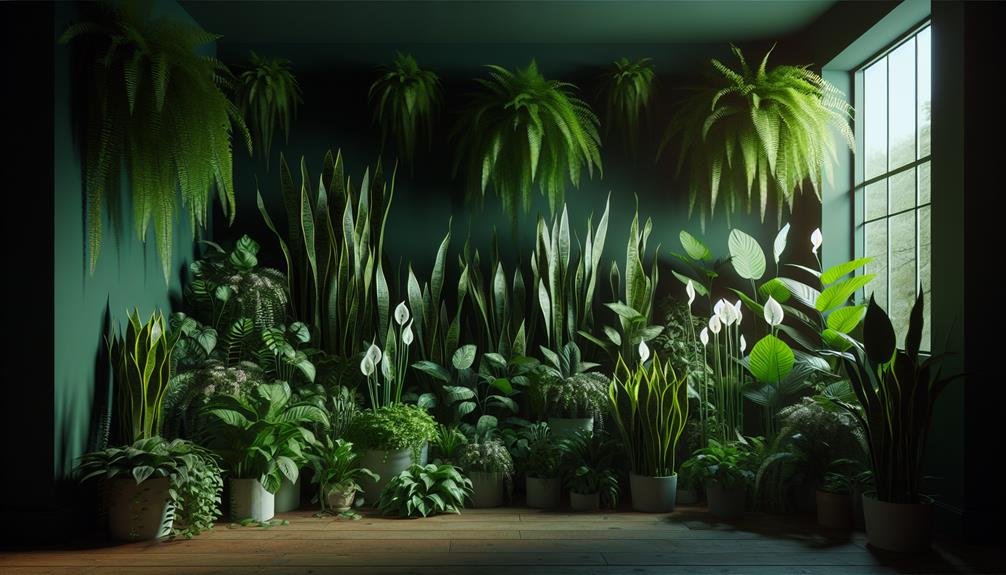
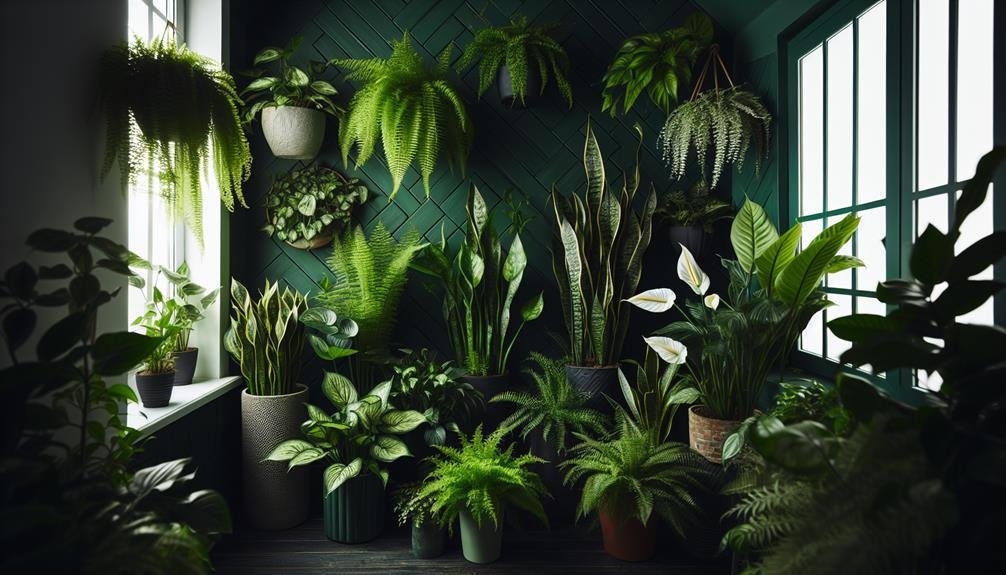
Indoor plants offer numerous benefits, such as improving air quality and boosting mood. Having greenery inside your home not only adds a touch of nature but also helps in purifying the air by absorbing toxins and releasing oxygen. Plants like spider plants, peace lilies, and pothos are excellent choices for enhancing indoor air quality. These plants can help reduce stress, increase productivity, and create a calming atmosphere in your living space. Additionally, caring for indoor plants can be a rewarding hobby that promotes relaxation and mindfulness.
Placing indoor plants strategically around your home can also help regulate humidity levels and reduce the risk of illnesses related to dry air. The presence of plants has been linked to lower levels of anxiety and depression, making them a natural mood booster. To fully enjoy these benefits, ensure your indoor plants receive adequate sunlight, water, and nutrients. Overall, incorporating indoor plants into your living environment can significantly improve your well-being and quality of life.
Pros and Cons of Outdoor Plants
Enhancing your outdoor space with plants brings both advantages and drawbacks that you should consider.
Outdoor plants have the benefit of natural sunlight, which is essential for their growth and overall health. They also have more space to grow, allowing for larger and more diverse plant options compared to indoor plants. Outdoor plants can enhance the aesthetic appeal of your garden or balcony, creating a vibrant and inviting atmosphere for you to enjoy.
On the flip side, outdoor plants are more susceptible to pests and harsh weather conditions. Insects, birds, and other animals may damage outdoor plants, requiring additional care and protection measures. Weather extremes like frost, heatwaves, or heavy rain can also negatively impact outdoor plants if they aren't well-suited to the climate of your region. Additionally, outdoor plants may require more maintenance in terms of watering, pruning, and fertilizing due to their exposure to the elements.
Before deciding on outdoor plants, it's important to weigh these pros and cons to ensure they align with your gardening goals and lifestyle.
Factors to Consider Before Choosing
Consider these key factors before selecting plants for your outdoor space. First, think about the climate in your region. Different plants thrive in varying conditions, so ensure you choose ones that are suitable for the temperatures and sunlight levels of your area.
Next, assess the space you have available. Consider the size of the area, the type of soil present, and the amount of sunlight it receives throughout the day. This will help you select plants that will flourish in your specific outdoor environment.

Another important factor to consider is the maintenance level you're willing to commit to. Some plants require more care and attention than others, so be honest with yourself about how much time you can dedicate to their upkeep.
Additionally, think about the purpose of the plants in your outdoor space. Are you looking for decorative flowers, privacy hedges, or edible plants? Understanding your goals will guide you in choosing the right plants for your outdoor area.
Maintenance Differences Between Indoor and Outdoor Plants
When it comes to maintaining plants, the care required for indoor and outdoor varieties can differ significantly. Indoor plants generally need more attention to detail compared to outdoor plants. Indoor plants often require regular watering since they aren't exposed to natural rainfall. You should be mindful of the specific watering needs of each indoor plant species to prevent overwatering or underwatering. In contrast, outdoor plants may rely more on natural rainfall, reducing the frequency of manual watering required.
Additionally, indoor plants may need more frequent fertilization than outdoor plants. Indoor environments have limited access to nutrients from the soil, necessitating the use of fertilizers to ensure healthy growth. You should follow a fertilization schedule recommended for each indoor plant type to promote optimal development. On the other hand, outdoor plants can benefit from natural nutrients present in the soil, requiring less frequent fertilization.
Understanding these maintenance differences between indoor and outdoor plants will help you provide the best care for your green companions.
Best Plants for Different Environments
For optimal plant growth in different environments, selecting the right plants is crucial. When choosing indoor plants, consider low-light options like pothos, spider plants, or peace lilies for areas with minimal sunlight.
Succulents such as aloe vera or jade plants thrive in dry indoor conditions and require minimal watering. If your indoor space receives ample sunlight, try growing herbs like basil, mint, or parsley on a sunny windowsill.
For outdoor environments, sun-loving plants like marigolds, petunias, and zinnias are excellent choices for bright, sunny areas. In shaded outdoor spots, ferns, hostas, or impatiens can add a pop of color and thrive in lower light conditions.
Vegetables such as tomatoes, peppers, and cucumbers flourish in outdoor gardens with full sun exposure. Remember to consider the specific lighting and temperature conditions of your indoor or outdoor space when selecting plants to ensure they thrive in their environment.
Frequently Asked Questions
Can Outdoor Plants Be Brought Indoors During Colder Months, and Vice Versa?
Yes, outdoor plants can usually be brought indoors during colder months if they're sensitive to frost.
Similarly, indoor plants can be taken outside during warmer seasons to enjoy some sunlight.
However, it's important to gradually acclimate them to the new environment to prevent shock.
Keep an eye on their water and light needs as they adjust.
Are There Any Health Benefits to Having a Mix of Indoor and Outdoor Plants in a Living Space?
Having a mix of indoor and outdoor plants in your living space can bring various health benefits. Plants help improve air quality by filtering out toxins and releasing oxygen. They also have a calming effect, reducing stress and boosting mood.
In addition, indoor plants can help increase humidity levels, which is beneficial for your skin and respiratory system. So, incorporating both indoor and outdoor plants can enhance your overall well-being.
How Do I Keep My Indoor Plants From Attracting Pests That Could Harm My Outdoor Garden?
To keep your indoor plants from attracting pests that might harm your outdoor garden, start by regularly inspecting your indoor plants for any signs of pests. Ensure your indoor plants are healthy and not stressed, as weaker plants are more susceptible to infestations.
Consider using natural pest control methods like neem oil or insecticidal soap. Quarantine any new plants before bringing them indoors to prevent introducing pests to your existing collection.
Are There Any Special Considerations to Keep in Mind for Choosing Plants in Areas With Extreme Weather Conditions?
When selecting plants for areas with extreme weather, consider hardiness, water needs, and sun exposure. Opt for plants that can withstand the harsh conditions of your region, such as drought-resistant varieties for arid climates or cold-hardy species for frost-prone areas.
Ensure proper irrigation and protection from intense sunlight or strong winds. Research local plant recommendations or consult with a garden center to make the best choices for your specific weather conditions.
What Are Some Creative Ways to Incorporate Both Indoor and Outdoor Plants Into Home Decor?
To incorporate both indoor and outdoor plants into home decor, consider placing potted plants near windows or on shelves to bring a touch of greenery inside.
Hanging planters can add a stylish look and save space. Mix and match different plant types to create a dynamic display.
Don't forget to consider the lighting needs of each plant to ensure they thrive in their respective environments.
Conclusion
In conclusion, when choosing between indoor and outdoor plants, consider your lifestyle, space, and preferences. Indoor plants offer benefits like air purification and aesthetic appeal, while outdoor plants can thrive in natural sunlight and fresh air. Remember to factor in maintenance requirements and choose plants that suit your environment.
Whether you opt for a lush indoor oasis or a vibrant outdoor garden, both options can bring beauty and joy to your living space. Happy planting!