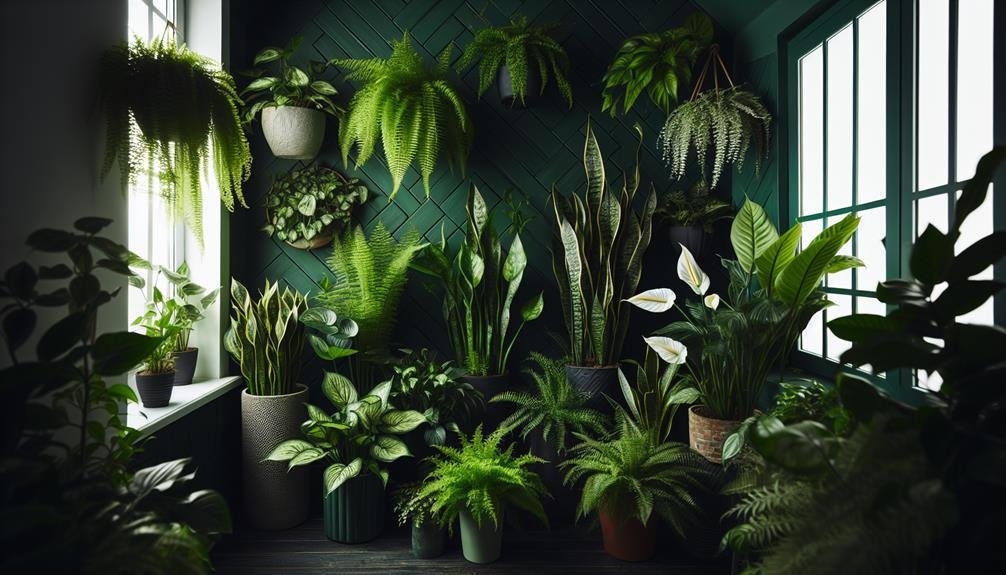
When it comes to houseplants, an ounce of prevention is worth a pound of cure. You've carefully nurtured your indoor greenery, but pesky pests can sneak in unnoticed.
What if you could tackle these invaders using natural solutions that are safe for your plants and the environment? Imagine a world where your houseplants thrive, free from the grasp of unwanted visitors.
Let's explore effective ways to combat common plant pests without harsh chemicals.
Identifying Common Houseplant Pests
When inspecting your houseplants for pests, focus on identifying any unusual markings or discolorations on the leaves. Look out for tiny insects like aphids, spider mites, or mealybugs. Aphids are usually green or black and cluster on new growth, sucking sap from plants. Spider mites are reddish-brown and leave webs on the underside of leaves, while mealybugs look like balls of cotton and feed on plant juices. If you notice sticky residue on the leaves or a black sooty mold, it might indicate the presence of pests like aphids or scale insects.
Apart from visible pests, keep an eye out for symptoms like wilting, yellowing, or distorted leaves. These could be signs of root rot caused by overwatering, or nutrient deficiencies. Sometimes, pests like fungus gnats or thrips can also infest your plants without leaving visible marks on the leaves, so it's crucial to inspect the soil and stems as well. Regularly checking your houseplants for pests will help you catch any issues early and prevent them from spreading.
Natural Remedies for Aphids
To effectively combat aphids on your houseplants, consider utilizing natural remedies that are safe for both your plants and the environment. One effective method is to create a homemade insecticidal soap by mixing a tablespoon of mild liquid soap with a quart of water. Spray this solution directly onto the affected plants, making sure to target the aphids.
Another natural remedy is neem oil, which can be diluted in water and sprayed onto the plants to repel and suffocate the aphids. Additionally, introducing beneficial insects like ladybugs or lacewings to your indoor garden can help control the aphid population as these insects are natural predators of aphids.
Furthermore, regularly inspecting your plants for early signs of aphid infestation and promptly removing any affected leaves or stems can prevent the problem from escalating. By incorporating these natural remedies into your houseplant care routine, you can effectively combat aphids without resorting to harsh chemicals.
Combatting Spider Mites Naturally
Consider implementing natural methods to combat spider mites infesting your houseplants. Spider mites are tiny pests that can quickly multiply and damage your plants by sucking out their juices.
One effective natural remedy is using neem oil, a plant-based oil that disrupts the mites' growth and reproduction. Mix a small amount of neem oil with water and a few drops of dish soap, then spray the solution on the affected plants.

Another natural solution is to introduce beneficial insects like ladybugs or predatory mites, which feed on spider mites and help control their population. You can purchase these insects from gardening stores and release them onto your plants.
Additionally, regularly showering your plants with water can help deter spider mites, as they prefer dry and dusty conditions. Wiping down the leaves with a damp cloth can also physically remove the mites and their eggs.
Dealing With Fungus Gnats Organically
Utilize sticky traps to effectively control and eliminate fungus gnats infesting your houseplants organically. Fungus gnats are tiny flying insects that thrive in moist soil, often laying their eggs in the plant's growing medium. By placing yellow sticky traps near your affected plants, you can trap adult fungus gnats, reducing their population significantly. These traps work by attracting the gnats with their bright color and sticky surface, preventing them from flying and reproducing.
To further combat fungus gnats, allow the top layer of the soil to dry out between waterings. Fungus gnats prefer damp environments, so by letting the soil dry slightly, you make it less hospitable for their larvae to develop. Additionally, consider using a hydrogen peroxide solution to water your plants. A mixture of 1 part 3% hydrogen peroxide to 4 parts water can help kill off gnat larvae in the soil without harming your plants. By combining these organic methods, you can effectively manage and eliminate fungus gnats from your houseplants.
Mealybug Control With Natural Solutions
Combat mealybug infestations on your houseplants using natural solutions that are safe and effective. These pesky pests can quickly multiply and damage your plants if left unchecked.
One simple yet powerful remedy is neem oil. Mix a small amount of neem oil with water and a few drops of dish soap, then spray the solution on the affected areas. Neem oil works by disrupting the mealybugs' life cycle and acts as a repellent.
Another effective solution is rubbing alcohol. Dab a cotton swab in rubbing alcohol and gently wipe the mealybugs off your plants. The alcohol kills the pests on contact without harming your plant. You can also create a homemade insecticidal soap by mixing water with a small amount of liquid soap. Spray this solution on the mealybugs to suffocate and kill them.
For a preventative measure, consider introducing beneficial insects like ladybugs or lacewings to your indoor garden. These insects feed on mealybugs and can help keep their population in check.
With these natural solutions, you can effectively combat mealybug infestations and keep your houseplants healthy and thriving.
Frequently Asked Questions
Can I Use Essential Oils to Prevent Houseplant Pests?
Yes, you can use essential oils to prevent houseplant pests. They're a natural and effective way to keep pests at bay.
Just a few drops of essential oils like neem oil, peppermint oil, or lavender oil mixed with water can create a potent solution that deters pests.
Regularly spraying this mixture on your plants can help protect them without resorting to harsh chemicals.
It's a safe and eco-friendly option for pest prevention.
Are There Any Natural Predators That Can Help Control Common Houseplant Pests?
To control common houseplant pests, consider introducing natural predators like ladybugs or lacewings. These beneficial insects can help keep pest populations in check by feeding on aphids, mites, and other common pests.
It's a natural and effective way to maintain a healthy balance in your indoor garden. Just remember to research proper care and release methods to ensure the predators can thrive and do their job effectively.
How Can I Prevent Houseplant Pests From Spreading to My Other Plants?
To prevent houseplant pests from spreading to your other plants, isolate the infested plant immediately.
Check your other plants for signs of pests regularly.
Keep your plants healthy by providing proper light, water, and soil conditions.
Avoid overcrowding plants to minimize pest hiding spots.
Consider using natural remedies or introducing beneficial insects to keep pests at bay.
Stay vigilant to protect your plant collection from pest invasions.
Are There Any Natural Remedies That Are Safe for Pets and Children?
When looking for safe natural remedies for pets and children, you want to prioritize their well-being. Checking for non-toxic options is key.
Keep an eye out for ingredients like neem oil, diatomaceous earth, or soapy water. These can help combat pests without posing harm to your loved ones.
Can I Use Homemade Sprays to Combat Houseplant Pests Effectively?
You can definitely use homemade sprays to combat houseplant pests effectively. Many DIY solutions are safe and can help you get rid of those pesky bugs.
Just remember to test any new spray on a small section of your plant first to ensure it won't harm it. With a little trial and error, you'll find a natural remedy that works best for your specific pest problem.
Conclusion
Now that you've learned about common houseplant pests and natural remedies to combat them, you can keep your indoor garden healthy and thriving.
Remember to regularly inspect your plants for signs of infestation and treat them promptly with these eco-friendly solutions.
By using natural remedies like neem oil, insecticidal soap, and sticky traps, you can effectively control pests without harming your plants or the environment.
Keep up the good work and enjoy your pest-free plants!