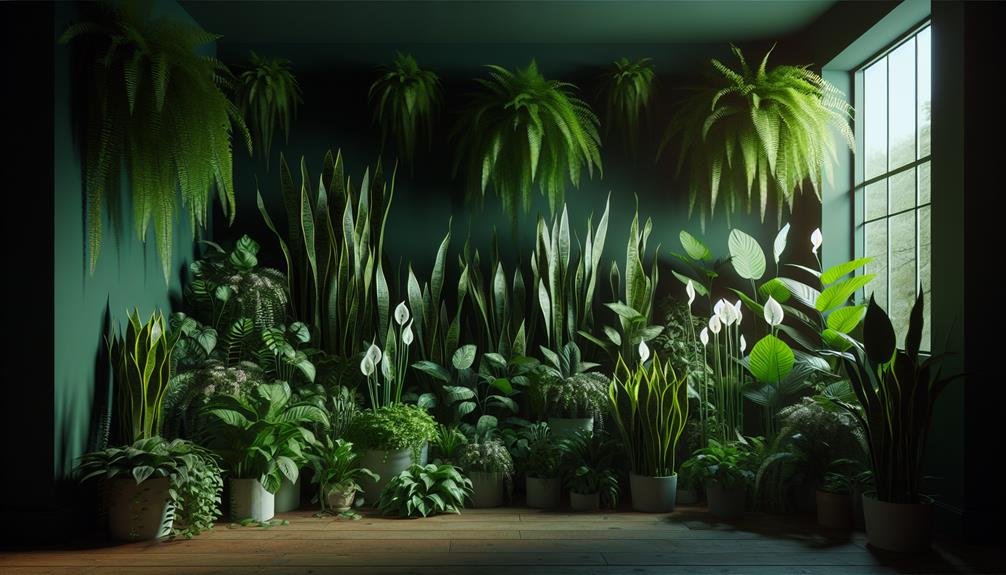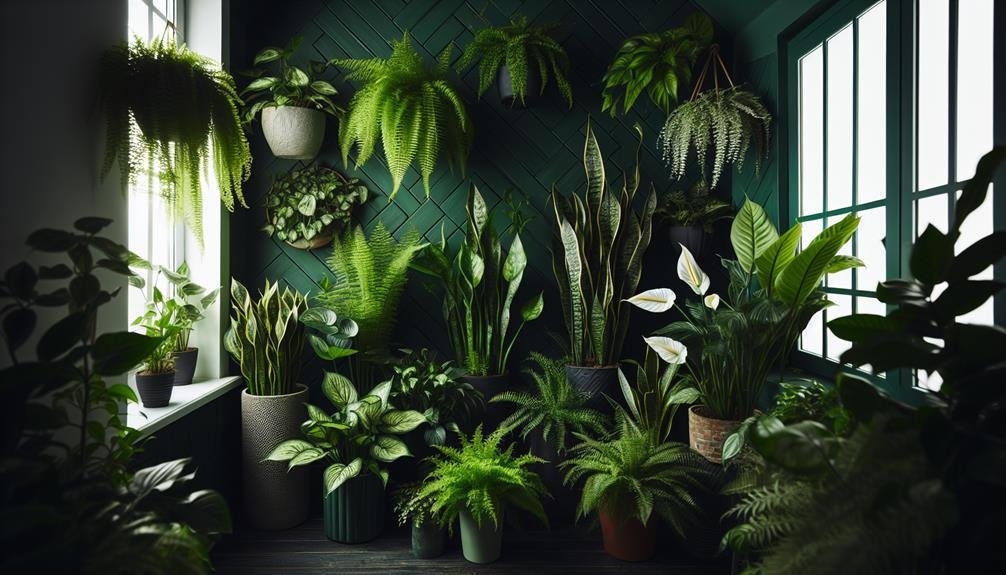
You've diligently cared for your houseplants, but watering them is like walking a tightrope – one wrong step, and disaster strikes.
Imagine a scenario where your lush greenery starts wilting, leaves turning yellow, and growth stunted. What could be causing this botanical catastrophe?
Let's explore common mistakes in watering houseplants that could be lurking in your home, waiting to sabotage your green oasis.
Overwatering: The Silent Killer
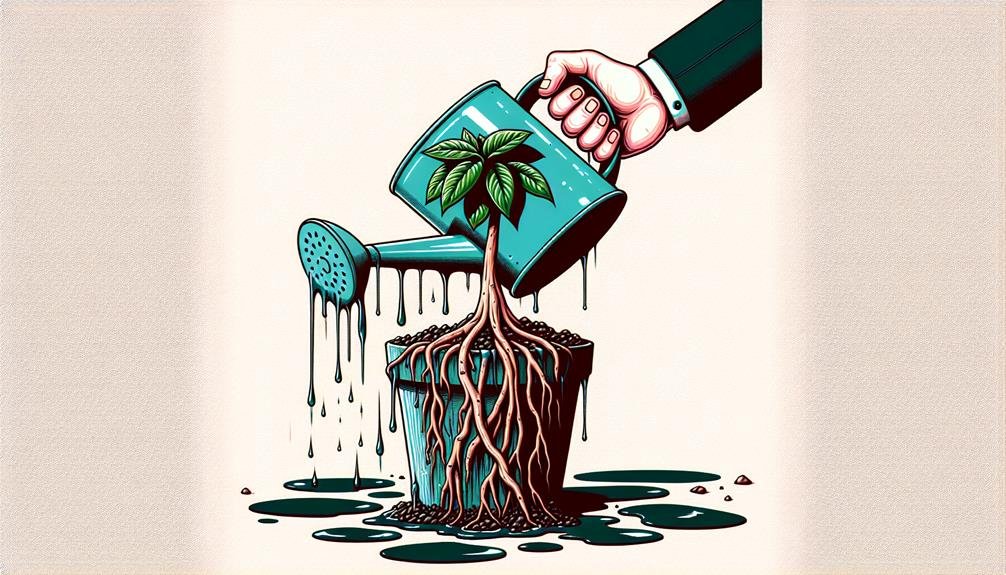
Avoid drowning your houseplants by being mindful of how much water you give them. Overwatering is the silent killer of many indoor plants. Too much water can lead to root rot, suffocating the roots and preventing them from absorbing nutrients. Signs of overwatering include yellowing leaves, wilting, and a musty smell emanating from the soil. To prevent overwatering, ensure that your pots have proper drainage holes so excess water can escape. Before watering, check the soil moisture by sticking your finger into the top inch; if it feels damp, hold off on watering. Remember, it's better to underwater than to overwater.
When you notice signs of overwatering, act promptly. Remove the plant from its pot, inspect the roots for mushiness or a foul odor, and trim away any affected areas. Repot the plant in fresh, well-draining soil, and adjust your watering schedule accordingly. Prevention is key, so establish a consistent watering routine based on your plant's individual needs to keep it thriving.
Underwatering: A Slow Demise
Don't underestimate the detrimental effects of underwatering on your houseplants; it can lead to a slow demise if not addressed promptly. When you consistently forget to water your plants or water them sparingly, they suffer. Initially, you may notice wilting leaves, dry soil, and a general lack of vibrancy in your plant. As underwatering persists, the leaves may become crispy, brittle, and start falling off. The plant's growth slows down, and it may even stop flowering or producing new leaves altogether.
Your houseplant's roots will also suffer under these conditions. With inadequate water, the roots struggle to absorb nutrients, leading to a weakened root system. This weak root system not only affects the current health of the plant but also its future growth potential. If left unchecked, underwatering can ultimately result in the death of your beloved houseplant. Remember, just as overwatering can harm your plants, neglecting their water needs can be equally detrimental.
Improper Drainage: Drowning Roots
Improper drainage can result in drowning roots, posing a serious threat to the health of your houseplants. When excess water accumulates in the soil and there's no way for it to escape, the roots are deprived of oxygen, leading to root rot. This condition can quickly escalate, causing irreversible damage to your plant.
To prevent drowning roots, always ensure your pots have drainage holes at the bottom. These holes allow excess water to escape, keeping the soil's moisture levels in check. When watering, observe if water starts pooling at the base of the pot; if it does, you may be overwatering or lacking proper drainage.
If you suspect your plant is experiencing root rot due to poor drainage, take immediate action. Repot your plant in well-draining soil and trim any mushy or blackened roots. Adjust your watering schedule and monitor the soil's moisture levels closely to prevent further damage. Remember, proper drainage is key to maintaining healthy roots and thriving houseplants.

Inconsistent Watering: Stressful Fluctuations
Inadequate or irregular watering can lead to stressful fluctuations in soil moisture levels, impacting the health of your houseplants. When you water your plants inconsistently, the soil may go from overly dry to waterlogged, causing undue stress on the roots. This fluctuation can lead to root rot, nutrient deficiencies, wilting, and even death of the plant.
Your houseplants rely on a consistent watering schedule to thrive. Fluctuating moisture levels can disrupt the balance of oxygen and water in the soil, making it harder for the roots to absorb nutrients. As a result, your plants may exhibit symptoms of distress, such as yellowing leaves, stunted growth, or pest infestations.
To prevent these issues, make sure to water your houseplants consistently, taking into account their individual needs for moisture. Check the soil regularly to gauge when watering is necessary, and avoid overcompensating for missed watering sessions. By maintaining a steady watering routine, you can help your houseplants flourish and avoid the stress of fluctuating soil moisture levels.
Ignoring Plant Needs: Fatal Neglect
By neglecting your houseplant's specific needs, you're setting them up for potential failure and even death. Each plant has unique requirements for light, water, humidity, and temperature. Ignoring these individual needs can have dire consequences. For instance, placing a high-light plant in a low-light environment will lead to stunted growth and eventually withering leaves. Conversely, overwatering a succulent that thrives in arid conditions can cause root rot and ultimately kill the plant.
Understanding your plant's species and its preferences is crucial for its well-being. Researching about your plant's specific needs in terms of watering frequency, light exposure, and soil type will enable you to create an environment where it can flourish. Regularly inspecting your plant for signs of distress, such as yellowing leaves or wilting, and adjusting your care routine accordingly can prevent fatal neglect.
Frequently Asked Questions
Can I Use Tap Water to Water My Houseplants, or Should I Use Filtered Water?
You can definitely use tap water to water your houseplants.
Tap water is generally fine for most plants, but if you notice any sensitivity or mineral buildup, consider switching to filtered water.
Remember, consistency in watering is key for plant health, so find a routine that works best for you and your green friends.
Trust your instincts and observe how your plants respond to different watering methods.
What Are Some Signs That My Houseplant May Be Getting Too Much Sunlight?
If your houseplant is getting too much sunlight, you might notice signs like:
- Wilting leaves
- Scorched or yellowing foliage
- A general drooping appearance
Sunburn spots on the leaves can also indicate excessive sunlight exposure. Make sure to move your plant to a spot with less direct light to prevent further damage.
Keep an eye on these signs to ensure your plant thrives in the right amount of sunlight.
How Often Should I Fertilize My Houseplants, and What Type of Fertilizer Is Best?
You should fertilize your houseplants every 4-6 weeks during their growing season. Use a balanced liquid fertilizer diluted to half strength.
Make sure to water your plants before fertilizing to prevent root burn. Choose a fertilizer specifically made for houseplants, as they have the right nutrients for indoor plants.
Are There Any Specific Types of Pots or Containers That Are Better for Promoting Proper Drainage?
When choosing pots for your houseplants, opt for containers with drainage holes to promote proper drainage. This helps prevent water from pooling at the bottom and causing root rot.
Terra cotta pots are a popular choice as they're porous and allow excess moisture to evaporate. Remember, good drainage is key to keeping your plants healthy and thriving.
Choose pots that help prevent overwatering to maintain a happy plant environment.
Is It Necessary to Repot My Houseplants Every Year, or Only When They Outgrow Their Current Container?
You should only repot your houseplants when they outgrow their current container. Repotting every year can cause unnecessary stress to your plants and disrupt their growth cycle.
Keep an eye on the roots for any signs of overcrowding or if they start to grow out of the drainage holes. When your plant shows these signs, it's time to consider repotting into a larger container to give it room to thrive.
Conclusion
In conclusion, remember to water your houseplants with care and attention. Avoid overwatering, underwatering, improper drainage, inconsistent watering, and neglecting your plants' specific needs.
By being mindful of these common mistakes, you can help your houseplants thrive and flourish. So, take the time to understand your plant's requirements and provide them with the right amount of water to ensure their health and longevity.
Your green friends will thank you for it!