Did you know that over 90% of houseplant issues are related to improper watering techniques?
Many plant enthusiasts struggle to find the right balance, leading to common mistakes that can harm your beloved green friends.
From overwatering to using the wrong water temperature, there are several pitfalls to avoid if you want your houseplants to thrive.
Understanding these mistakes and how to rectify them can make a significant difference in the health and longevity of your indoor garden.
Overwatering
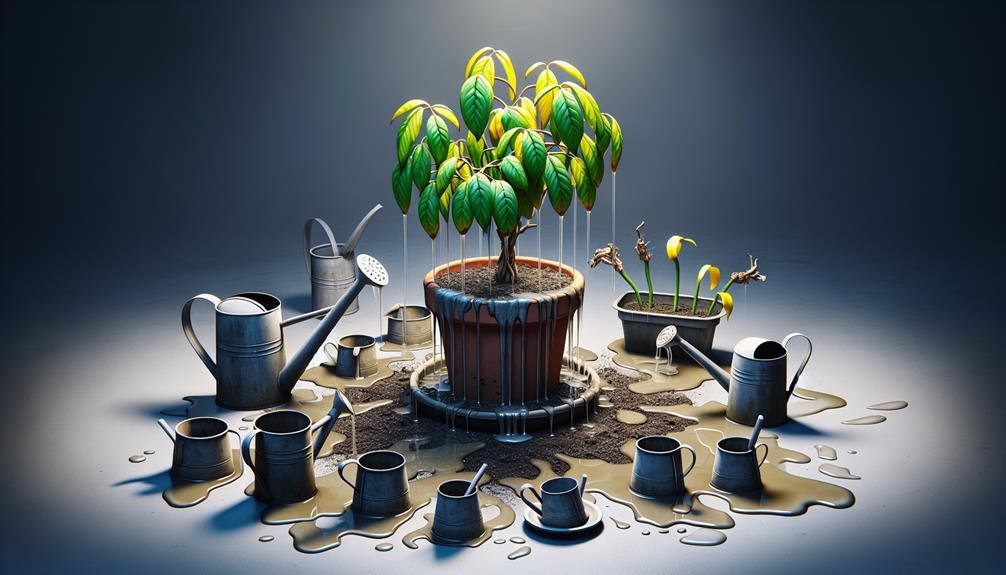
If you notice that your houseplant's soil is constantly soggy, you may be overwatering it. Overwatering is a common mistake that many plant owners make. When you water your plant too frequently or give it more water than it needs, the roots can become waterlogged, leading to root rot. This can prevent the plant from absorbing essential nutrients and ultimately result in its decline.
To avoid overwatering your houseplants, it's crucial to establish a proper watering schedule. Before watering, always check the soil's moisture level by sticking your finger about an inch into the soil. If it feels damp, hold off on watering. Additionally, make sure your plant's pot has drainage holes to allow excess water to escape. Consider using a moisture meter to accurately gauge when your plant truly needs watering.
Underwatering
Underwatering your houseplants can be just as damaging as overwatering them, leading to wilting and stunted growth. When you neglect to water your plants enough, their roots can't access the moisture they need to thrive. Signs of underwatering include dry, crispy leaves, slow growth, and soil that pulls away from the pot's edges. If you notice these symptoms, it's crucial to adjust your watering routine promptly.
To prevent underwatering, check your plants regularly by inserting your finger into the soil. If it feels dry an inch below the surface, it's time to water. Different plants have varying watering needs, so research the specific requirements of each plant in your care. Remember, it's better to slightly underwater and adjust accordingly than to drown your plants with excess water.
Proper watering is essential for the health of your houseplants, so make sure to strike the right balance between not enough and too much water. By staying attentive and adjusting your watering habits as needed, you can help your plants thrive and grow beautifully.
Improper Drainage
Neglecting proper drainage for your houseplants can lead to detrimental consequences, jeopardizing their health and growth. When your plants are sitting in pots without drainage holes, excess water has nowhere to escape. This causes the soil to become waterlogged, leading to root rot as the roots suffocate and decay due to lack of oxygen.

Without proper drainage, salts from fertilizers and minerals in the water can accumulate in the soil, causing nutrient imbalances that harm your plants.
To prevent these issues, always choose pots with drainage holes and place a saucer underneath to catch any excess water that drains out. If you have decorative pots without drainage, consider double potting by placing your plant in a plastic container with drainage holes inside the decorative pot. This way, you can ensure proper drainage while maintaining the aesthetic appeal of your houseplants.
Inconsistent Watering Schedule
Maintaining a consistent watering schedule is essential for the health and vitality of your houseplants. It's crucial to water your plants regularly to provide them with the moisture they need to thrive. Inconsistent watering can lead to stress for your plants, causing issues like wilting, yellowing leaves, and stunted growth.
When you water your houseplants sporadically, it disrupts their natural rhythm and can make it challenging for them to establish a healthy root system. Plants rely on a consistent supply of water to absorb nutrients effectively and support their growth. Without a dependable watering schedule, your plants may struggle to uptake essential minerals and suffer from nutrient deficiencies.
To avoid the pitfalls of inconsistent watering, try to establish a routine based on your plant's specific needs. Consider factors like the plant type, size of the pot, and environmental conditions when creating a watering schedule. By providing your houseplants with a consistent watering routine, you can help them flourish and enhance the beauty of your indoor space.
Using the Wrong Water Temperature
Using the incorrect water temperature when watering your houseplants can have negative consequences on their health and growth. Extreme temperatures, whether too hot or too cold, can shock the roots and disrupt the plant's ability to absorb nutrients properly. Water that's too cold may also cause stress to the plant, leading to stunted growth or yellowing leaves. On the other hand, hot water can scald the roots, causing irreversible damage. It's crucial to use lukewarm water, around room temperature, to avoid these issues.
When watering your houseplants, make sure to let the water sit out for a bit before using it. Cold water straight from the tap can be too chilly for your plants, while hot water can be harmful. Allowing the water to reach room temperature before watering ensures a gentle experience for your plants. Remember, consistency is key when caring for your houseplants, and using the right water temperature is a simple yet crucial step in promoting their well-being.
Frequently Asked Questions
Can Using Tap Water With High Levels of Minerals or Chemicals Harm My Houseplants?
Using tap water with high levels of minerals or chemicals can harm your houseplants. These substances can accumulate in the soil, leading to nutrient imbalances and root damage. Over time, this can affect the overall health and growth of your plants.
To prevent this, consider using filtered or distilled water for watering. Your houseplants will thank you for providing them with the best care possible.
How Often Should I Fertilize My Houseplants and How Does It Affect Watering Requirements?
When it comes to fertilizing your houseplants, it's important to follow a schedule based on the specific needs of each plant.
Fertilizing can impact watering requirements because it affects the nutrient levels in the soil. Some fertilizers may require more frequent watering to prevent nutrient buildup, while others may alter the pH levels, affecting how plants absorb water.
Be sure to research your plant's needs and adjust your watering routine accordingly.
Are Self-Watering Pots a Good Solution for Avoiding Overwatering?
Self-watering pots can be a great solution for avoiding overwatering. They provide a reservoir that allows the plant to absorb water as needed, reducing the risk of drowning the roots.
Make sure to monitor the water level in the reservoir to prevent any issues.
Can Using a Water Softener Affect the Health of My Houseplants?
Using a water softener can indeed affect the health of your houseplants. The high salt content in softened water can harm plants by disrupting their ability to absorb essential nutrients.
This can lead to stunted growth, leaf browning, and overall decline in plant health.
It's advisable to avoid using water softeners for watering your houseplants and opt for distilled water or rainwater instead to ensure their well-being.
Is It Necessary to Adjust My Watering Schedule During Different Seasons?
Adjusting your watering schedule during different seasons is crucial for your houseplants' health. As seasons change, so do their water needs.
In warmer months, plants may require more frequent watering due to higher evaporation rates. Conversely, during colder seasons, plants often need less water as they enter dormancy.
Conclusion
Remember, taking care of houseplants can be a delicate balance. By avoiding common mistakes like overwatering, underwatering, improper drainage, inconsistent watering schedules, and using the wrong water temperature, you can help your plants thrive and stay healthy.
Keep a close eye on your plants and adjust your watering habits as needed to ensure they receive the proper care they need to flourish.
Happy gardening!