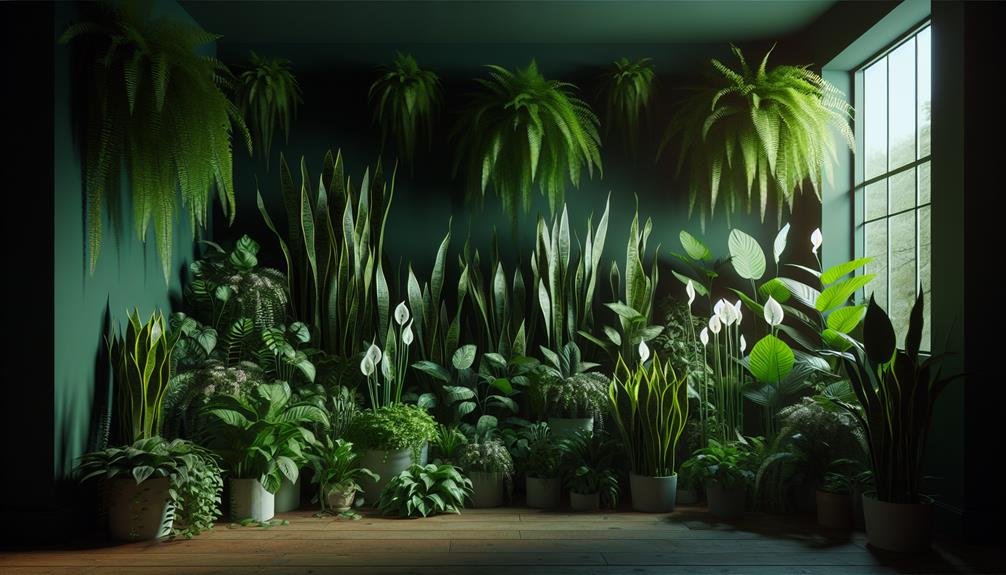
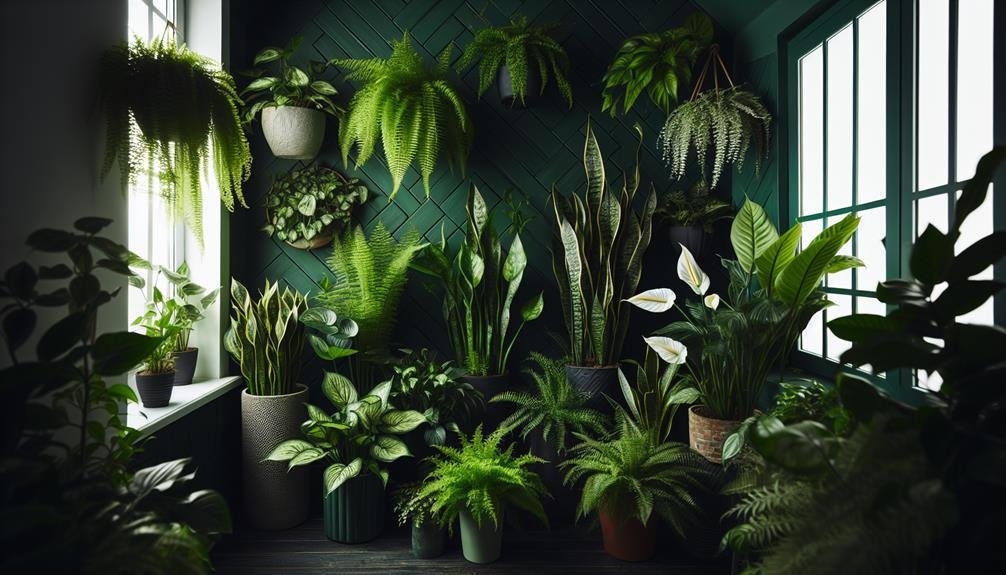
Imagine your living space as a canvas, with houseplants as the brushstrokes that bring life and vitality to your surroundings. As you consider the benefits of indoor and outdoor plants, have you ever pondered the distinct advantages each type offers?
From air purification to aesthetic appeal, there are various aspects to explore that cater to different preferences and needs. By examining the diverse benefits of both indoor and outdoor houseplants, you might uncover surprising insights that could elevate your plant-filled experience.
Health Benefits
Discover how indoor and outdoor houseplants can positively impact your health. Indoor plants aren't just decorative; they also purify the air by removing toxins and releasing oxygen. The presence of indoor plants can reduce stress, lower blood pressure, and improve overall well-being. Studies have shown that indoor plants can enhance concentration, productivity, and mood, making them beneficial additions to your home or workspace.
Outdoor houseplants offer additional health benefits by encouraging physical activity through gardening and providing a connection to nature. Gardening can be a therapeutic and stress-relieving activity that promotes relaxation and mindfulness. Engaging with outdoor plants exposes you to fresh air and sunlight, which can boost your mood and vitamin D levels. Furthermore, growing your own fruits, vegetables, or herbs can lead to a healthier diet and lifestyle. Overall, incorporating both indoor and outdoor houseplants into your living spaces can contribute to a healthier and happier you.
Aesthetics and Decor
Indoor and outdoor houseplants not only offer health benefits but also play a significant role in enhancing the aesthetics and decor of your living spaces. Adding houseplants to your home can instantly liven up any room, bringing a touch of nature indoors. The vibrant colors of flowers or the lush green foliage of plants can complement your existing decor and create a more inviting atmosphere.
Strategic placement of houseplants can also help in defining spaces within a room. Large, leafy plants can act as natural room dividers, adding a sense of privacy or coziness to specific areas. Additionally, incorporating hanging plants or vertical gardens can draw the eye upward, making rooms appear larger and ceilings higher.
Moreover, houseplants can serve as decorative accents, adding texture and visual interest to shelves, tables, or empty corners. With a wide variety of plant species available, you can mix and match different shapes, sizes, and colors to create a personalized and aesthetically pleasing indoor oasis.
Maintenance and Care
Ensuring the proper maintenance and care of your houseplants is essential for their health and longevity. Regular watering is vital; the frequency depends on the plant type and environmental conditions. Check the soil moisture by inserting a finger; if it feels dry, it's time to water. Overwatering can lead to root rot, so make sure pots have drainage holes.
Dust off leaves regularly to allow for proper photosynthesis. Prune dead or yellowing leaves to encourage new growth. Fertilize your plants according to their specific needs, typically during the growing season. Keep an eye out for pests like aphids or spider mites, and address them promptly with natural or chemical solutions. Rotate your plants occasionally to ensure even growth.
Seasonal Adaptability
To ensure your houseplants thrive year-round, understanding their seasonal adaptability is key. Different plants have varying needs depending on the time of year. Indoor plants may require more frequent watering during the winter months when indoor heating can dry out the air. On the other hand, outdoor plants may need to be brought inside during colder seasons to protect them from frost.

Seasonal changes affect the amount of sunlight available to your plants. In the winter, the sun's position in the sky changes, potentially reducing the amount of light your houseplants receive. It's essential to monitor this and consider moving your plants to sunnier spots if needed. Conversely, during the summer, some plants may require more shade to prevent sunburn.
Understanding the seasonal needs of your houseplants will help you create an environment where they can thrive. By adjusting care routines and monitoring light exposure, you can ensure that your plants remain healthy and vibrant throughout the year.
Psychological Well-being
Understanding the impact of houseplants on your psychological well-being can significantly enhance your overall quality of life. The presence of indoor or outdoor plants can have a profound effect on your mental health. Research suggests that interacting with houseplants can reduce stress, anxiety, and depression. The simple act of caring for a plant, such as watering it or repotting it, can provide a sense of purpose and accomplishment, boosting your mood and self-esteem.
Moreover, houseplants have been shown to improve concentration and productivity. Having plants in your indoor spaces or creating a garden outdoors can create a calming environment that enhances cognitive function and creativity. The greenery and natural elements of plants can help in creating a peaceful atmosphere, promoting relaxation and reducing feelings of tension.
Incorporating houseplants into your living or working spaces can also foster a sense of connection to nature, even when indoors. This connection can evoke feelings of happiness, contentment, and overall well-being. Ultimately, the presence of houseplants can positively impact your psychological well-being, making them a valuable addition to your daily life.
Frequently Asked Questions
Can Indoor Houseplants Help Improve Indoor Air Quality?
Indoor houseplants can indeed help improve indoor air quality. They've the ability to absorb harmful pollutants and release oxygen, creating a healthier environment for you to breathe in.
Are There Specific Outdoor Houseplants That Are More Resistant to Pests and Diseases?
When it comes to outdoor houseplants, some varieties are indeed more resistant to pests and diseases. Certain plants like marigolds, lavender, and petunias have natural defenses that make them less susceptible to common garden pests.
How Often Should Houseplants Be Repotted for Optimal Growth?
For optimal growth, you should repot houseplants every 1 to 2 years. This practice helps prevent root-bound conditions and allows plants to access fresh nutrients. Signs that a plant needs repotting include roots growing out of the drainage holes or appearing crowded in the pot.
Choose a slightly larger pot with good drainage, fresh potting mix, and gently loosen the roots during repotting to promote healthy growth.
What Are Some Unique Ways to Display Houseplants in a Home or Office Setting?
When showcasing houseplants in your living or workspace, get creative with different displays. Consider hanging plants in macrame holders to add a boho touch, or place them on floating shelves for a modern look.
Grouping plants of various sizes together can create a lush and dynamic arrangement, while repurposing vintage containers or using trendy plant stands can add personality to your space.
Experiment with different setups to find what suits your style best.
Are There Any Houseplants That Can Thrive in Both Indoor and Outdoor Environments?
Some houseplants can indeed thrive in both indoor and outdoor environments. This adaptability allows you to enjoy their benefits in various settings. Factors like light exposure, temperature, and moisture levels play crucial roles in determining if a plant can flourish in both conditions.
Researching specific plant requirements will help you select varieties that can transition seamlessly between indoor and outdoor spaces, providing you with flexibility in your gardening choices.
Conclusion
In conclusion, both indoor and outdoor houseplants offer a range of benefits for your health, home decor, and well-being.
Whether you prefer the convenience of indoor plants or the natural beauty of outdoor plants, incorporating greenery into your living space can enhance your overall quality of life.
So go ahead and add some plants to your home, and enjoy all the positive effects they bring!