When it comes to low light plants, finding options that require minimal effort can feel like searching for a needle in a haystack. But fear not, as we have narrowed down the top contenders that not only thrive in dim conditions but also demand little attention.
From resilient snake plants to the delicate peace lily, each plant brings its unique charm to your indoor space. As you explore the nuances of these low light champions, you'll uncover valuable insights that could transform your plant care routine.
Benefits of Low Light Plants
When choosing low light plants, you can enjoy the benefits of easy maintenance and versatility in various indoor settings. These plants are perfect for those looking to add greenery to spaces with limited natural light. With low light plants, you won't have to worry about constantly moving them around to find the perfect spot by a window.
Low light plants are resilient and can thrive in areas where other plants might struggle. They're excellent options for offices, bathrooms, or any room with minimal sunlight. This versatility allows you to incorporate greenery into your living or workspace without the hassle of complicated care routines.
Additionally, low light plants are great for beginners or individuals with busy schedules. You can enjoy the beauty of plants without the need for constant attention or specialized care. These plants are truly a low-maintenance option for anyone looking to enhance their indoor environment with natural elements.
Top 5 Low Light Plant Varieties
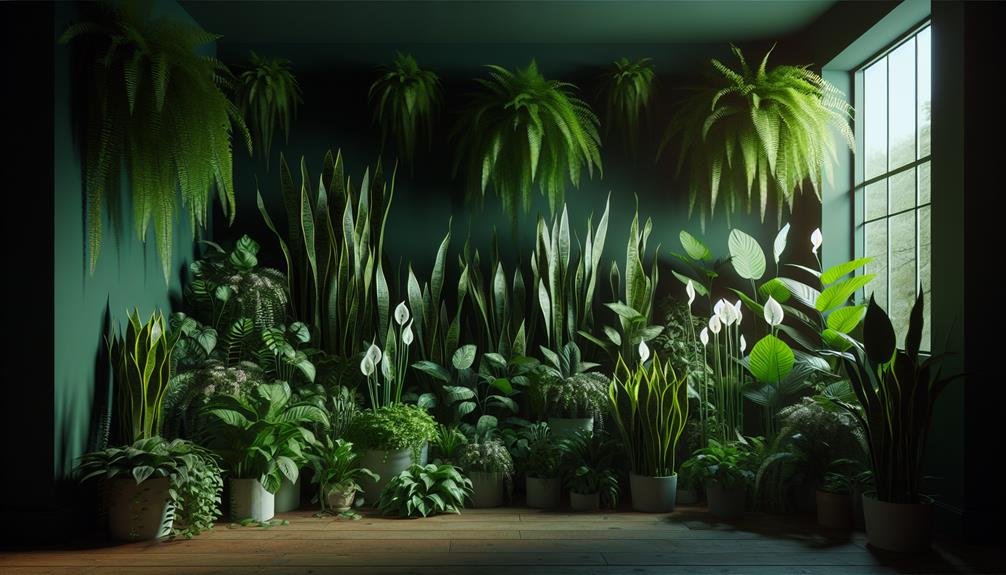
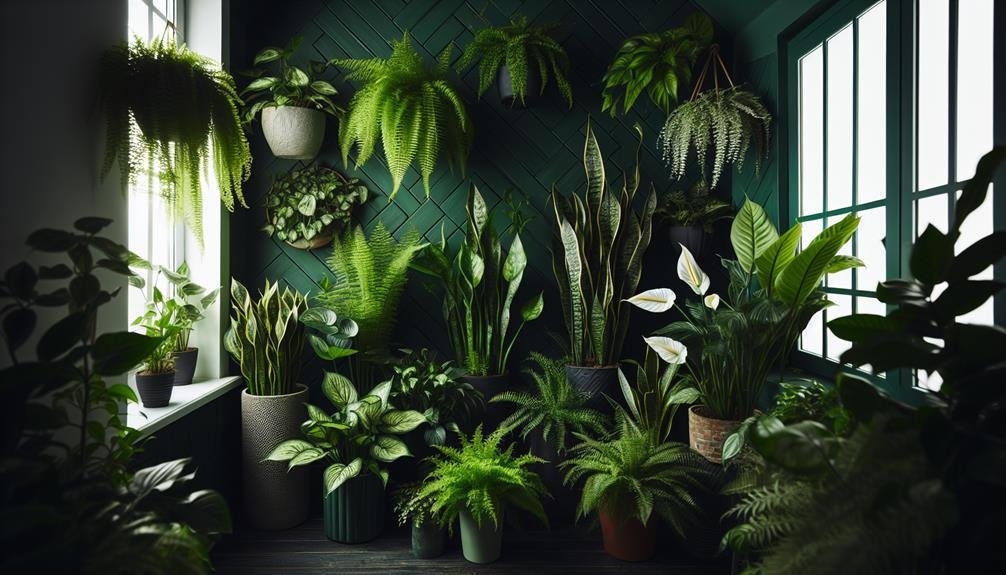
Low light plants offer a range of options for adding greenery to your space, and among them, five varieties stand out for their adaptability and beauty. The Peace Lily is a popular choice known for its elegant white blooms and air-purifying qualities.
Spider Plants are another excellent option, with their cascading foliage and easy care requirements. If you're looking for a unique plant, consider the Snake Plant, which features striking upright leaves and can thrive in low light conditions.
The ZZ Plant is perfect for beginners, as it's extremely low maintenance and can tolerate neglect. Lastly, the Pothos plant is a versatile option that can trail or climb, making it ideal for various indoor spaces.
These top five low light plant varieties not only add a touch of green to your surroundings but also bring a sense of tranquility and freshness to your home with minimal effort.
Care Tips for Low Light Plants
To ensure the health and longevity of your low light plants, proper care and attention are essential. When caring for low light plants, remember that they thrive in indirect sunlight and require minimal watering. Overwatering can be detrimental, so allow the soil to dry out slightly between waterings. Fertilize your low light plants sparingly, as they generally require less nutrients compared to plants in brighter conditions.

Dust the leaves regularly to ensure they can efficiently absorb light for photosynthesis. Prune any yellowing or dead leaves to promote new growth and prevent the spread of disease. Monitor the humidity levels around your low light plants, as some species may benefit from occasional misting. Keep an eye out for pests like spider mites or mealybugs, and treat them promptly to prevent damage to your plants.
Comparing Growth Patterns
Comparing the growth patterns of different low light plants can provide valuable insights into their unique characteristics and requirements. Some low light plants, like snake plants and pothos, have a vertical growth pattern, making them ideal for narrow spaces or to add height to your indoor garden. On the other hand, plants like peace lilies and spider plants have a more bushy growth habit, perfect for filling out empty corners or creating a lush display on a tabletop. Understanding these growth patterns can help you choose the right plants to achieve the look you desire in your space.
Additionally, some low light plants, such as ZZ plants and lucky bamboo, have slow growth patterns, requiring minimal pruning and maintenance. Others, like English ivy and philodendrons, are fast growers, meaning you may need to repot or prune them more frequently to keep them in check. By comparing the growth patterns of different low light plants, you can select ones that align with your care preferences and aesthetic goals.
Troubleshooting Common Issues
When facing issues with your low light plants, understanding common problems and their solutions can help you maintain a healthy indoor garden.
One common issue is overwatering. If you notice wilting, yellowing leaves, or soil that's constantly wet, you may be overwatering. To remedy this, allow the soil to dry out between waterings and adjust your watering schedule accordingly.
On the other hand, underwatering can lead to dry, crispy leaves. Ensure you water your plants thoroughly when the top inch of soil feels dry.
Another issue to watch out for is poor drainage. If water is pooling at the bottom of the pot, consider repotting your plant in a container with drainage holes.
Pests like spider mites or fungus gnats can also infest low light plants. Regularly inspect your plants for any signs of pests and treat them promptly using appropriate methods.
Frequently Asked Questions
Are Low Light Plants Suitable for Offices With Artificial Lighting?
Low light plants can thrive in offices with artificial lighting. They're a great option for spaces that lack natural sunlight. These plants are adaptable to different light conditions and can still grow and look vibrant in office settings.
With minimal effort, you can enjoy the benefits of having greenery in your workspace while adding a touch of nature to your environment. Consider low light plants for your office to bring some life indoors.
Can Low Light Plants Help Improve Indoor Air Quality?
Low light plants are great for improving indoor air quality. They help by absorbing toxins and releasing oxygen, creating a healthier environment for you.
These plants require little maintenance and are perfect for spaces with limited natural light. Adding low light plants to your indoor spaces can make a big difference in the air quality, promoting a fresher and cleaner atmosphere for you to enjoy.
What Are the Benefits of Choosing Low Light Plants Over Other Types of Houseplants?
When opting for low light plants, you enjoy benefits like minimal maintenance and the ability to thrive in spaces with less sunlight. Low light plants are great for adding greenery to rooms with limited natural light.
Their easy care requirements make them ideal for busy individuals or beginners in gardening. By choosing low light plants, you can effortlessly enhance your indoor space with vibrant, leafy goodness.
Are There Any Low Light Plants That Are Safe for Pets?
When selecting low light plants for your home, it's crucial to consider your pets' safety. Some low light plants that are safe for pets include spider plants, Boston ferns, and African violets.
These options not only thrive in low light conditions but also won't harm your furry friends if they decide to take a curious nibble.
Keeping your pets' well-being in mind when choosing houseplants ensures a happy and healthy environment for everyone.
How Do Low Light Plants Compare in Terms of Water Requirements Compared to Other Types of Plants?
When it comes to comparing low light plants to other types, water requirements vary. Low light plants generally need less water than their sun-loving counterparts. They've adapted to thrive in lower light conditions, which usually means they don't require frequent watering.
It's essential to check the specific care instructions for each plant, but in general, low light plants are a low-maintenance option when it comes to watering.
Conclusion
Overall, low light plants are a great option for those looking to add greenery to their space with minimal effort. Whether you choose a snake plant, pothos, or peace lily, these plants are easy to care for and can thrive in low light conditions.
By following some simple care tips and troubleshooting common issues, you can enjoy the benefits of these beautiful plants without a lot of maintenance.
So go ahead and add some low light plants to your home or office for a touch of nature!