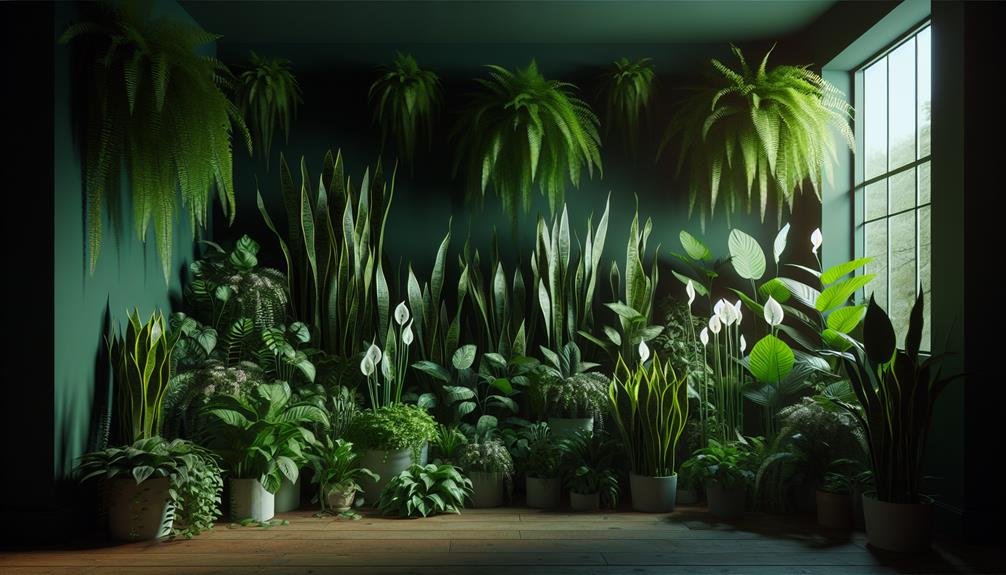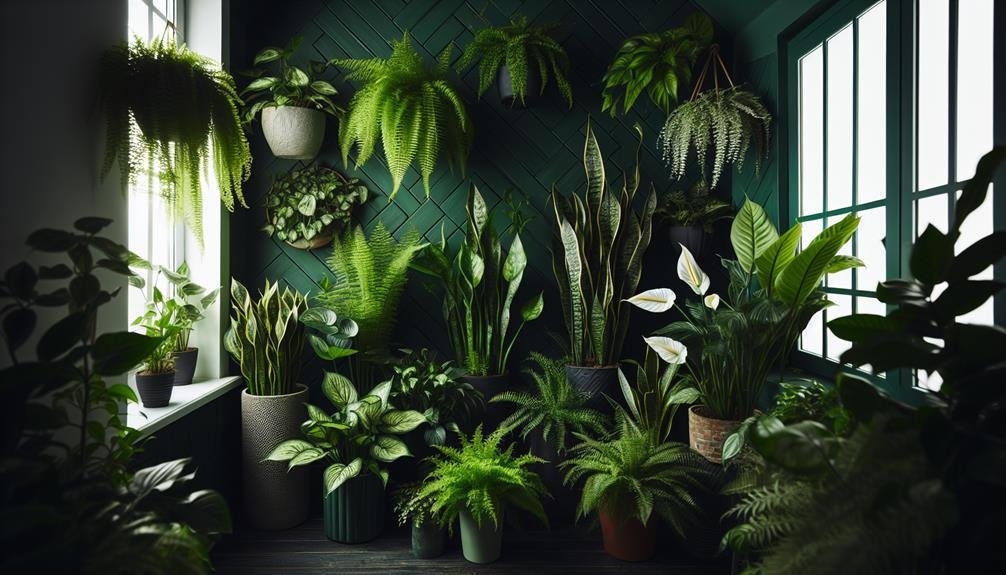
To care for your Dracaena Deremensis successfully, place it in bright, indirect light and water moderately, making sure well-draining soil, rotate for even growth, and avoid overwatering to prevent root rot. Repot every 2-3 years using a slightly larger pot with drainage holes. Maintain temperatures between 65-80°F and humidity around 40-50%. Prune to shape and remove yellowing leaves. Combat pests promptly and propagate through stem cuttings or air layering for reproduction. Mastering these care essentials will help your Dracaena thrive and flourish.
Plant Overview
When caring for Dracaena Deremensis, understanding its basic characteristics is essential. This plant, also known as the Madagascar Dragon Tree, boasts long, slender leaves that can grow up to three feet in length. Its vibrant green foliage adds a touch of elegance to any space, making it a popular choice for both homes and offices. Dracaena Deremensis is known for its air-purifying qualities, helping to improve the air quality in your surroundings.
To care for this plant properly, it's important to provide it with well-draining soil and moderate watering. Avoid overwatering, as this can lead to root rot. Dracaena Deremensis thrives in moderate to bright indirect light but can also tolerate lower light conditions. Regularly dusting the leaves with a damp cloth will help the plant photosynthesize efficiently.
Understanding the basic characteristics of Dracaena Deremensis will set you on the right path to ensuring its health and vitality in your home or workspace.
Light Requirements
To guarantee the health of your Dracaena Deremensis, understanding its light requirements is essential. These plants thrive in bright, indirect light but can also tolerate lower light conditions. Ideally, place your Dracaena Deremensis near a window where it can receive filtered sunlight throughout the day. If direct sunlight hits the leaves for extended periods, it could lead to scorching.
If you notice your plant leaning towards the light source, rotate it occasionally to make sure even growth. Insufficient light can result in leggy growth, where the stems become elongated with sparse foliage. On the other hand, too much direct sunlight can cause the leaves to become scorched and turn brown. Finding the right balance is key to keeping your Dracaena Deremensis happy and healthy.
Watering Needs
Understanding the watering needs of your Dracaena Deremensis is essential for maintaining its health and vitality. These plants prefer moderate watering, allowing the top inch of soil to dry out between waterings. Overwatering can lead to root rot, so it's important to guarantee proper drainage in the pot. When watering your Dracaena, make sure to water thoroughly but allow excess water to drain away.
During the growing season, typically spring and summer, you may need to water more frequently as the plant is actively growing. In contrast, reduce watering in the winter months when growth slows down.
To check if your Dracaena needs watering, insert your finger into the soil. If the top inch feels dry, it's time to water. Using room temperature water is best, as cold water can shock the plant. Remember not to let your Dracaena sit in water for prolonged periods, as this can lead to issues like yellowing leaves and root rot. Maintaining a balanced watering routine will help your Dracaena thrive and remain healthy.
Soil and Potting
Maintaining appropriate soil conditions and selecting the right pot are vital for the well-being of your Dracaena Deremensis. When it comes to soil, guarantee good drainage by using a well-draining potting mix. A combination of peat, perlite, and sand works well to prevent waterlogging, which can lead to root rot. Repot your Dracaena every 2-3 years, checking for crowded roots and renewing the soil.

Choose a pot that's slightly larger than the current one, allowing room for growth but not too spacious to hold excess water. Opt for a pot with drainage holes at the bottom to prevent water from accumulating at the roots. Keep in mind that a healthy root system is essential for the overall health of your plant.
Temperature and Humidity
Maintaining a consistent temperature range between 65-80°F and moderate humidity levels is essential to ensure the optimal growth of your Dracaena Deremensis. This plant flourishes in temperatures that are comfortable for you, so if you feel good in the setting, chances are your Dracaena will too. Avoid placing it near drafty windows or vents that might cause temperature fluctuations. Strive to keep the humidity levels around 40-50%, which can be achieved by misting the plant occasionally or using a humidifier nearby.
Ensuring the right temperature and humidity levels for your Dracaena Deremensis is vital for its overall health and growth. Extreme temperature changes or high humidity can stress the plant, leading to issues like yellowing leaves or root rot. By maintaining a stable environment, you're setting the stage for your plant to thrive and remain vibrant. Remember, a happy plant means a happy you!
Pruning Tips
To keep your Dracaena Deremensis looking its best, occasional pruning can help maintain its shape and promote new growth. When pruning your plant, start by inspecting for any yellowing or browning leaves, as these can sap energy from the healthy parts. Use sharp, clean shears to make precise cuts at a 45-degree angle. Remove any dead, damaged, or overgrown foliage to encourage the plant to focus its energy on producing new leaves.
Remember to cut just above the node or joint where the leaf meets the stem. This will promote new growth in that area. Pruning can also help control the plant's size and shape, making it more aesthetically pleasing in your space. Be mindful not to remove more than one-third of the plant's foliage at a time to avoid stressing it.
Regular pruning every few months will keep your Dracaena Deremensis thriving and looking its best.
Pest Control
When dealing with pest control for Dracaena Deremensis, it's crucial to regularly inspect your plant for any signs of infestation. Pests, such as spider mites, mealybugs, and scale insects, can harm your plant if left unchecked. To guarantee infestations, wipe the leaves with a damp cloth regularly to remove dust and keep pests at bay. If you notice any pests, isolate the plant to prevent them from spreading to other plants.
For a natural approach to pest control, consider using neem oil or insecticidal soap. These options are effective in managing common pests without harming your Dracaena Deremensis or the environment. Remember to follow the instructions carefully when applying any pest control solution to avoid damaging your plant.
In severe infestations, you may need to resort to chemical pesticides. However, exercise caution when using these products and make sure they're suitable for use on your plant. Always read the labels and apply the pesticides according to the recommended guidelines. By staying vigilant and addressing pest issues promptly, you can guarantee your Dracaena Deremensis remains healthy and pest-free.
Propagation Techniques
For successful propagation of Dracaena Deremensis, understanding the appropriate techniques is essential. One common method is through stem cuttings. Begin by cutting a healthy stem just below a leaf node, ensuring it's around 4-6 inches long. Remove the lower leaves to expose the nodes, which are vital for root development. Dip the cut end in a rooting hormone to encourage growth, then plant it in a well-draining potting mix. Keep the soil consistently moist but not waterlogged, and place the cutting in a warm, bright location away from direct sunlight.
Another method is air layering. Select a healthy stem and make a slanted cut about halfway through the stem. Dust the cut with rooting hormone and wrap it with moist sphagnum moss. Cover the moss with plastic wrap to create a humid environment and wait for roots to form. Once roots are established, cut below the moss and plant the rooted section in a pot.
With patience and proper care, you can successfully propagate your Dracaena Deremensis using these techniques.
Frequently Asked Questions
Can Dracaena Deremensis Be Grown Outdoors in Colder Climates?
Yes, Dracaena Deremensis can be grown outdoors in colder climates, but it's important to provide proper care. Make sure the plant is shielded from harsh winds and frost to prevent damage. Consider using mulch around the base for added insulation.
Additionally, watering frequency may need adjustment to accommodate the cooler temperatures. With attentive care, your Dracaena Deremensis can thrive outdoors even in colder climates.
Are There Any Specific Fertilizers or Plant Foods That Are Best for Dracaena Deremensis?
For your Dracaena Deremensis, choose a balanced liquid fertilizer with equal N-P-K ratios, like 10-10-10, diluted to half strength. Apply every 2-4 weeks during the growing season, spring through summer. Avoid over-fertilizing, as it can harm your plant.
Slow-release fertilizers can also work well. Remember to follow the instructions on the fertilizer label. Consistent feeding will help your Dracaena thrive and maintain its health and vibrancy.
How Often Should I Repot My Dracaena Deremensis Plant?
You should repot your dracaena deremensis plant every 2-3 years. Repotting helps prevent the roots from becoming cramped and allows for fresh soil to provide nutrients.
Choose a slightly larger pot than the current one to allow room for growth. During repotting, gently loosen the roots and add new soil mix.
Keep an eye out for signs like roots coming out the drainage holes or the plant becoming unstable in its current pot as indicators for when to repot.
Are There Any Common Diseases That Dracaena Deremensis Is Susceptible To?
Dracaena deremensis is prone to common diseases like root rot, leaf spot, and powdery mildew. These issues can arise due to overwatering, poor air circulation, or high humidity levels.
To prevent diseases, guarantee proper drainage, avoid waterlogging, and maintain moderate humidity. Regularly inspect your plant for any signs of discoloration, spots, or wilting leaves. Promptly address any problems to keep your Dracaena deremensis healthy and thriving.
Can Dracaena Deremensis Be Toxic to Pets if Ingested?
Yes, Dracaena Deremensis can be harmful to pets if ingested. The plant contains saponins that can be toxic to cats and dogs. Symptoms of poisoning may include vomiting, drooling, weakness, and dilated pupils.
It's important to keep your pets away from this plant to prevent any accidental ingestion. If you suspect your pet has consumed Dracaena Deremensis, contact your vet immediately for guidance on the next steps to guarantee your pet's health and safety.
Conclusion
To wrap up, tending to Dracaena deremensis involves providing it with the right amount of light, water, and proper soil. Regular pruning and monitoring for pests are essential for maintaining the plant's health. Propagation can also be done to expand your collection.
By following these guidelines, you can make sure that your Dracaena deremensis thrives and adds beauty to your indoor space. Remember to keep a close eye on its needs and make adjustments as necessary to promote its growth and well-being.