If you've noticed nibbled leaves and slimy trails on your indoor greenery, it's time to address the pesky problem of caterpillar infestations. These voracious larvae can wreak havoc on your beloved plants, but fear not, there are effective ways to combat their invasion.
From identifying the signs of caterpillar presence to implementing preventative measures and exploring natural and chemical control methods, you can regain control of your indoor garden.
Stay tuned to discover how to safeguard your plants and maintain a thriving indoor oasis.
Identifying Caterpillar Infestations
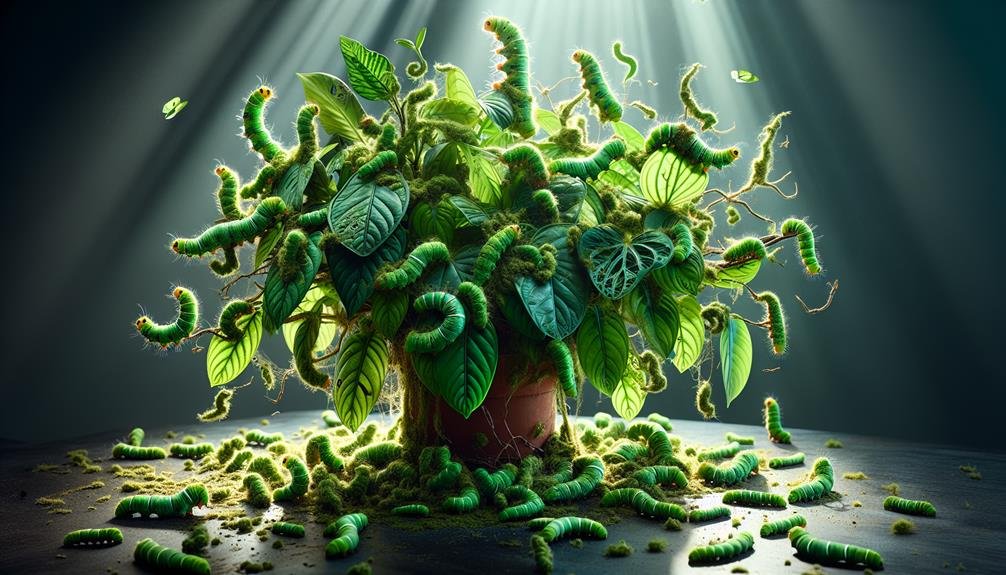
When inspecting your indoor greenery, look closely at the leaves and stems for any signs of chewed edges or holes. Caterpillars are notorious for their voracious appetites and can quickly damage your plants. Keep an eye out for small, green or brown caterpillars hiding on the underside of leaves or within the folds of plants. These pests often leave behind a trail of silk webbing as they move around, so be on the lookout for this telltale sign of infestation.
Another indicator of caterpillar presence is their droppings, known as frass, which look like small pellets and can accumulate near the base of your plants. If you notice an increase in frass, it's likely that caterpillars are feasting on your greenery. Additionally, pay attention to any changes in plant growth or development. Wilting leaves, stunted growth, or yellowing foliage could all be signs of a caterpillar infestation that requires your prompt attention.
Preventing Caterpillar Infestations
To prevent caterpillar infestations in your indoor greenery, regularly inspect your plants for any signs of chewed leaves or silk webbing trails. Caterpillars often leave these telltale signs behind as they feed on your plants. Check both the upper and lower surfaces of the leaves, as caterpillars may hide on the undersides.
Another preventive measure is to keep your indoor space clean and tidy. Fallen leaves or debris can attract caterpillars looking for a cozy hiding spot. Additionally, avoid over-fertilizing your plants, as this can make them more appealing to caterpillars.
Consider placing physical barriers like mesh or row covers over your plants to prevent caterpillars from reaching them. Ensure good air circulation around your plants, as moist and crowded conditions can attract pests.
Natural Remedies for Caterpillar Control
Consider incorporating essential oils, such as neem oil or peppermint oil, into your pest control routine for a natural approach to managing caterpillar infestations in your indoor greenery. Neem oil acts as a natural insecticide, disrupting the growth and development of caterpillars while also deterring them from feeding on your plants. Simply dilute neem oil according to the instructions on the product label and spray it on the affected plants. Peppermint oil, on the other hand, has a strong scent that repels caterpillars. Mix a few drops of peppermint oil with water in a spray bottle and apply it to the leaves of your plants to keep caterpillars at bay.
Another effective natural remedy is diatomaceous earth, a powder made from fossilized aquatic organisms. Sprinkle a thin layer of diatomaceous earth around the base of your plants or directly on the leaves. This powder is abrasive to caterpillars, causing them to dehydrate and perish. Regularly reapply these natural remedies to maintain their effectiveness and protect your indoor greenery from caterpillar infestations.

Chemical Treatments for Caterpillar Infestations
To address caterpillar infestations in indoor greenery beyond natural remedies, you may explore utilizing chemical treatments for more targeted control and eradication of these pests. Chemical treatments can be effective in managing caterpillar infestations by specifically targeting these pests while minimizing harm to the surrounding plants. Insecticidal soaps and horticultural oils are commonly used chemical treatments that work by suffocating caterpillars on contact. These products are relatively safe for indoor use and can be applied directly to the affected plants.
Another option is using biological insecticides containing Bacillus thuringiensis (Bt), a naturally occurring bacteria that specifically targets caterpillars without harming beneficial insects. Bt products are considered environmentally friendly and are widely used for caterpillar control in indoor settings.
When using chemical treatments, it's crucial to carefully follow the instructions on the product label to ensure safe and effective application. Additionally, always consider the potential impact on pets, children, and beneficial insects when choosing chemical treatments for caterpillar infestations in indoor greenery.
Monitoring and Maintaining Plant Health
Ensure the vitality of your indoor greenery by vigilantly monitoring and maintaining plant health. Regularly inspect your plants for any signs of distress such as yellowing leaves, wilting, or unusual spots. These could indicate issues like nutrient deficiencies, pests, or diseases.
Keep an eye on the soil moisture levels by checking if it's too dry or waterlogged, adjusting your watering schedule accordingly. Prune dead or yellowing leaves to promote healthy growth and prevent the spread of diseases. Rotate your plants occasionally to ensure they receive uniform light exposure and prevent them from leaning towards the light source.
Dust the leaves gently to remove any buildup that could hinder photosynthesis. Consider fertilizing your plants with a balanced formula to provide essential nutrients for overall health. Lastly, observe your plants for any unusual behavior and address problems promptly to maintain a thriving indoor garden.
Frequently Asked Questions
Can Caterpillar Infestations Harm Other Household Pets or Humans?
Caterpillar infestations can pose risks to both household pets and humans. These critters can have irritating hairs or toxins that may cause allergic reactions or skin irritation. In some cases, caterpillars can be poisonous if ingested.
It's important to take precautions and address infestations promptly to minimize potential harm to your loved ones and pets. Keep an eye out for any symptoms of exposure and seek medical attention if needed.
How Do Caterpillar Infestations Affect Indoor Air Quality?
When caterpillar infestations take over your indoor space, they can impact the air quality. Their droppings and shed skin particles can become airborne, potentially causing respiratory issues.
It's essential to address the infestation promptly to prevent further contamination of the air you breathe. Regular cleaning and removal of caterpillars can help improve indoor air quality and create a healthier environment for you and your loved ones.
Are There Any Specific Plants That Attract Caterpillars More Than Others?
Certain plants may indeed attract caterpillars more than others due to their specific characteristics like foliage texture, scent, or nectar production.
If you're noticing an increase in caterpillar presence, it might be worth examining the types of plants you have indoors. Some plant species are more appealing to caterpillars because they provide a suitable habitat or food source.
Consider diversifying your indoor greenery to reduce the risk of caterpillar infestations.
Can Caterpillars Cause Damage to Household Furniture or Other Items?
Yes, caterpillars can cause damage to household furniture or other items. They may chew on fabrics, papers, or wooden objects.
It's important to address any caterpillar infestations promptly to prevent further harm to your belongings. Keep an eye out for signs of their presence and take action to remove them from your living spaces to protect your possessions from damage.
How Long Does It Typically Take for a Caterpillar Infestation to Be Completely Eradicated From Indoor Plants?
When dealing with a caterpillar infestation on indoor plants, eradication time can vary. Factors like the severity of the infestation, plant type, and treatment methods all play a role. Typically, it may take a few weeks to completely eliminate the caterpillars.
Regular monitoring and consistent treatment are key to ensuring they're eradicated efficiently. Remember to follow best practices to prevent future infestations and keep your indoor greenery healthy.
Conclusion
Overall, dealing with indoor greenery caterpillar infestations requires vigilance and proactive measures. By identifying infestations early, implementing prevention techniques, and using both natural and chemical treatments as needed, you can effectively control and manage caterpillar populations in your indoor plants.
Remember to regularly monitor your plants' health and adjust your strategies accordingly to ensure a healthy and pest-free indoor garden. With these steps in place, you can enjoy your greenery without the worry of caterpillar damage.