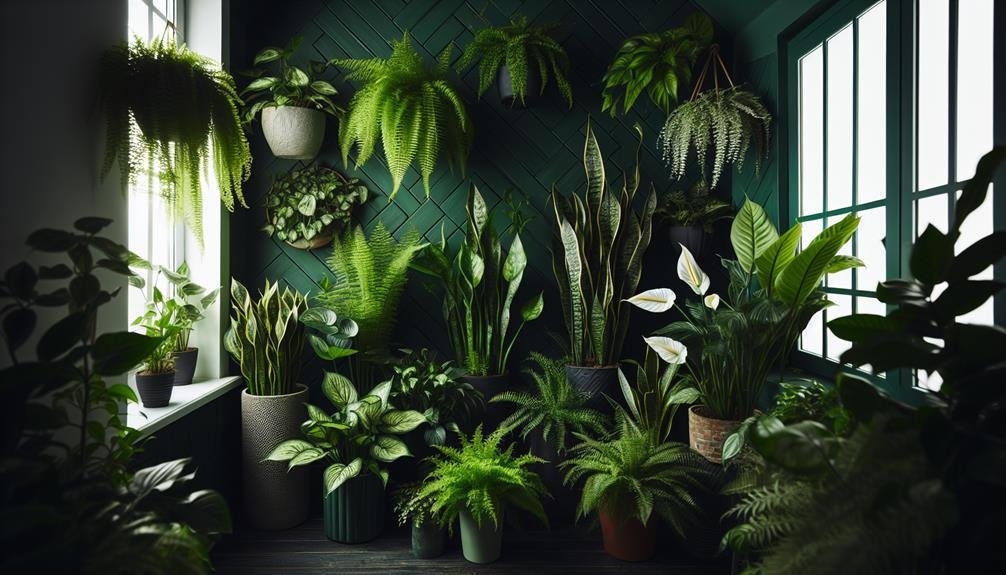
In the symphony of urban living, your home can be an oasis of tranquility with the right foliage. Picture this: a shield of greenery standing between you and the cacophony of city sounds.
But how can you ensure that your foliage not only adds beauty but also serves as a dependable barrier against noise intrusion? Let's explore the world of sound-absorbing plants and discover how a touch of nature can harmonize your living space in more ways than one.
Benefits of Using Foliage for Noise Reduction
By strategically placing foliage in your home, you can significantly reduce noise levels, creating a more peaceful and tranquil environment. Not only do plants add a touch of nature to your living space, but they also act as natural sound absorbers. The leaves and branches of plants help to dampen sound vibrations, absorbing high-pitched noises and reducing echoes. This means that by incorporating foliage into your home decor, you can enjoy a quieter and more serene atmosphere.
Moreover, plants contribute to better air quality, which can also impact noise levels. By purifying the air and increasing oxygen levels, plants create a healthier environment that can lead to improved concentration and reduced stress levels. This cleaner air can help you focus better, making it easier to relax and unwind in your home. So, not only do plants enhance the aesthetic appeal of your space, but they also provide practical benefits that can make your home a more pleasant place to be.
Top Plants for Indoor Noise Reduction
Improve the noise reduction in your home by selecting specific plants known for their ability to absorb sound vibrations effectively. When choosing plants for indoor noise reduction, prioritize options like the Ficus, Peace Lily, and Boston Fern. The Ficus isn't only aesthetically pleasing but also excels at reducing high-frequency noises.
Peace Lilies are excellent additions as they absorb sound waves and thrive in shaded areas. Boston Ferns, with their lush foliage, are great for lowering background noise levels. Spider Plants are another fantastic choice, known for their air-purifying qualities and noise-dampening effects.
Consider incorporating Rubber Plants into your indoor garden, as they're fantastic at absorbing sound and can grow in various light conditions. Lastly, the Areca Palm is a stylish option that effectively reduces noise pollution while adding a tropical touch to your space. These plants not only enhance your home decor but also contribute significantly to creating a quieter environment.
Ideal Placement for Noise-Reducing Plants
When deciding where to place noise-reducing plants in your home, consider the specific characteristics of each plant and how they can best absorb sound vibrations effectively.
Larger, bushier plants like the Ficus or Rubber plant are great for creating a sound barrier and should be placed near windows or walls facing noisy streets. These plants can help absorb high-frequency sounds and reduce echoes in your living space.
Hanging plants like English Ivy or Spider plants work well in corners or near ceilings to trap sound waves that bounce off hard surfaces. For optimal noise reduction, place these plants in areas where sound tends to reverberate the most.

Additionally, clustering multiple plants together can enhance their noise-reducing capabilities. Remember that the more plants you have, the better they'll be at absorbing unwanted noise.
Maintenance Tips for Sound-Absorbing Foliage
To keep your sound-absorbing foliage healthy and effective, regular pruning and watering are essential. Pruning helps maintain the plant's shape and promotes new growth, which is crucial for maximizing its noise-reducing properties. Trim any dead or overgrown branches to allow for better air circulation and sunlight exposure. Additionally, removing dead leaves and debris will prevent pest infestations and diseases that could weaken the plant.
When it comes to watering your noise-reducing plants, consistency is key. Make sure to water them when the top inch of soil feels dry to the touch. Overwatering can lead to root rot, while underwatering can cause the plant to wilt and become less effective at absorbing sound. Using a moisture meter can help you gauge the plant's watering needs more accurately.
Incorporate a regular fertilizing schedule to provide essential nutrients for healthy growth. Choose a balanced fertilizer specifically formulated for houseplants and follow the manufacturer's instructions for best results. By following these maintenance tips, you can ensure that your sound-absorbing foliage thrives and continues to reduce noise effectively in your home.
Stylish Ways to Incorporate Noise-Reducing Plants
For a contemporary touch in your home, consider elevating the ambiance with noise-reducing plants in stylish ways. One chic method is to create a designated green corner using tall plants like the Ficus elastica (Rubber Plant) or Dracaena reflexa (Song of India) to act as a natural sound barrier. These plants not only absorb noise but also add a touch of elegance to your living space.
Another trendy approach is to hang trailing plants such as the Devil's Ivy or String of Pearls from the ceiling. These cascading plants not only reduce noise but also create a visually appealing focal point in the room.
Additionally, incorporating a variety of plant sizes and textures in stylish planters can enhance the overall aesthetic while serving the purpose of noise reduction. By strategically placing these noise-reducing plants throughout your home, you can achieve a peaceful and stylish environment that promotes tranquility and relaxation.
Frequently Asked Questions
Can Noise-Reducing Plants Also Help Improve Air Quality in the Home?
Noise-reducing plants can indeed improve air quality in your home. These green companions not only absorb sound waves but also help purify the air by removing toxins and releasing oxygen.
So, by incorporating noise-reducing plants in your living space, you can create a more peaceful environment while simultaneously enhancing the air quality.
It's a win-win situation for both your ears and your lungs!
Are There Specific Types of Noise-Reducing Plants That Are Safe for Pets to Be Around?
When selecting noise-reducing plants safe for pets, consider options like spider plants, areca palms, or Boston ferns. These plants not only help reduce noise but are also pet-friendly.
Ensure to place them in areas where your pets can't reach the plants easily to avoid any accidental ingestion.
How Long Does It Typically Take for Noise-Reducing Plants to Have a Noticeable Effect on Reducing Noise Levels?
It usually takes a few weeks for noise-reducing plants to start noticeably reducing noise levels in your home. Keep in mind that factors like plant type, size, and placement can affect how quickly you see results.
Water and care for your plants regularly to ensure they thrive and effectively dampen noise. Consider grouping plants together for a stronger sound-absorbing effect in your living spaces.
Can Noise-Reducing Plants Be Used Effectively in Open Concept Living Spaces?
In open concept living spaces, noise-reducing plants can effectively minimize sound levels. Their ability to absorb and block noise makes them a great addition to such areas.
Are There Any Specific Recommendations for Incorporating Noise-Reducing Plants Into a Home Office Setting for Optimal Productivity?
Incorporate noise-reducing plants strategically in your home office for improved productivity. Position plants near walls or corners to absorb sound effectively. Consider varieties like rubber plants, peace lilies, or snake plants known for their acoustic benefits.
Ensure proper care and maintenance to maximize their noise reduction potential. Create a green oasis in your workspace, promoting a peaceful environment conducive to focus and creativity.
Conclusion
Overall, incorporating foliage for noise reduction in your home is a simple and effective way to create a more peaceful environment.
By choosing the right plants, placing them strategically, and maintaining them properly, you can enjoy the benefits of reduced noise levels while adding a touch of style to your living space.
So why not bring the beauty of nature indoors and enjoy a quieter, more tranquil home today?