Tired of constantly worrying about your indoor plants and feeling like you need a botanist's degree just to keep them alive? Well, fear not, as there is a solution to your plant-parenting woes.
Discover a selection of easy-care indoor plants that even the most novice of green thumbs can manage effortlessly. With minimal effort, you can transform your living space into a thriving oasis of greenery.
But don't stop here; there's more to learn about selecting the perfect plant for your home environment.
Benefits of Easy-Care Indoor Plants
Easy-care indoor plants provide a simple way to enjoy the benefits of greenery without the need for constant attention or maintenance. These plants are perfect for busy individuals or those new to plant care. They can bring life and freshness to your living space, improving air quality and overall well-being. One of the key advantages of easy-care indoor plants is their ability to purify the air by removing toxins and releasing oxygen—a natural way to enhance your indoor environment.
Additionally, these plants can boost your mood and reduce stress levels. The presence of greenery has been linked to increased feelings of calmness and relaxation. Taking care of indoor plants can also be a rewarding experience, offering a sense of accomplishment as you watch them grow and thrive with minimal effort on your part. Whether you place them in your home office, living room, or bedroom, easy-care indoor plants can transform the ambiance of any room, making it more inviting and cozy.
Top Easy-Care Plant Options
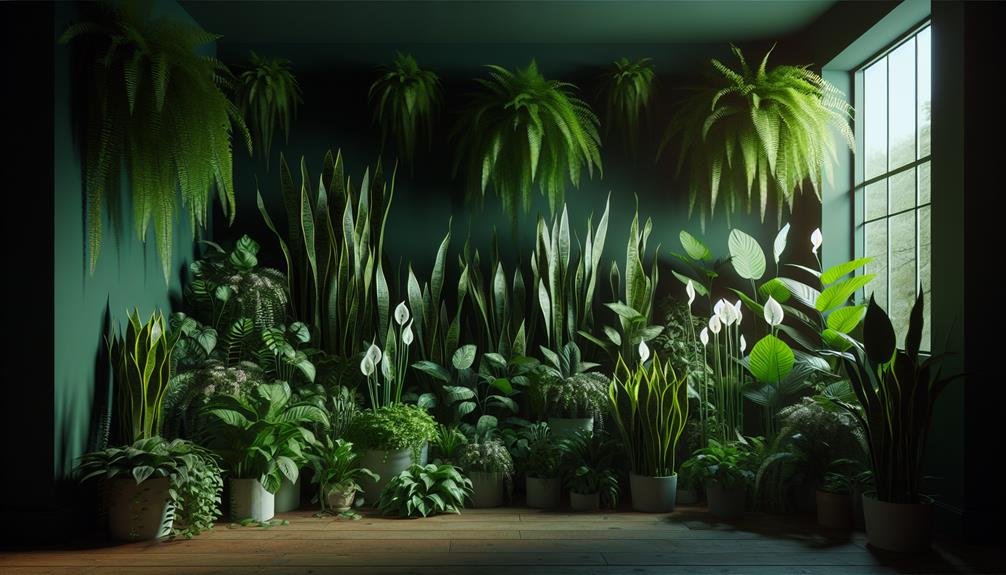
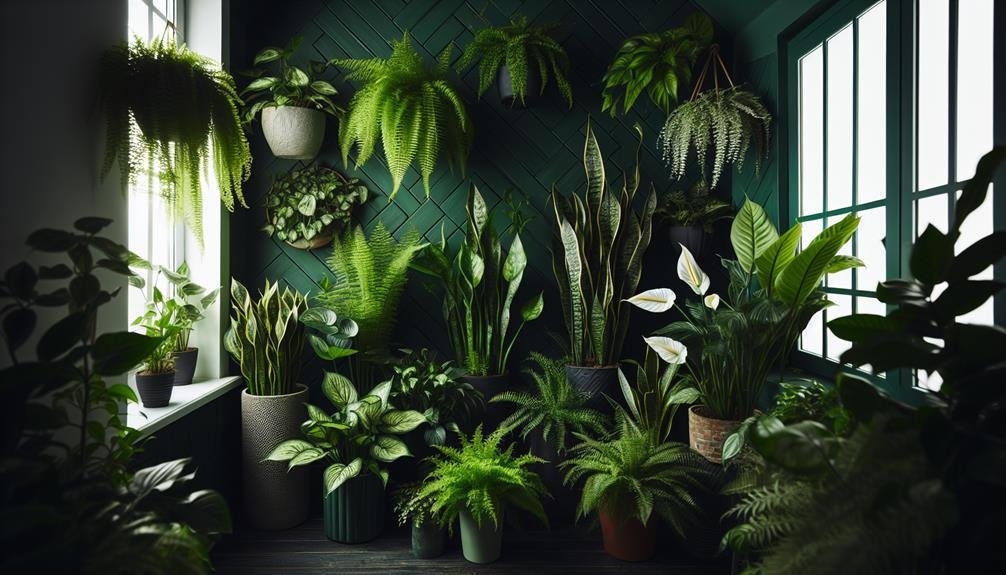
When it comes to selecting low-maintenance indoor plants, there are a variety of options that thrive with minimal effort.
Spider plants are a great choice for beginners, as they're resilient and can adapt to various light conditions.
Snake plants are another excellent option, known for their air-purifying qualities and ability to survive with infrequent watering.
Pothos plants are popular due to their trailing vines and tolerance for low light environments.
If you prefer flowering plants, peace lilies are a wonderful pick, requiring little attention and blooming lovely white flowers.

For those looking for a touch of color, African violets are perfect as they bloom in various shades and are relatively undemanding.
Lastly, ZZ plants are virtually indestructible, thriving in low light and with little water.
These easy-care indoor plants not only add greenery to your space but also bring a sense of tranquility without the need for constant maintenance.
Essential Care Tips for Beginners
For beginners caring for indoor plants, understanding the importance of consistent watering schedules is crucial. Overwatering can lead to root rot, while underwatering can cause wilting and stunted growth. The key is to find a balance by checking the moisture levels in the soil regularly. Most indoor plants thrive when the top inch of soil is dry before watering again. Remember, it's better to underwater slightly than overwater.
In addition to watering, providing adequate light is essential for your indoor plants. Different plants have varying light requirements, so it's important to research the specific needs of each plant you own. Generally, placing your plants near a window where they can receive indirect sunlight is a good starting point.
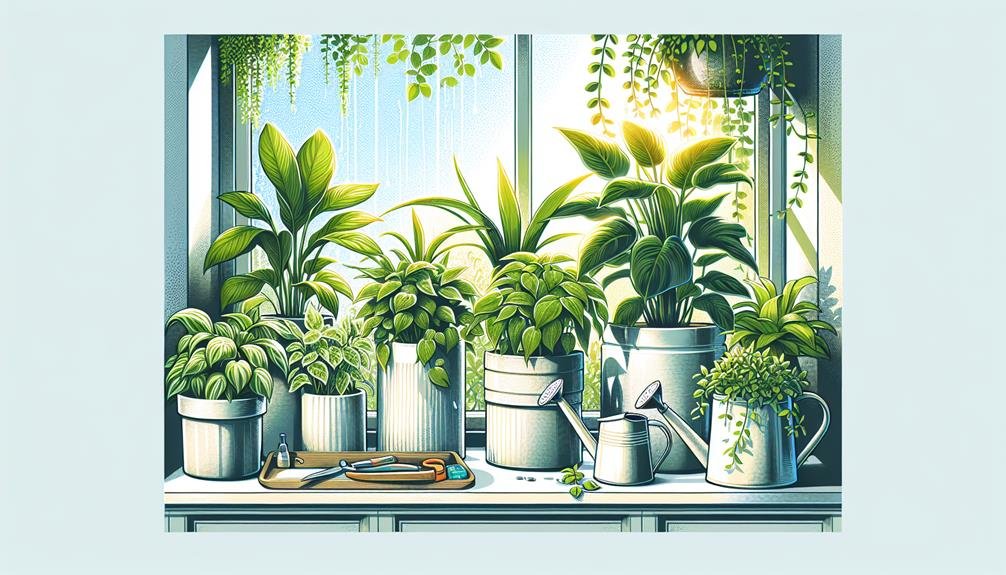
Furthermore, regular pruning and dusting of leaves can help your plants stay healthy. Trimming off dead or yellowing leaves encourages new growth, while cleaning the leaves with a damp cloth keeps them free from dust, allowing for optimal photosynthesis. By following these essential care tips, you can set yourself up for success in nurturing your indoor plant collection.
Ideal Placement for Indoor Plants
To ensure the health and well-being of your indoor plants, strategic placement in your home plays a crucial role in their growth and development. When deciding where to put your plants, consider their specific needs. Plants that require a lot of sunlight, like succulents or cacti, thrive in south-facing windows where they can soak up the sun's rays. On the other hand, ferns and peace lilies prefer indirect light and do well in rooms with east or north-facing windows. Be mindful of temperature variations as well; avoid placing plants near drafty windows or heating vents.
Additionally, take into account the humidity levels in your home. Bathrooms with their higher moisture content are perfect for plants like spider plants or orchids that enjoy humidity. Kitchens, with their warmth and occasional steam, can be ideal for herbs. Lastly, ensure that your plants have enough space to grow and that they aren't overcrowded. By placing your indoor plants thoughtfully, you can create a thriving green oasis in your home.
Troubleshooting Common Plant Issues
If your indoor plants are showing signs of distress, identifying and resolving common issues promptly is key to maintaining their health and vitality. One common problem is overwatering, which can lead to root rot and yellowing leaves. Ensure proper drainage and allow the soil to dry out between waterings.
On the other hand, underwatering can cause wilting and browning of leaf tips. Check the moisture levels regularly and adjust your watering schedule accordingly.
Poor lighting is another issue that can affect indoor plants. If you notice leggy growth or pale leaves, your plants mightn't be getting enough light. Move them to a brighter spot, but be cautious of direct sunlight that can scorch the leaves.
Pests such as spider mites, mealybugs, and aphids can also infest indoor plants. Keep an eye out for any unusual spots, webbing, or tiny insects on your plants. Treat infestations promptly with insecticidal soap or neem oil to prevent further damage.
Regularly dusting the leaves, maintaining proper humidity levels, and occasionally fertilizing can help prevent common plant issues and keep your indoor plants thriving.
Frequently Asked Questions
Can Easy-Care Indoor Plants Help Improve Indoor Air Quality?
Easy-care indoor plants can indeed help improve indoor air quality. They've the ability to absorb toxins and release oxygen, creating a healthier environment for you.
By having these plants in your living space, you can experience fresher air and potentially reduce the presence of harmful substances.
Are There Any Easy-Care Indoor Plants That Can Thrive in Low Light Conditions?
You can definitely find easy-care indoor plants that thrive in low light conditions. Some options include pothos, snake plants, and peace lilies.
These plants are resilient and can adapt well to environments with minimal sunlight. Remember to water them appropriately and occasionally rotate them to ensure even growth.
With a little care, these plants can bring life to your space even in areas with limited natural light.
How Often Should I Repot My Easy-Care Indoor Plants?
You should repot your easy-care indoor plants every 1 to 2 years. This allows them to have fresh soil and ample space for root growth, promoting their overall health and vitality.
Keep an eye out for roots circling the pot or growing out of the drainage holes as signs that repotting is needed. Choose a slightly larger container with good drainage to provide a comfortable environment for your plants to thrive.
Can Easy-Care Indoor Plants Attract Pests or Insects Into My Home?
Yes, easy-care indoor plants can attract pests or insects into your home if not properly cared for. Overwatering, lack of sunlight, or poor ventilation can create conditions that invite pests.
Regularly inspect your plants for any signs of infestation, such as yellowing leaves or webbing. Wiping leaves with a damp cloth and introducing natural predators like ladybugs can help keep pests at bay.
Stay vigilant to maintain a pest-free environment.
Are There Any Easy-Care Indoor Plants That Are Safe for Pets to Be Around?
Yes, there are easy-care indoor plants that are safe for pets to be around. Some pet-friendly options include spider plants, Boston ferns, and African violets. These plants are non-toxic to cats and dogs, making them a great addition to your home without posing a risk to your furry friends.
Just be sure to research specific plants before bringing them home to ensure they're safe for your pets to be around.
Conclusion
In conclusion, easy-care indoor plants are a great option for beginners looking to bring some greenery into their homes without too much hassle.
With a variety of low-maintenance plant options available and essential care tips to follow, you can enjoy the benefits of indoor plants with minimal effort.
Remember to place your plants in ideal locations and troubleshoot any common issues that may arise to ensure their health and longevity.
Happy planting!