If you've ever admired a lush peace lily or vibrant spider plant in someone's home and thought, 'I wish I could keep plants alive like that,' then you're in the right place.
Discovering the world of easy-care indoor plants can be a game-changer for beginners looking to add some green to their indoor space.
Whether you have a history of plant neglect or simply want to start your indoor garden journey smoothly, there are key insights and plant suggestions that can set you on the path to success.
Benefits of Easy-Care Indoor Plants
Discover the numerous advantages of incorporating low-maintenance indoor plants into your living space. Easy-care indoor plants not only add a touch of greenery to your surroundings but also come with several benefits that contribute to a healthier and more pleasant environment.
These plants are known for their ability to purify the air by removing toxins and releasing oxygen, promoting better air quality for you and your family. Additionally, low-maintenance indoor plants can help reduce stress and anxiety levels, creating a calming atmosphere in your home.
By requiring minimal attention and upkeep, these plants are perfect for beginners or individuals with busy schedules who still want to enjoy the beauty of nature indoors. With their natural aesthetic appeal, easy-care indoor plants can enhance the overall look and feel of your living space without demanding too much of your time and energy.
Incorporating these plants into your home decor can bring life and vibrancy to any room while offering numerous health benefits.
Top 5 Low-Maintenance Plants
Incorporating easy-care indoor plants into your living space can be made simpler by selecting from a variety of top 5 low-maintenance plants that require minimal attention and offer numerous benefits.
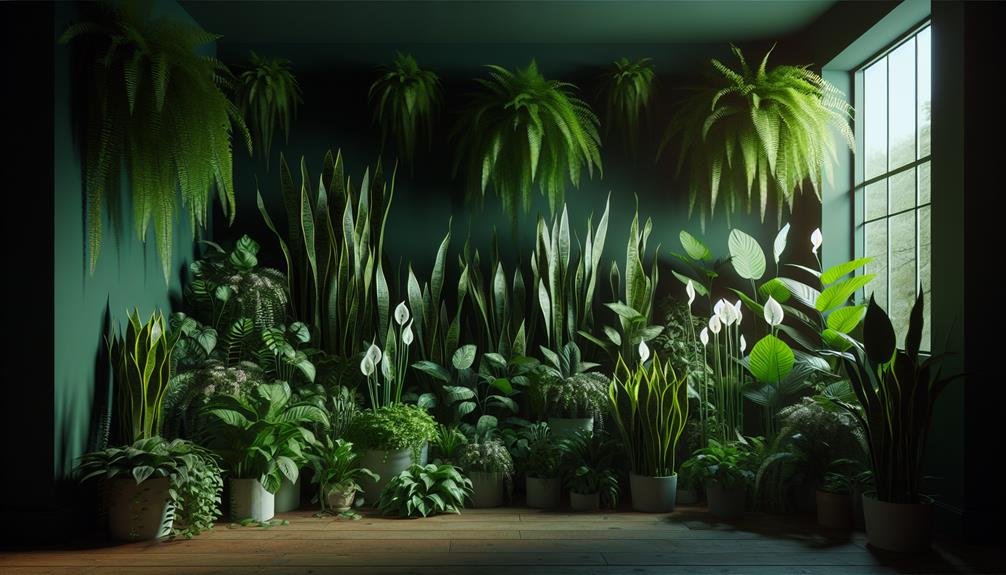
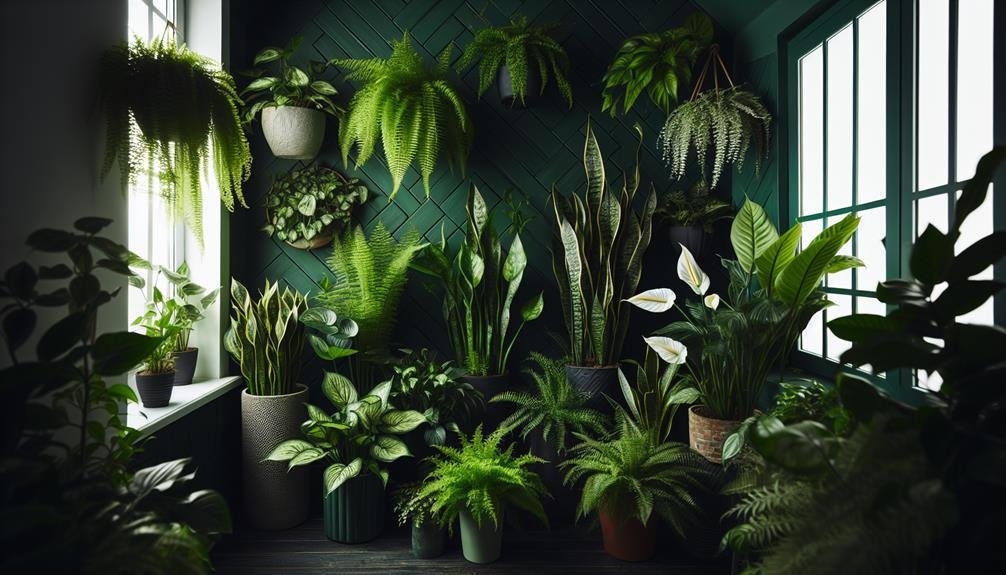
The Snake Plant, also known as Mother-in-Law's Tongue, is a popular choice due to its ability to thrive in various light conditions and its air-purifying qualities.
Peace Lilies are another excellent option, with their elegant white blooms and tolerance for low light environments.

Spider Plants aren't only resilient but also produce baby spider plants that you can propagate easily.
Pothos, with its trailing vines, adds a touch of green to any room and can survive with infrequent watering.
Lastly, the ZZ Plant is a hardy plant that can endure neglect and low light, making it perfect for beginners.
These top 5 low-maintenance plants are great choices to bring a bit of nature indoors without demanding too much of your time and effort.
Essential Care Tips for Beginners
For beginners looking to care for indoor plants, mastering essential care tips is crucial for ensuring the health and longevity of your green companions.
First, watering is key. Overwatering can lead to root rot, while underwatering can cause wilting. Find a balance by checking the soil moisture with your finger before watering.
Next, light is essential. Different plants have varying light requirements, so make sure to place your plants where they can receive adequate sunlight or artificial light.
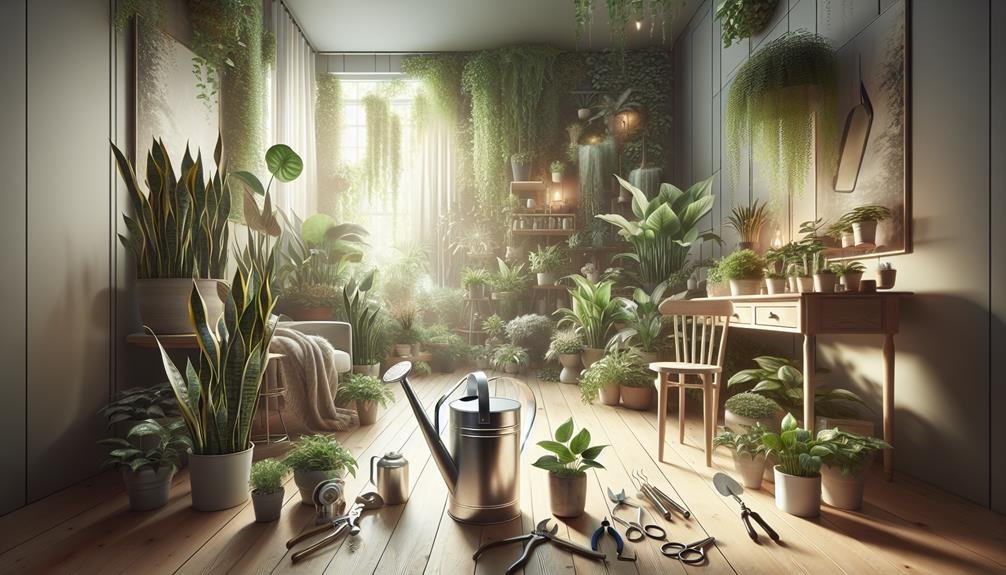
Additionally, regular dusting of leaves helps plants photosynthesize efficiently. Use a damp cloth to gently wipe the leaves and keep them clean.
Fertilizing is also important but avoid over-fertilizing as it can harm your plants. Choose a balanced fertilizer and follow the instructions.
Lastly, inspect your plants regularly for pests and diseases. Early detection can prevent issues from spreading.
Best Placement for Indoor Plants
To ensure the optimal growth and health of your indoor plants, proper placement is key. When deciding where to put your plants, consider their specific light and temperature needs. Place sun-loving plants near windows that receive bright, indirect light for most of the day. Conversely, low-light plants thrive in areas further away from windows or in rooms with minimal natural light.
Keep in mind that placing plants too close to drafty windows or heating vents can harm them. Additionally, be cautious of putting plants near air conditioning units, as sudden temperature changes can shock the plants. Remember to rotate your plants occasionally, so all sides receive equal light exposure for balanced growth.
Grouping plants with similar care requirements together can also simplify maintenance. By strategically placing your indoor plants based on their individual needs, you set them up for success and create a harmonious green space in your home.
Troubleshooting Common Plant Issues
When encountering common issues with your indoor plants, identifying the problem promptly is essential for effective troubleshooting. Yellowing leaves could indicate overwatering, while brown, crispy edges may signal underwatering. Adjust your watering routine accordingly.
If your plant's leaves are dropping, it might be due to insufficient light. Move the plant to a brighter spot, but avoid direct sunlight, which can scorch the leaves.
Pests like spider mites or aphids can also plague indoor plants. Wipe down leaves with a damp cloth to remove pests or use insecticidal soap for heavier infestations. Yellow, slimy patches on the soil's surface are a sign of overwatering or poor drainage. Allow the soil to dry out before watering again and ensure the pot has drainage holes.
If your plant looks leggy or stretched out, it's reaching for more light. Consider moving it to a sunnier location or supplementing with grow lights. Regularly dusting the leaves and occasionally showering your plant can prevent dust buildup and keep pests at bay.
With these troubleshooting tips, your indoor plants will thrive and brighten up your space.
Frequently Asked Questions
Can Easy-Care Indoor Plants Help Improve Indoor Air Quality?
Easy-care indoor plants can indeed help improve indoor air quality. They absorb carbon dioxide and release oxygen through photosynthesis, which can enhance the air you breathe.
Some plants even filter out harmful toxins like formaldehyde and benzene. By incorporating these plants into your indoor space, you can create a healthier environment and add a touch of greenery to your surroundings effortlessly.
Do Easy-Care Indoor Plants Require Special Fertilizers or Supplements?
Easy-care indoor plants generally don't require special fertilizers or supplements. They can thrive with basic care like regular watering and adequate sunlight.
However, it's essential to follow any specific guidelines provided for the plant species you have. In most cases, a general-purpose liquid houseplant fertilizer diluted to half strength can be used monthly during the growing season to keep your indoor plants healthy and happy.
Are There Any Easy-Care Indoor Plants That Are Safe for Pets?
When considering easy-care indoor plants that are safe for pets, it's essential to choose non-toxic options. Some popular choices include spider plants, African violets, and Boston ferns. These plants not only thrive indoors but are also safe for your furry companions.
Remember to place them out of reach to prevent any unwanted snacking. With a bit of research and care, you can create a pet-friendly indoor garden that both you and your pets will enjoy.
How Often Should I Repot My Easy-Care Indoor Plants?
When should you repot your easy-care indoor plants? Generally, aim to repot every 1-2 years or when you notice roots growing out of the drainage holes. Repotting allows plants to access fresh nutrients and prevents them from becoming root-bound.
Choose a slightly larger pot with good drainage. Be gentle when repotting to avoid damaging the roots. Remember to water the plant after repotting to help it adjust to its new home.
Can Easy-Care Indoor Plants Help Reduce Stress and Improve Mental Health?
Indoor plants, like easy-care ones, can indeed reduce stress and boost mental health. Their green presence and ability to purify the air create a calming environment.
Taking care of them, even by simply watering and monitoring their growth, can provide a sense of accomplishment and connection to nature.
Conclusion
Overall, easy-care indoor plants are a great option for beginners looking to add some greenery to their space without a lot of maintenance.
With the right plants and a little bit of care, you can enjoy the benefits of having plants in your home without feeling overwhelmed.
Remember to follow the essential care tips and proper placement guidelines to ensure your plants thrive.
Happy planting!