Imagine your indoor plant is like a new friend – you want to nurture it, watch it grow, and have it brighten up your space. But maybe you've struggled before, and that's okay. The secret lies in understanding their needs.
By following a few simple tips, you can set yourself up for success and watch your indoor oasis flourish effortlessly. From choosing the right plants to creating an optimal environment, the key is in the details.
Ready to transform your space with lush greenery?
Selecting the Right Plants
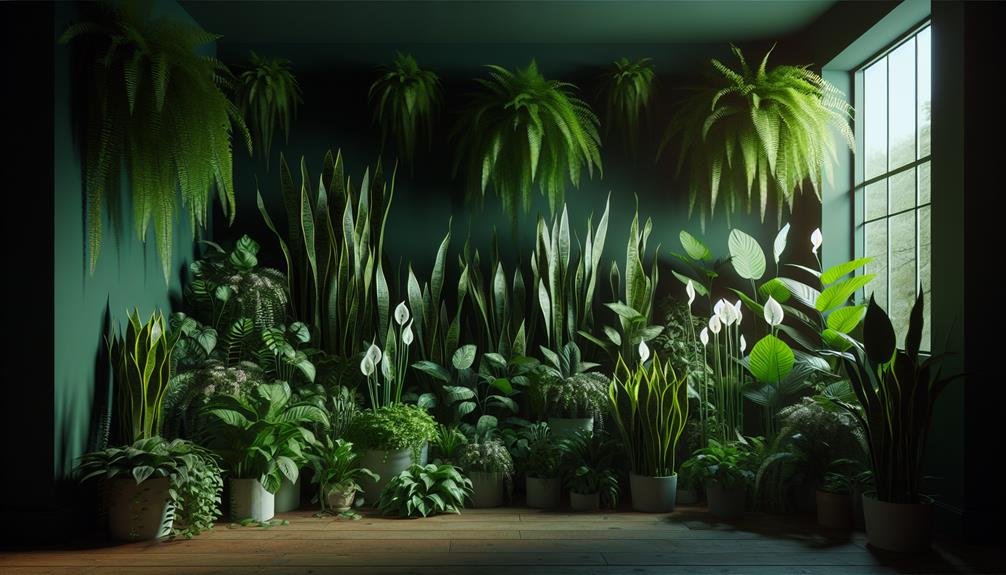
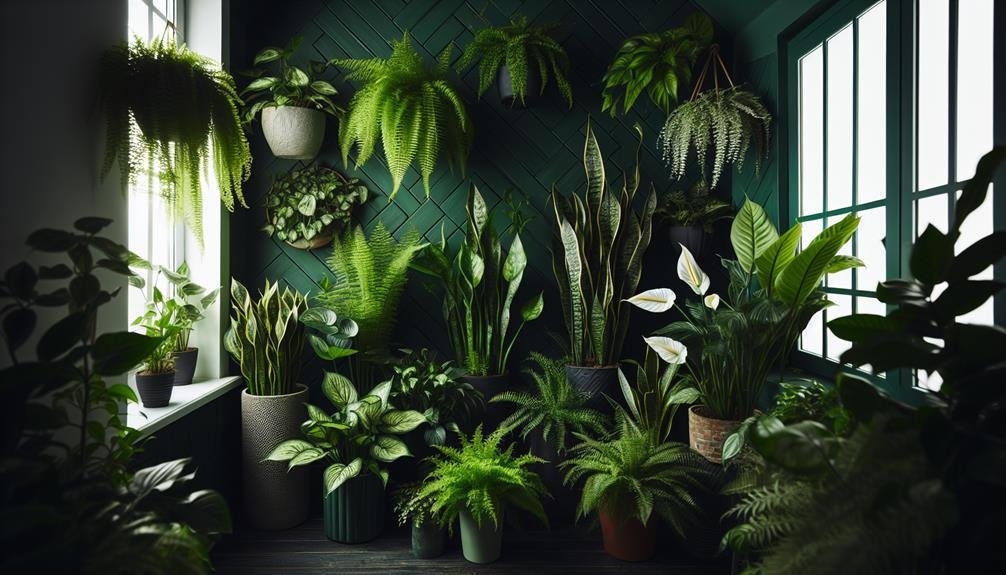
When choosing indoor plants for beginners, prioritize low-maintenance varieties that thrive in your specific lighting conditions. Consider starting with plants like the pothos, snake plant, or spider plant. These options are resilient and can adapt well to different light levels, making them perfect for beginners.
Pothos, with its trailing vines and heart-shaped leaves, can thrive in various lighting conditions, from low light to bright, indirect light. The snake plant, also known as mother-in-law's tongue, is a hardy plant that can survive with minimal care and in low light environments. Spider plants, with their arching leaves and air-purifying qualities, are great for beginners and can thrive in indirect sunlight.
Setting Up Ideal Growing Conditions
To set up ideal growing conditions for your indoor plants, focus on providing the right amount of light, water, and nutrients. Light is crucial for photosynthesis, so place your plants near windows where they can receive adequate sunlight. Different plants have varying light requirements, so make sure to research the specific needs of each plant you have. If natural light is limited, consider using artificial grow lights to supplement.
Watering your plants properly is essential. Overwatering can lead to root rot, while underwatering can cause wilting. Check the soil moisture regularly by inserting your finger into the soil; if it feels dry, it's time to water. Remember, it's better to underwater than overwater.
Lastly, ensure your plants are getting the necessary nutrients to thrive. Use a balanced fertilizer specifically formulated for indoor plants, and follow the instructions for application. Regular feeding during the growing season will keep your plants healthy and vibrant. By providing the right light, water, and nutrients, you'll create an optimal environment for your indoor plants to flourish.
Implementing Simple Care Routine
Ensure that your indoor plants thrive by establishing a simple care routine that includes regular maintenance tasks to keep them healthy and vibrant. Start by setting a consistent watering schedule based on your plant's specific needs. Overwatering can lead to root rot, while underwatering can cause wilting, so it's crucial to find the right balance. Check the soil moisture regularly by sticking your finger about an inch into the soil – if it feels dry, it's time to water.
In addition to watering, incorporate dusting into your care routine. Dust can accumulate on plant leaves, blocking sunlight absorption and hindering photosynthesis. Wipe down the leaves gently with a damp cloth or give them a shower to keep them clean and free from dust buildup.

Lastly, inspect your plants regularly for any signs of pests or diseases. Early detection is key to preventing infestations or illnesses from spreading. By implementing these simple care tasks into your routine, you'll help your indoor plants thrive and beautify your space effortlessly.
Frequently Asked Questions
How Can I Prevent Pests From Infesting My Indoor Plants?
To prevent pests from infesting your indoor plants, start by regularly inspecting both the plants and soil. Wipe the leaves with a damp cloth to remove any dust or pests.
Maintain proper watering habits to avoid creating a hospitable environment for bugs. If you spot any pests, treat them promptly with natural remedies or insecticidal soap.
Can I Use Tap Water to Water My Indoor Plants, or Is Filtered Water Better?
Sure, you can use tap water for your indoor plants, but filtered water is better. Tap water may contain minerals and chemicals that could harm your plants over time.
Filtered water reduces the risk of these issues, providing cleaner hydration for your plants. It's a small change that can make a big difference in the long-term health of your indoor plants.
Is It Necessary to Repot My Indoor Plants, and if So, How Often Should I Do It?
Repotting your indoor plants is essential for their health. It allows them to have fresh soil, more space for root growth, and prevents root-bound issues.
Generally, you should repot your plants every 1-2 years, or when you notice roots coming out of the drainage holes. Choose a slightly larger pot, loosen the roots gently, and add fresh soil to promote healthy growth.
This simple task will keep your plants thriving!
Are There Any Specific Indoor Plants That Are Safe for Pets to Be Around?
When it comes to indoor plants safe for pets, you'll want to consider options like spider plants, African violets, and Boston ferns. These plants are generally pet-friendly and can be a great addition to your home without posing a risk to your furry friends.
Just make sure to research any specific plant you're interested in to ensure it's safe for your pets to be around.
What Are Some Common Signs That Indicate My Indoor Plant Is Not Thriving and Needs Special Attention?
If your indoor plant isn't thriving, watch for signs like yellowing leaves, wilting, or stunted growth. These could indicate issues like overwatering, lack of sunlight, or pests. Check the soil moisture level and adjust your watering routine accordingly.
Move the plant to a spot with more sunlight if needed. Inspect the leaves for pests and treat them promptly. Regularly dust the leaves to ensure they can absorb sunlight efficiently.
Conclusion
Congratulations on choosing easy-care indoor plants for your beginner gardening journey! By selecting the right plants, setting up ideal growing conditions, and implementing a simple care routine, you're on your way to thriving indoor greenery.
Remember to water, provide adequate light, and occasionally fertilize your plants to keep them healthy and happy. With these tips in mind, you can enjoy the beauty of indoor plants without the stress of high maintenance.
Happy gardening!