Pondering on the prospect of plunging into the world of indoor gardening? Selecting the right plants can be pivotal in propelling your passion forward.
Imagine effortlessly nurturing lush greenery that thrives with minimal effort on your part. Intrigued to discover which plants make the cut for newbie gardeners seeking hassle-free options?
Stay tuned to uncover the top picks that promise to add a touch of green to your living space while requiring little maintenance.
Benefits of Easy-Care Plants
When choosing easy-care plants for your indoor garden, you can enjoy low-maintenance greenery that thrives with minimal effort. These plants offer numerous benefits that make them perfect for beginner gardeners. One of the key advantages is their resilience to fluctuations in watering schedules. Easy-care plants like snake plants, pothos, and spider plants are forgiving if you occasionally forget to water them, making them ideal for those with busy lifestyles or little gardening experience.
Another benefit of these plants is their ability to adapt to various light conditions. Whether your space receives lots of sunlight or is on the shadier side, there are easy-care plants that can thrive in different lighting environments. This flexibility makes it easier to find the perfect plant for your home or office.
Additionally, easy-care plants are known for their air-purifying qualities. They can help improve indoor air quality by removing toxins and releasing oxygen, creating a healthier environment for you to live in. By incorporating these plants into your indoor garden, you not only enhance the aesthetic appeal of your space but also promote better air quality and overall well-being.
Top Picks for Beginner Gardeners
For beginner gardeners looking to start their indoor garden journey, consider these top picks for easy-care plants that will thrive in various environments.
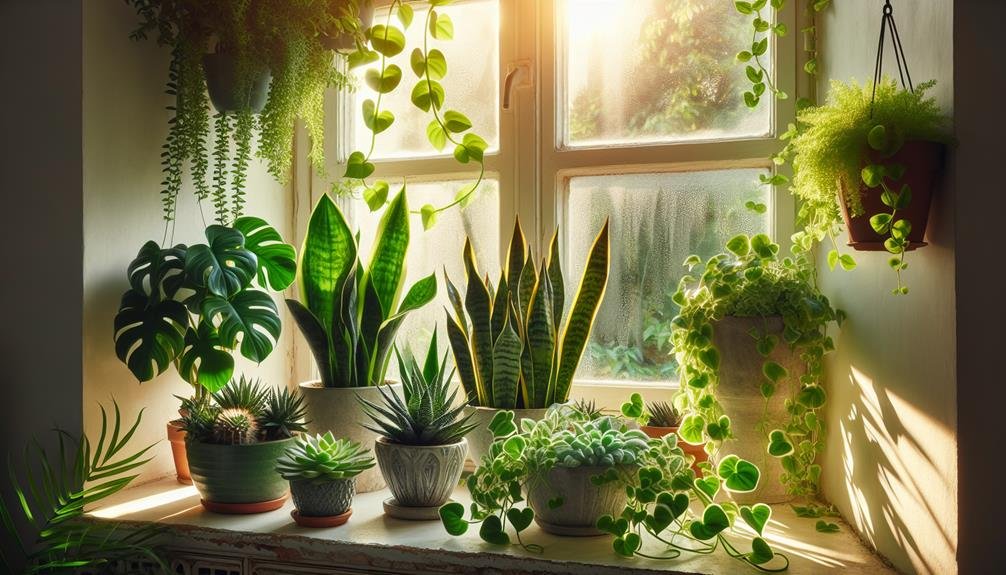
- Snake Plant (Sansevieria): Known for its tolerance to low light and irregular watering, the snake plant is perfect for beginners. It can survive in most conditions and helps purify the air.
- Spider Plant (Chlorophytum comosum): With its arching leaves and air-purifying qualities, the spider plant is a popular choice for beginners. It thrives in indirect sunlight and prefers well-draining soil.
- Pothos (Epipremnum aureum): Pothos is a versatile plant that can adapt to different light conditions, including low light. It's forgiving of occasional watering lapses and adds a touch of green to any space.
- ZZ Plant (Zamioculcas zamiifolia): The ZZ plant is virtually indestructible, thriving in low light and with infrequent watering. Its shiny, dark green leaves add a modern flair to any room.
These top picks aren't only beautiful but also easy to care for, making them perfect choices for beginner indoor gardeners.
Essential Care Tips for Success
Considering the easy-care plants you've selected for your indoor garden, let's now focus on ensuring their success with essential care tips. First and foremost, light is crucial for your plants' growth. Make sure to place them near windows where they can receive adequate sunlight, or consider using grow lights if natural light is limited.
Next, watering your plants correctly is vital. Overwatering can lead to root rot, while underwatering can cause wilting. Check the soil moisture regularly by sticking your finger into the soil; if it feels dry, it's time to water. Remember, different plants have varying water needs, so be sure to research each plant's specific requirements.

Additionally, maintaining proper humidity levels is key, especially for tropical plants. You can use a humidifier or group plants together to create a more humid microclimate.
Lastly, fertilize your plants sparingly to provide them with essential nutrients for healthy growth. Follow these care tips, and your indoor garden will thrive beautifully.
Troubleshooting Common Plant Issues
To effectively troubleshoot common plant issues, start by closely observing your plants for any signs of distress. Yellowing or browning leaves could indicate overwatering or underwatering. Adjust your watering schedule accordingly to see if the issue resolves.
Wilting leaves may suggest a lack of humidity or too much direct sunlight. Consider misting your plant or moving it to a spot with indirect light.
If you notice small flying insects around your plant, it could be a sign of a pest infestation. Wipe down the leaves with a gentle soap solution or introduce natural predators like ladybugs to combat the pests.
Stunted growth might be due to lack of nutrients in the soil. Try fertilizing your plant with a balanced fertilizer to promote healthy growth.
Decor Tips for Indoor Greenery
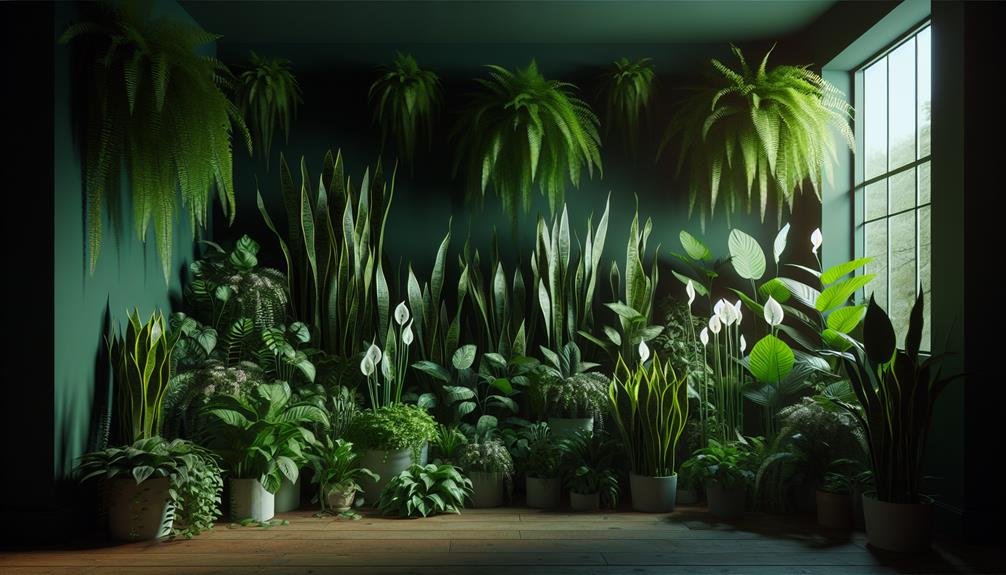
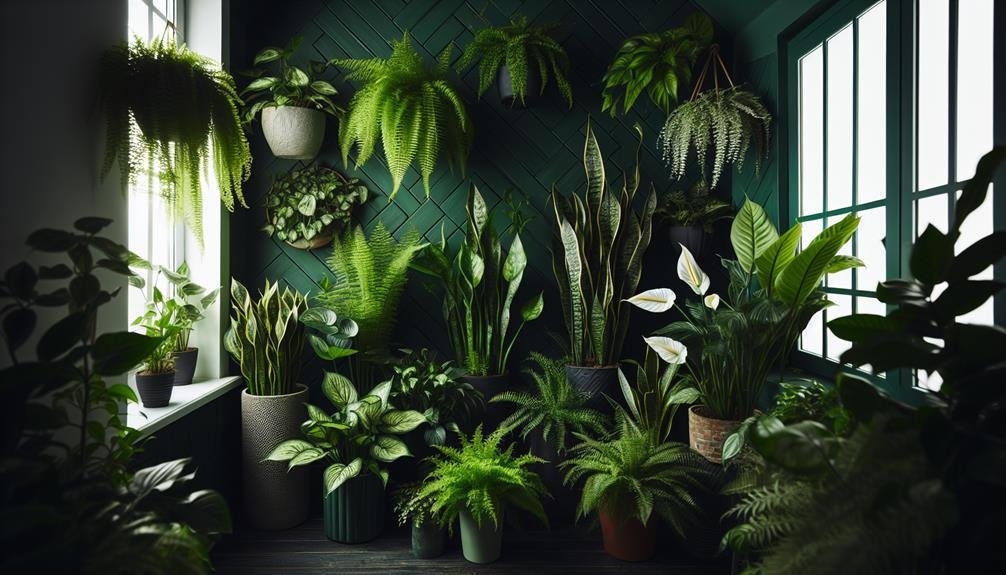
Enhance the ambiance of your living space with strategic placement of indoor greenery to create a refreshing and inviting atmosphere. When decorating with plants, consider the size of the plant in relation to the available space. Taller plants like fiddle leaf figs or palms can add vertical interest, while trailing plants like pothos or string of pearls can beautifully cascade from shelves or hanging planters.
Grouping plants together can create a lush and cohesive look. Mix different heights, textures, and leaf shapes for visual interest. Utilize decorative pots or planters that complement your home decor style. Terracotta pots offer a classic look, while modern spaces may benefit from sleek ceramic or metallic planters.
Don't forget about natural light when deciding where to place your indoor plants. Most indoor plants thrive in bright, indirect light, so consider placing them near windows. If natural light is limited, grow lights can be a practical solution.
Frequently Asked Questions
Are There Any Easy-Care Plants That Are Safe for Pets to Be Around?
When looking for easy-care plants safe for pets, consider options like spider plants, Boston ferns, or African violets. These plants are low-maintenance and pet-friendly, making them perfect for your home.
Remember to keep an eye on any new plants you introduce to ensure your furry friends stay safe. With a bit of care and attention, you can enjoy both your plants and pets in harmony.
Can Easy-Care Plants Thrive in Low-Light Conditions?
In low-light conditions, some easy-care plants can still thrive. Look for options like snake plants, pothos, or peace lilies. These plants require minimal sunlight and are perfect for indoor spaces with limited natural light.
Remember to water them according to their specific needs and consider supplementing with artificial light if necessary to help them grow and stay healthy. With a little attention, your indoor garden can flourish even in less sunny spots.
How Often Should Easy-Care Plants Be Repotted?
When repotting easy-care plants, consider factors like root-bound conditions or decreased growth. Typically, every 1-2 years is a good timeframe for repotting.
Signs that it's time include roots growing through drainage holes or soil drying out too quickly. Choose a slightly larger pot and fresh potting mix. Gently loosen the roots before placing the plant in its new container.
Water thoroughly after repotting to help the plant settle in.
Are There Any Specific Easy-Care Plants That Are Known to Purify the Air?
When looking for plants known to purify the air, consider options like snake plants, spider plants, and pothos. These green companions not only add a touch of nature to your space but also help improve air quality.
Their low maintenance needs make them perfect for beginners. Just place them in well-lit areas and water them occasionally, and they'll thrive while keeping your indoor environment fresh and healthy.
Can Easy-Care Plants Be Grown Hydroponically Indoors?
Yes, easy-care plants can definitely be grown hydroponically indoors. Hydroponic systems provide a controlled environment for plant growth, making it easier to monitor water and nutrient levels.
Conclusion
In conclusion, easy-care plants are ideal for beginner indoor gardeners looking to add some greenery to their space without a lot of maintenance.
With the right care tips and troubleshooting knowledge, you can enjoy the benefits of having plants indoors without the stress of constantly worrying about them.
Remember to choose plants that suit your lifestyle and space, and enjoy the beauty and freshness they bring to your home. Happy gardening!