
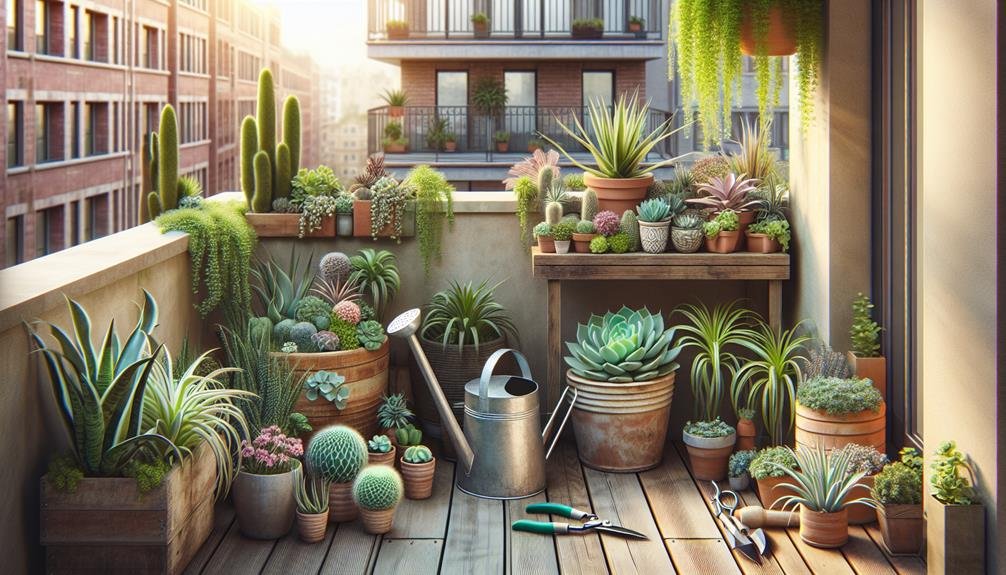
When it comes to tending to plants in compact living spaces, the task may seem daunting. However, fear not, as with a few simple strategies, you can effortlessly cultivate a lush green oasis right in your home.
By carefully selecting the right plant varieties, you can set yourself up for success in creating a thriving indoor garden. But before you start potting away, there are key considerations to keep in mind that will ensure your plants not only survive but also thrive.
Selecting the Right Plant Varieties
When choosing plants for small spaces, prioritize ones that require minimal maintenance and suit the available light conditions. Opt for plants like pothos, snake plants, and spider plants that are known for their resilience and ability to thrive with little attention. These varieties are perfect for busy individuals or those new to gardening.
Consider the amount of light your space receives when selecting plants. If you have a sunny spot, succulents like aloe vera or echeveria can be excellent choices as they require lots of sunlight. For shadier areas, peace lilies or ferns are great options that can still flourish in low light conditions.
Additionally, think about the size of the plant in relation to your space. Compact plants such as bonsai trees or small herb gardens are ideal for tiny areas like windowsills or countertops. Remember, choosing the right plant varieties is crucial for creating a thriving indoor garden that enhances your living space.
Understanding Light and Water Needs
To ensure your easy-care plants thrive in your small space, it's important to understand their specific light and water needs. Different plants have varying requirements when it comes to sunlight exposure. Some plants, like succulents, thrive in bright, direct light, while others, such as ferns, prefer indirect light or shade. Be sure to place your plants accordingly to ensure they receive the appropriate amount of light each day.
Watering your plants correctly is just as crucial as providing the right amount of light. Overwatering can lead to root rot, while underwatering can cause wilting and stunted growth. Research the watering needs of each plant species you have and create a watering schedule based on their individual requirements. Factors like humidity, season, and pot size can also influence how often your plants need watering.
Tips for Easy Maintenance
For simple maintenance of your easy-care plants in small spaces, regular pruning and dusting off leaves can help keep them healthy and vibrant.
Pruning dead or yellowing leaves not only improves the appearance of your plants but also promotes new growth. Make sure to use clean, sharp scissors to avoid damaging the plant.
Dusting off the leaves with a soft, damp cloth can prevent dust buildup, allowing the plant to photosynthesize efficiently.

In addition to pruning and dusting, remember to inspect your plants regularly for any signs of pests or diseases. Early detection can prevent infestations from spreading and causing damage to your plants.
If you notice any issues, promptly address them with appropriate treatments to maintain the health of your plants. By incorporating these simple maintenance tasks into your routine, you can ensure that your easy-care plants thrive in your small space with minimal effort.
Frequently Asked Questions
Can These Easy-Care Plants Be Grown Indoors or Outdoors?
Yes, these easy-care plants can be grown both indoors and outdoors.
Indoors, they can thrive in well-lit areas with indirect sunlight. Outdoors, they prefer spots with partial shade and well-draining soil.
When planting them, ensure the pots have proper drainage to prevent waterlogging. Regularly check the soil moisture and adjust watering accordingly.
With the right care, these plants will flourish in your chosen space, whether indoors or outdoors.
Are There Any Specific Pests or Diseases That Commonly Affect These Plant Varieties?
Pests and diseases can trouble these plant varieties. Keep an eye out for common issues like spider mites, aphids, and powdery mildew.
Regularly inspect your plants for any signs of trouble – yellowing leaves, white powdery spots, or tiny insects. If you spot any problems, act fast to address them.
Regular maintenance and good airflow can help prevent these issues from taking over your easy-care plants.
How Often Should These Plants Be Fertilized?
You should fertilize these plants every 4-6 weeks during their growing season. This routine helps keep them healthy and thriving. Remember not to over-fertilize, as it can harm the plants.
Use a balanced fertilizer specifically designed for houseplants. Following this schedule will ensure your plants receive the nutrients they need to continue growing beautifully in your small space.
Can These Plants Be Propagated Easily?
Yes, these plants can be propagated easily by using methods like stem cuttings or division.
Stem cuttings involve taking a piece of the plant and encouraging it to grow roots in water or soil.
Division means separating a plant into smaller sections to create new ones.
Both techniques are straightforward and can help you expand your plant collection without much effort.
Try them out and watch your garden grow!
Are There Any Potential Toxicities or Hazards Associated With These Plants for Pets or Children?
When considering easy-care plants for small spaces, it's crucial to be aware of any potential toxicities or hazards they may pose to pets or children. Some plants can be harmful if ingested or touched, so always research the specific plant varieties you choose.
Keep these plants out of reach of pets and children to ensure their safety. Prioritize the well-being of your loved ones by being informed about any potential risks associated with the plants in your home.
Conclusion
So there you have it! By choosing the right plant varieties, understanding their light and water needs, and following some simple maintenance tips, you can easily care for plants in small spaces.
With a little bit of effort and attention, you can enjoy the beauty and benefits of plants in your home without feeling overwhelmed.
Happy gardening!



