
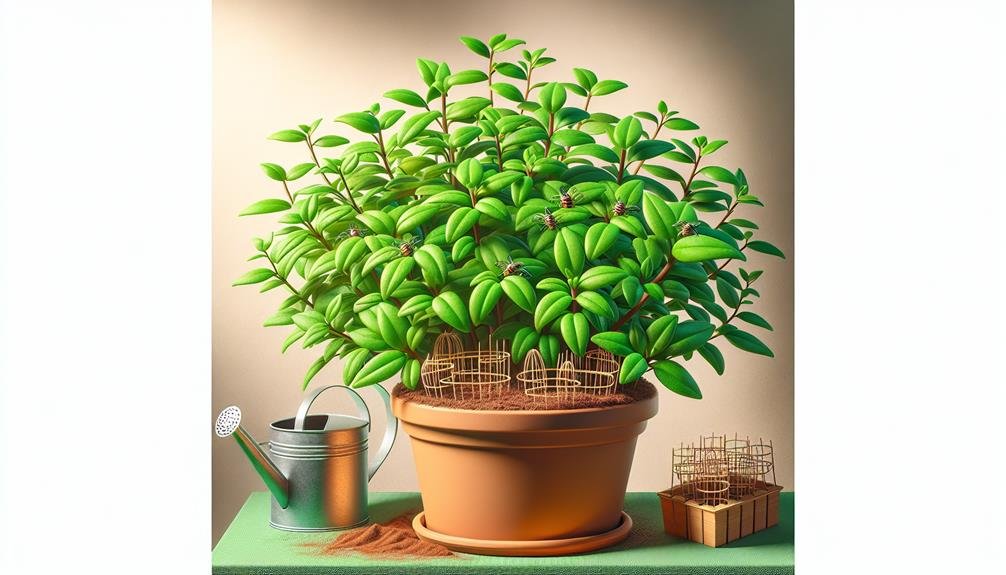
Did you know that fungus gnats are not only annoying but can also cause damage to your beloved houseplants? These pesky pests thrive in moist environments and can quickly multiply, leading to a full-blown infestation if left unchecked.
However, fear not, as there are effective ways to combat these tiny invaders. By implementing a few simple strategies, you can reclaim your plants and ensure they thrive in a gnat-free environment.
Keep reading to discover the key tactics to control fungus gnats in your plants and restore your green oasis to its former glory.
Identifying Fungus Gnat Infestations
To identify fungus gnat infestations in your plants, closely inspect the soil surface for tiny black flies hovering around. These pesky insects are often seen darting back and forth near the plant's base, particularly when the soil is disturbed or watered. Keep an eye out for their small size, measuring only about 1/8 inch long, and their delicate, slender legs. Another sign to watch for is the presence of larvae in the soil, resembling small white worms.
Moreover, pay attention to any yellowing or wilting leaves on your plants, as fungus gnats feed on organic matter in the soil, potentially disrupting the plant's nutrient absorption. If you notice an increase in these symptoms, it might indicate a more significant infestation.
Natural Remedies for Fungus Gnats
If dealing with fungus gnats in your plants, consider utilizing natural remedies as an effective solution. These remedies aren't only eco-friendly but also safe for your plants and pets. One popular natural remedy is using a mixture of water, dish soap, and vinegar in a shallow container placed near the affected plants. The fungus gnats are attracted to the solution and get trapped in it, reducing their population over time.
Another effective natural remedy is applying a layer of sand on top of the soil. This method prevents adult gnats from laying eggs in the soil, disrupting their life cycle. Additionally, introducing beneficial nematodes to the soil can help control fungus gnat larvae. These microscopic organisms feed on the larvae, reducing their numbers and preventing further infestations.
Furthermore, cinnamon powder sprinkled on the soil surface acts as a natural fungicide, killing the fungus that attracts gnats. By incorporating these natural remedies into your plant care routine, you can effectively control fungus gnat infestations without resorting to harsh chemicals.
Improving Plant Drainage to Prevent Gnats
Enhancing plant drainage is crucial in preventing gnats from infesting your plants. Fungus gnats thrive in moist environments, making overwatered plants a prime target. To improve plant drainage, consider repotting your plants in containers with drainage holes to allow excess water to escape. Use well-draining soil mixes that promote good airflow and prevent waterlogging. Additionally, placing a layer of gravel or pebbles at the bottom of the pot can aid in drainage.
When watering your plants, make sure to do so only when the top inch of the soil is dry to the touch. Avoid letting water accumulate in saucers or trays beneath the pots, as this creates a damp environment perfect for gnats to breed. Proper drainage not only helps deter gnats but also promotes healthier root growth and reduces the risk of root rot. By taking steps to improve plant drainage, you can create an inhospitable environment for gnats and safeguard the health of your plants.

Using Sticky Traps for Monitoring and Control
Consider utilizing sticky traps as a practical method for monitoring and controlling fungus gnats in your plants. Sticky traps are an effective way to catch adult gnats, preventing them from laying eggs in the soil and breaking the gnat lifecycle. These traps are easy to use and can be placed directly in the plant's soil or hung near the infested area.
To effectively use sticky traps, make sure to check them regularly for trapped gnats. Replace the traps when they're full or no longer sticky to maintain their efficiency. You can also use yellow sticky traps which are highly attractive to fungus gnats due to their color, increasing the trap's effectiveness.
Adjusting Watering Practices for Gnat Prevention
Adjust your watering practices to effectively prevent fungus gnats in your plants. Overwatering creates a damp environment that attracts gnats and promotes the growth of fungus, which serves as a food source for gnat larvae.
To combat this, water your plants only when the top inch of soil is dry to the touch. Ensure that your pots have proper drainage to prevent water from pooling at the bottom. Consider using pots with drainage holes or adding a layer of gravel at the bottom to improve drainage.
When watering, do so thoroughly but allow excess water to drain out completely. Avoid leaving standing water in saucers or trays underneath the pots.
Frequently Asked Questions
Can Fungus Gnats Spread Diseases to Humans or Pets?
Fungus gnats are annoying pests that primarily target plants, but they generally don't spread diseases to humans or pets. While their presence can be a nuisance, particularly for indoor plants, they aren't known to transmit diseases.
Keeping your plants healthy and implementing effective control measures can help manage fungus gnat populations and prevent any potential issues. Just be mindful of their presence and take appropriate action to keep them in check.
Are There Any Specific Plants That Are More Susceptible to Fungus Gnat Infestations?
Certain plants like African violets, peace lilies, and spider plants are more susceptible to fungus gnat infestations due to their moist soil conditions.
These plants provide an ideal environment for fungus gnats to thrive and reproduce.
It's important to monitor these plants closely for signs of infestation and take proactive measures to control the gnats before they cause damage to the plant's roots.
How Long Does It Usually Take to Completely Get Rid of Fungus Gnats Using Natural Remedies?
To completely get rid of fungus gnats using natural remedies, it usually takes a few weeks. Consistent application and monitoring are key.
Removing excess moisture, using sticky traps, and applying beneficial nematodes can help control the population.
Remember to be patient and persistent in your efforts to eliminate the gnats. It may take time, but with dedication, you can successfully manage the infestation naturally.
Can Fungus Gnats Survive in Soil Without Any Plants Present?
Fungus gnats can survive in soil without any plants present because they feed on organic matter and fungi. They lay eggs in moist soil, which hatch into larvae that can still thrive even without living plants.
These pests can potentially infest a variety of environments, so it's important to be proactive in controlling them to prevent future issues. Regular monitoring and implementing preventative measures are key steps in managing fungus gnat populations effectively.
Are There Any Long-Term Effects on Plants That Have Been Infested by Fungus Gnats?
Long-term effects on plants infested by fungus gnats can be detrimental. These pests not only harm roots but also disrupt the plant's ability to absorb nutrients and water, weakening its overall health.
Without intervention, plants may suffer stunted growth, yellowing leaves, and even death.
Regular monitoring and implementing control measures are crucial to prevent lasting damage to your plants from these pesky insects.
Conclusion
Overall, controlling fungus gnats in your plants can be achieved through various methods:
- Identifying infestations early
- Using natural remedies
- Improving drainage
- Adjusting watering practices
By incorporating these effective strategies, you can effectively manage and prevent fungus gnat issues in your indoor or outdoor plants.
Remember to stay proactive and consistent in your efforts to keep these pesky pests at bay and ensure the health and vitality of your plants.



