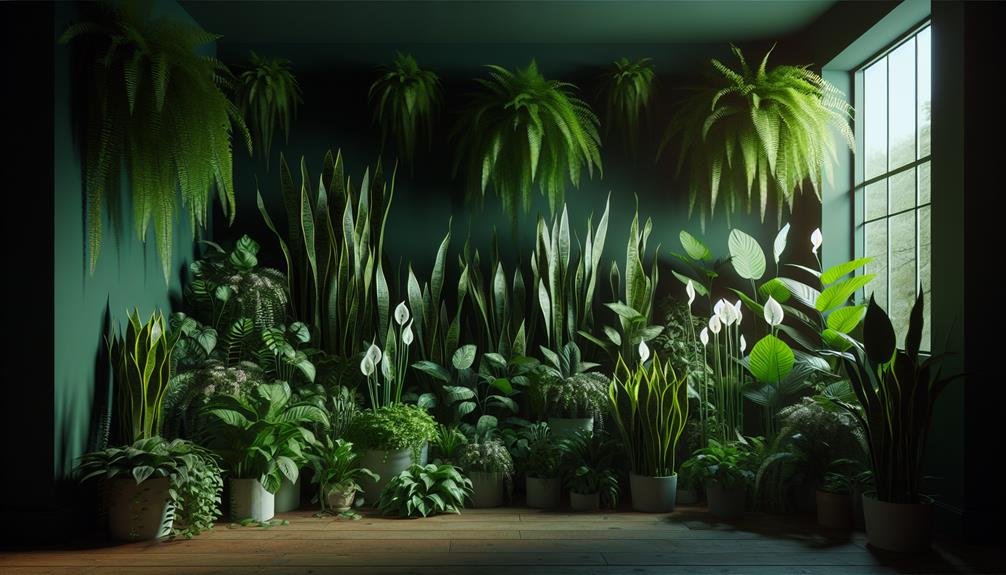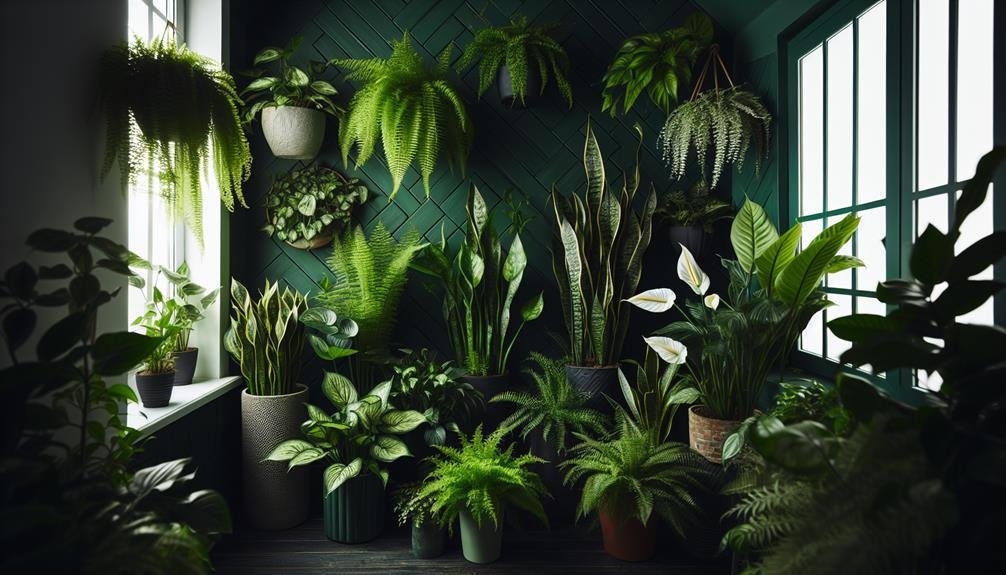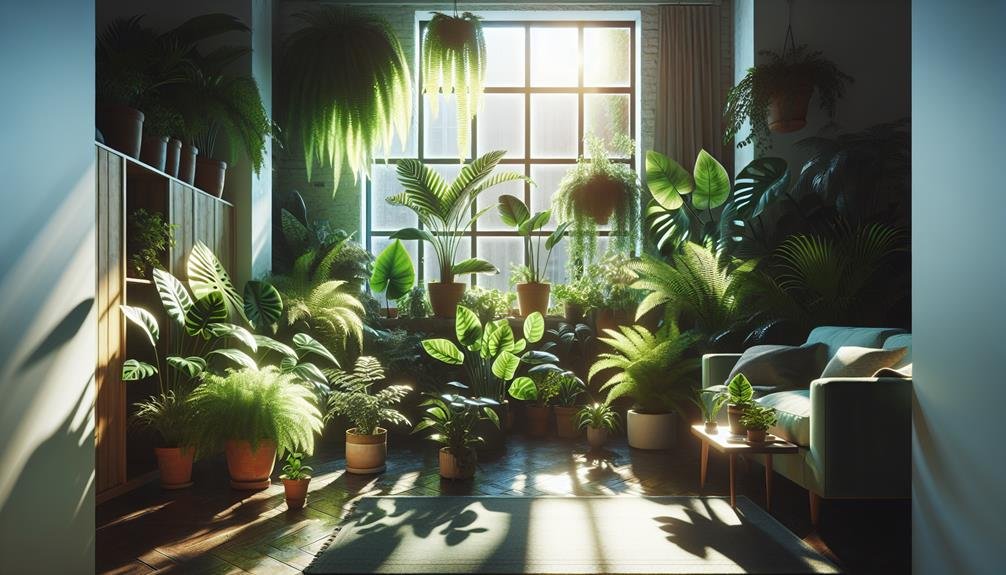
Did you know that according to a NASA study, certain houseplants can effectively remove up to 87% of air toxins in just 24 hours?
Imagine the impact these green companions could have on your home environment.
From improving air quality to adding a touch of natural beauty, houseplants offer a multitude of benefits that cater to your lazy tendencies.
So, if you've ever wondered how you can effortlessly enhance your living space while enjoying cleaner air, the solution might just be a few steps away.
Benefits of Indoor Greenery
Indoor greenery not only adds aesthetic appeal to your living space but also purifies the air you breathe. The presence of plants indoors can significantly improve your overall well-being. When you surround yourself with greenery, you create a calming and peaceful environment that can help reduce stress and anxiety levels. Additionally, indoor plants have been shown to boost mood and productivity, making your living space a more enjoyable place to be.
Having houseplants can also enhance the quality of the air you breathe. Plants have the remarkable ability to absorb harmful toxins and release oxygen, improving the air quality in your home. This can help reduce the risk of respiratory issues and allergies, creating a healthier environment for you and your family. By incorporating indoor greenery into your living space, you not only elevate its visual appeal but also promote better air quality and overall wellness.
Top Air-Purifying Houseplants
Surround yourself with nature's air purifiers by adding these top houseplants to your living space.
First on the list is the Spider Plant (Chlorophytum comosum), known for effectively filtering out formaldehyde and xylene.
Snake Plant (Sansevieria trifasciata) is another excellent choice as it thrives in low light while removing toxins like benzene, formaldehyde, trichloroethylene, and xylene.
If you're looking for a pop of color, the Peace Lily (Spathiphyllum) is a beautiful option that helps eliminate ammonia, benzene, formaldehyde, and trichloroethylene.

The Boston Fern (Nephrolepis exaltata) is a lush addition that excels at removing formaldehyde and xylene.
Lastly, the Rubber Plant (Ficus elastica) not only adds a touch of elegance with its large leaves but also filters out formaldehyde from the air.
Incorporating these air-purifying houseplants into your home won't only enhance your décor but also promote cleaner, fresher air for a healthier indoor environment.
Low-Maintenance Plant Options
Looking for houseplants that require minimal upkeep while still providing air-purifying benefits? Consider adding some low-maintenance plant options to your indoor space.
Snake plants, also known as Sansevieria, are excellent choices for busy individuals. These resilient plants thrive in various light conditions and only need occasional watering.
Another great option is the Spider plant, which not only purifies the air but also adds a touch of green to your home. Spider plants are forgiving when it comes to watering and can even help reduce toxins like formaldehyde in the air.
If you tend to forget about watering your plants, the ZZ plant might be perfect for you. ZZ plants are drought-tolerant and can survive with infrequent watering.
Lastly, the Peace Lily is a beautiful plant that can bloom indoors with low light. This plant is relatively low maintenance and helps improve indoor air quality by removing common toxins.
Adding these low-maintenance plants to your home can enhance your space while requiring minimal effort on your part.
Enhancing Indoor Air Quality
To improve the air quality in your living space, consider incorporating houseplants known for their air-purifying properties. Plants like snake plants, spider plants, and peace lilies are excellent choices as they can help remove common toxins such as formaldehyde, benzene, and trichloroethylene from the air. These plants work by absorbing harmful pollutants through their leaves and roots, releasing oxygen back into the room.
In addition to their air-purifying capabilities, houseplants also add a touch of nature to your indoor environment, creating a more vibrant and welcoming atmosphere. By strategically placing these plants throughout your home, you can enjoy cleaner, fresher air while enhancing the overall aesthetic of your living space.
Remember to choose plants that are well-suited to the lighting conditions in your home to ensure they thrive and continue to purify the air effectively. With just a little effort in selecting the right houseplants, you can significantly enhance the indoor air quality of your home.
Creating a Relaxing Home Environment
For a tranquil living space, consider incorporating elements that promote relaxation and serenity. Start by decluttering your home to create a sense of spaciousness and calm. Opt for soft, soothing colors like pastels or neutrals on your walls and decor. Introduce cozy textures through plush rugs, throw blankets, and cushions to make your space inviting and comfortable.
Natural elements like houseplants can also enhance the peaceful ambiance of your home. Choose low-maintenance plants like snake plants or pothos to bring a touch of nature indoors without adding extra stress to your routine. The presence of greenery can help reduce stress and improve air quality, promoting a tranquil atmosphere.
Incorporate gentle lighting with warm-toned bulbs or candles to create a soft, relaxing glow in the evenings. Consider adding a water feature like a small fountain or tabletop waterfall to introduce the calming sound of flowing water. By combining these elements thoughtfully, you can transform your living space into a sanctuary of relaxation and rejuvenation.
Frequently Asked Questions
Can Houseplants Help Reduce Allergens in the Air?
Yes, houseplants can help reduce allergens in the air. They act as natural air purifiers by absorbing pollutants and releasing oxygen. Different plants have varying abilities to filter out allergens such as dust, mold spores, and pet dander.
Adding houseplants to your living space can improve air quality, making it easier for you to breathe and reducing allergy symptoms. So, consider incorporating them into your home for a healthier environment.
How Often Should I Water My Houseplants?
You should water your houseplants based on their specific needs. Check the soil moisture by sticking your finger about an inch down. If it feels dry, it's time to water.
Different plants have different watering requirements, so it's essential to research each plant type. Overwatering can lead to root rot, while underwatering can cause wilting.
Finding the right balance will keep your houseplants healthy and thriving.
Are There Any Houseplants That Are Safe for Pets?
When looking for houseplants safe for pets, stick to options like spider plants, Boston ferns, and African violets. These choices are non-toxic to your furry friends and can still add a touch of green to your home.
Remember to research specific plants as some can be harmful to pets if ingested. Keeping your pets' safety in mind while selecting houseplants is crucial for a harmonious living environment.
What Are Some Common Pests That Can Affect Indoor Plants?
Common pests that can affect indoor plants include:
- Aphids
- Spider mites
- Mealybugs
- Fungus gnats
These pests can damage your plants by feeding on them or spreading diseases. To tackle these issues, regularly inspect your plants for any signs of infestation. If you spot pests, consider using natural remedies or insecticidal soaps to get rid of them.
Proper care and maintenance can help keep your indoor plants healthy and pest-free.
Can Houseplants Help Improve Mental Health and Reduce Stress Levels?
Houseplants can indeed help improve mental health and reduce stress levels. By bringing a touch of nature indoors, they can create a calming environment that promotes relaxation.
Caring for plants also provides a sense of purpose and accomplishment, which can boost your mood and overall well-being.
Conclusion
So, why not bring some greenery into your home? Houseplants not only freshen up the air, but they also require minimal effort to maintain.
With a variety of low-maintenance options available, you can easily enhance your indoor air quality and create a calming atmosphere without breaking a sweat.
So go ahead, add some nature to your space and enjoy the benefits of having your very own air-purifying companions.