You may think keeping houseplants alive requires constant attention and care, but what if we told you there are plants that actually thrive when you forget about them? Imagine having lush greenery in your home without the stress of daily maintenance.
These resilient plants not only survive but thrive in neglect, making them perfect for those with busy schedules or a tendency to forget watering routines. Interested in transforming your space with minimal effort? Keep reading to discover the top picks for low-maintenance houseplants that can withstand a bit of neglect.
Succulents: Easy-Care and Stylish Choices
Succulents make ideal choices for those seeking easy-care and stylish houseplants. These trendy plants come in various shapes, sizes, and colors, making them versatile additions to any space. Whether you're a seasoned plant parent or just starting your green journey, succulents are forgiving and low-maintenance, perfect for those with busy schedules or forgetful tendencies. With their ability to store water in their leaves, succulents can survive in arid conditions and require minimal watering.
One key tip for caring for succulents is to ensure they've well-draining soil to prevent root rot. Additionally, placing them in bright, indirect light will help them thrive. Succulents also make great decor pieces, adding a touch of nature to your home without requiring constant attention. From the popular echeveria to the unique lithops, there's a succulent variety that will suit your style and preferences. So, why not bring a bit of the desert into your living space with these chic and undemanding plants?
Snake Plant: The Ultimate Low-Maintenance Plant
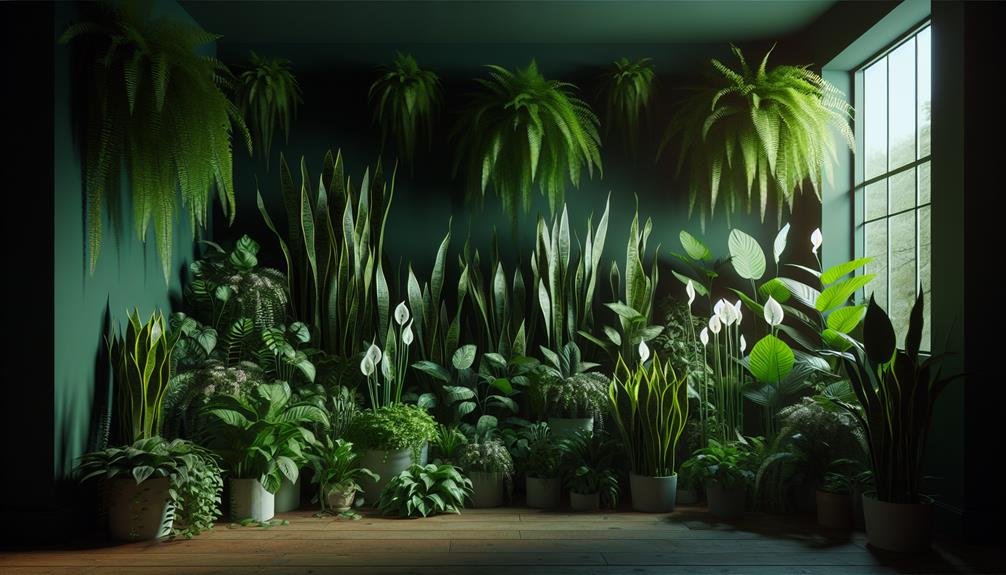
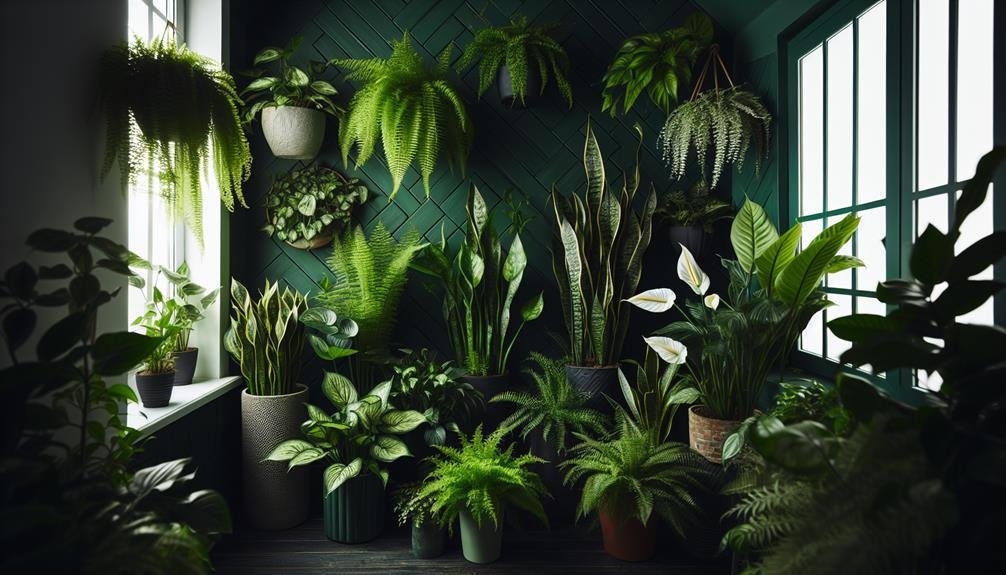
Looking to expand your collection of low-maintenance houseplants? Consider the Snake Plant, a resilient and easy-to-care-for option that thrives even in neglect. Also known as Sansevieria or Mother-in-Law's Tongue, this plant features striking tall, sword-shaped leaves that come in various shades of green. One of the Snake Plant's key attributes is its ability to tolerate low light conditions, making it ideal for those dimly lit corners of your home where other plants struggle to survive.
In addition to its adaptability to different light levels, the Snake Plant is a champion when it comes to surviving irregular watering schedules. This plant has thick, succulent leaves that store water efficiently, allowing it to go for extended periods without watering. Whether you tend to forget about your plants or simply prefer a hands-off approach to care, the Snake Plant is a reliable choice that will continue to thrive with minimal intervention. Add this resilient beauty to your indoor garden for a touch of green that requires little effort on your part.
ZZ Plant: Resilient and Forgiving Foliage
With its vibrant green leaves and forgiving nature, the ZZ Plant stands out as a resilient addition to any indoor space. This plant thrives on neglect, making it an ideal choice for those who may not have a green thumb.
The ZZ Plant requires minimal watering and can survive in low light conditions, making it perfect for busy individuals or those new to plant care. Its waxy leaves help it retain moisture, reducing the frequency of watering needed.
ZZ Plants are also known for their air-purifying qualities, improving the overall air quality in your home. These plants grow slowly, so you won't have to worry about constant pruning or repotting.
With its ability to bounce back from neglect and adapt to various environments, the ZZ Plant is a low-maintenance option that adds a touch of greenery to any room without demanding too much attention.

Pothos: Versatile and Hardy Vine
If you're seeking a resilient and versatile plant for your indoor space, consider the Pothos vine. Pothos, also known as Devil's Ivy, is an excellent choice for both beginner and experienced plant owners. This hardy vine can thrive in various light conditions, from low light to bright, indirect light. Its glossy green leaves come in different variegations, adding a pop of color to any room.
Pothos is low-maintenance and can tolerate occasional neglect, making it a perfect plant for busy individuals. It requires watering only when the soil is dry to the touch and can bounce back quickly if forgotten. The vine's trailing nature makes it ideal for hanging planters or as a cascading feature on shelves.
Not only is Pothos visually appealing and easy to care for, but it also helps purify the air by removing toxins like formaldehyde and benzene. With its adaptability and air-purifying qualities, Pothos is a must-have addition to any indoor garden.
Aloe Vera: Beauty With Benefits
Consider adding Aloe Vera to your indoor garden for both its beauty and numerous benefits. Aloe Vera isn't only an attractive addition to your space with its striking, fleshy leaves and minimal care requirements, but it also offers a range of practical advantages.
This succulent is well-known for its healing properties, particularly its ability to soothe skin irritations like sunburns and minor cuts. Having an Aloe Vera plant at home provides you with a natural remedy for various skin issues, making it a valuable asset in your household.
Additionally, Aloe Vera can help purify the air in your living environment by removing harmful toxins, making it an excellent choice for those looking to improve indoor air quality.
With its low-maintenance nature and multiple benefits, Aloe Vera is a versatile plant that not only enhances the visual appeal of your indoor garden but also contributes to your well-being.
Frequently Asked Questions
Can These Houseplants Survive in Low Light Conditions?
Yes, these houseplants can survive in low light conditions. They're hardy and adaptable, requiring minimal sunlight to thrive. Even in dimly lit spaces, they'll continue to grow and remain healthy.
With their resilience and ability to make do with less light, these plants are ideal for areas with limited natural light. Just remember to water them occasionally and they'll flourish in your low light environment.
How Often Should I Water These Houseplants?
You should water these houseplants sparingly, as they can handle neglect well. Overwatering can harm them, so it's best to let the soil dry out between waterings.
Check the moisture level by sticking your finger into the soil; if it's dry an inch or so down, it's time to water. Remember, less is more with these resilient plants—too much water can do more harm than good.
Are These Houseplants Safe for Pets to Be Around?
If you're wondering about the safety of these houseplants for your pets, it's essential to research each specific plant.
Some houseplants can be toxic to animals if ingested. Be cautious and look up each plant's toxicity level before bringing them into your home.
It's better to be safe and informed when it comes to your furry friends' well-being.
Do These Houseplants Require Any Special Soil or Fertilizer?
When caring for these houseplants, you don't need special soil or fertilizer. They're quite low-maintenance and can thrive in regular potting mix. Just ensure the soil drains well to prevent root rot.
Water sparingly and only when the top inch of soil is dry. Fertilize occasionally during the growing season, but they don't require frequent feeding. Stick to a basic fertilizer and dilute it to half strength to avoid over-fertilization.
Can These Houseplants Be Placed Outdoors During Certain Seasons?
During certain seasons, you can definitely place these houseplants outdoors. However, it's essential to consider the specific needs of each plant.
Some may prefer more sunlight, while others thrive in the shade. Make sure to monitor the weather conditions and ensure the plants are protected from extreme temperatures or strong winds.
With proper care and attention, your houseplants can enjoy a breath of fresh air outside.
Conclusion
So there you have it – even if you're not the most attentive plant parent, there are still plenty of houseplants that can thrive in neglect.
From easy-care succulents to low-maintenance snake plants, there's a plant out there for everyone.
So don't be afraid to bring some greenery into your home, even if you don't have a green thumb.
With the right plants and a little bit of love, you can enjoy a touch of nature indoors.