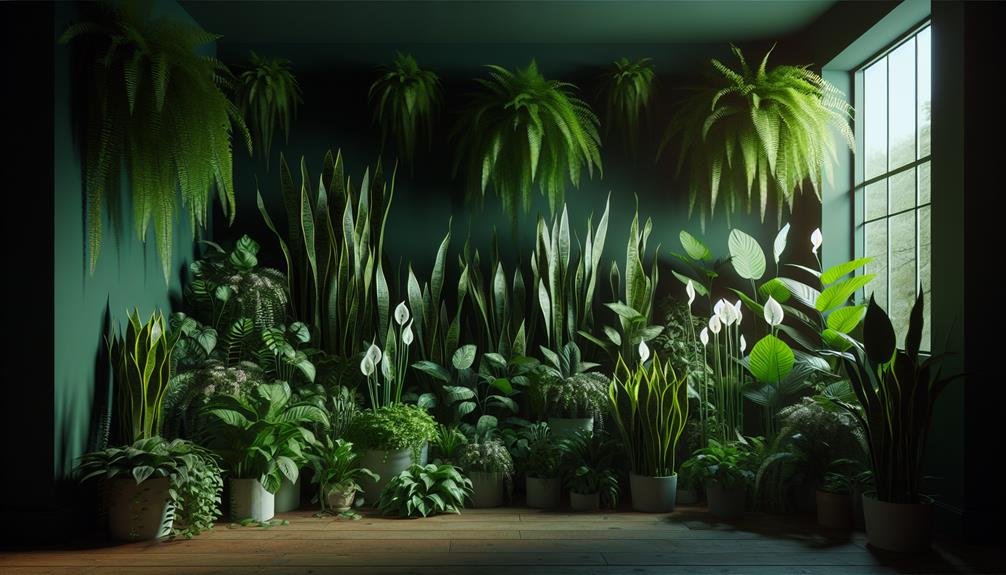
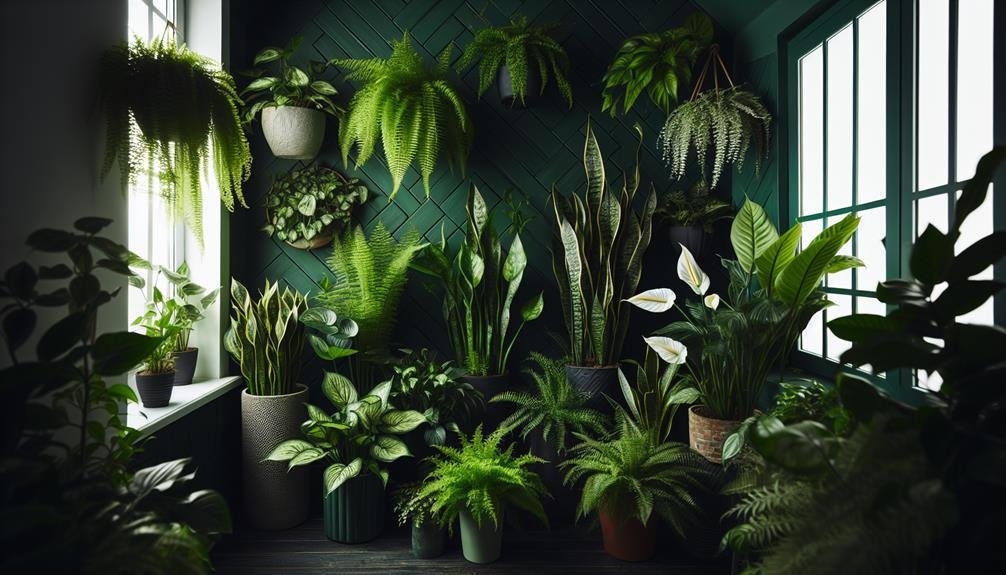
When considering the placement of your green companions, one might ponder the subtle distinctions between indoor and outdoor houseplants. The decision isn't always as straightforward as it seems. Factors like sunlight, temperature, and space play crucial roles in determining the ideal environment for your botanical friends.
As you weigh the pros and cons, it becomes evident that each setting offers unique benefits that cater to different needs. So, which one will emerge victorious in the battle of indoor versus outdoor houseplants?
Benefits of Indoor Houseplants
When caring for indoor houseplants, you'll discover a multitude of benefits that can enhance your living space and well-being. Not only do indoor plants add a touch of natural beauty to your home decor, but they also improve air quality by absorbing carbon dioxide and releasing oxygen through photosynthesis. This process can help reduce air pollutants and increase humidity levels, creating a healthier environment for you to thrive in.
Having indoor houseplants can also boost your mood and overall well-being. Studies have shown that being around plants can lower stress levels, reduce feelings of anxiety, and even improve concentration and productivity. The act of caring for plants, watering them, and watching them grow can provide a sense of purpose and fulfillment, promoting mental wellness.
Furthermore, indoor houseplants have been known to help with sound absorption, making your home quieter and more peaceful. By placing plants strategically around your living space, you can minimize echoes and create a more serene atmosphere for relaxation and focus. So, next time you consider adding greenery to your home, remember the numerous benefits that indoor houseplants can offer.
Advantages of Outdoor Houseplants
Enhance your outdoor living space with the numerous benefits that outdoor houseplants bring, from adding natural beauty to improving air quality. Outdoor houseplants have the advantage of receiving ample sunlight, which is essential for their growth and overall health. The direct exposure to natural sunlight helps outdoor plants thrive and produce vibrant blooms or lush foliage.
Additionally, outdoor houseplants contribute to creating a calming and peaceful environment in your outdoor space. The presence of greenery and colorful flowers can uplift your mood and reduce stress levels. These plants also attract beneficial insects like butterflies and bees, promoting biodiversity in your garden.
Outdoor houseplants play a crucial role in purifying the air by absorbing carbon dioxide and releasing oxygen during the process of photosynthesis. They help in improving the overall air quality around your home, making your outdoor space a healthier place to relax and unwind. Consider incorporating a variety of outdoor houseplants to enjoy these advantages and create a beautiful outdoor sanctuary.
Factors to Consider Before Choosing
Before selecting outdoor houseplants, it's essential to consider several factors to ensure their successful growth and maintenance.
Firstly, assess the climate in your region. Different plants thrive in specific climates, so choose ones that are suitable for your local weather conditions.

Sunlight exposure is another crucial factor to ponder. Some plants require full sun, while others thrive in partial shade, so be mindful of the sunlight patterns in your outdoor space.
Consider the space available in your garden or balcony; larger plants need more room to grow, while smaller ones can thrive in pots.
Additionally, think about the maintenance level you're comfortable with. Some outdoor plants require more attention and care than others, so choose ones that align with the time you can dedicate to their upkeep.
Lastly, take into account the soil quality in your outdoor area. Ensure the soil is suitable for the plants you choose, or be prepared to amend it accordingly for optimal growth.
Maintenance Requirements for Indoor Plants
Considering the varying maintenance requirements between outdoor and indoor plants, now let's focus on the care needed for indoor plants to ensure their health and vitality.
Indoor plants require regular watering to keep the soil moist but not waterlogged. It's essential to monitor the plant's specific watering needs as overwatering can lead to root rot.
Additionally, indoor plants benefit from occasional misting to increase humidity levels, especially during dry seasons. Dusting the plant's leaves with a damp cloth helps the plant photosynthesize efficiently.
Fertilizing indoor plants is crucial to provide essential nutrients they may not get from their limited soil environment. Pruning dead or yellowing leaves and flowers promotes healthy growth and prevents the spread of diseases.
Lastly, inspect indoor plants regularly for signs of pests like spider mites or aphids, and take prompt action to prevent infestations. By following these maintenance tips, you can ensure your indoor plants thrive and enhance your indoor space.
Tips for Successful Indoor and Outdoor Gardening
For successful indoor and outdoor gardening, proper planning and regular maintenance are key to ensuring healthy and thriving plants. When it comes to indoor gardening, make sure to place your plants in areas that receive adequate sunlight and provide proper drainage for pots to prevent overwatering. Consider the humidity levels in your home and choose plants that thrive in those conditions. Regularly dusting the leaves, checking for pests, and repotting when necessary will help your indoor plants flourish.
On the other hand, outdoor gardening requires attention to the specific needs of each plant. Take into account the sunlight requirements, soil quality, and watering needs of your outdoor plants. Mulching can help retain moisture and regulate soil temperature. Regularly inspect your plants for any signs of disease or pests and take prompt action to prevent them from spreading.
Whether indoors or outdoors, consistent care, such as watering on schedule, fertilizing appropriately, and pruning when needed, will promote strong and healthy growth in your garden. By following these tips, you can enjoy a successful gardening experience and watch your plants thrive.
Frequently Asked Questions
Can Indoor Houseplants Help Improve Air Quality in My Home?
Indoor houseplants can indeed help improve air quality in your home. They absorb carbon dioxide and release oxygen through photosynthesis, which can reduce toxins in the air.
Certain plants are known for their air-purifying abilities, such as spider plants and peace lilies.
Are There Any Outdoor Houseplants That Can Thrive Indoors?
When you think about outdoor plants thriving indoors, it's essential to consider factors like sunlight, temperature, and humidity.
While some outdoor plants can adapt to indoor conditions with proper care, not all will thrive. Look for plants like succulents, snake plants, or pothos, known for their resilience and ability to withstand varying light levels.
Remember to monitor their needs closely to ensure they stay healthy and vibrant inside your home.
How Can I Protect My Indoor Houseplants From Pests and Diseases?
To protect your indoor houseplants from pests and diseases, regularly inspect them for any signs of trouble. Keep a close eye on the leaves, stems, and soil for any unusual changes.
Wipe down leaves to remove dust that can attract pests. Avoid overwatering to prevent root rot.
If you notice any issues, take immediate action to treat the problem before it spreads to other plants.
What Are Some Creative Ways to Display Indoor Houseplants in My Home?
To display indoor houseplants creatively in your home, consider hanging them in macramé plant hangers to add a boho touch.
You can also group plants of varying heights on a decorative shelf or create a mini indoor garden in a terrarium.
Don't forget to mix and match pots for added visual interest.
These simple ideas can elevate the look of your space and bring nature indoors effortlessly.
Are There Any Specific Outdoor Houseplants That Are Low-Maintenance and Suitable for Beginners?
Looking to start your outdoor plant journey with ease? Opt for low-maintenance options like succulents, such as aloe vera or sedum. These hardy plants can thrive with minimal care and are perfect for beginners.
Just ensure they receive adequate sunlight and well-draining soil. With these outdoor houseplants, you can enjoy the beauty of nature right in your own backyard without the stress of high maintenance.
Conclusion
Overall, both indoor and outdoor houseplants offer unique benefits and advantages.
Indoor houseplants can improve air quality and add a touch of nature to your living space, while outdoor houseplants can thrive under natural sunlight and fresh air.
Consider factors such as space, light exposure, and maintenance before choosing between indoor and outdoor plants.
With proper care and attention, both types of houseplants can flourish and bring beauty to your home.