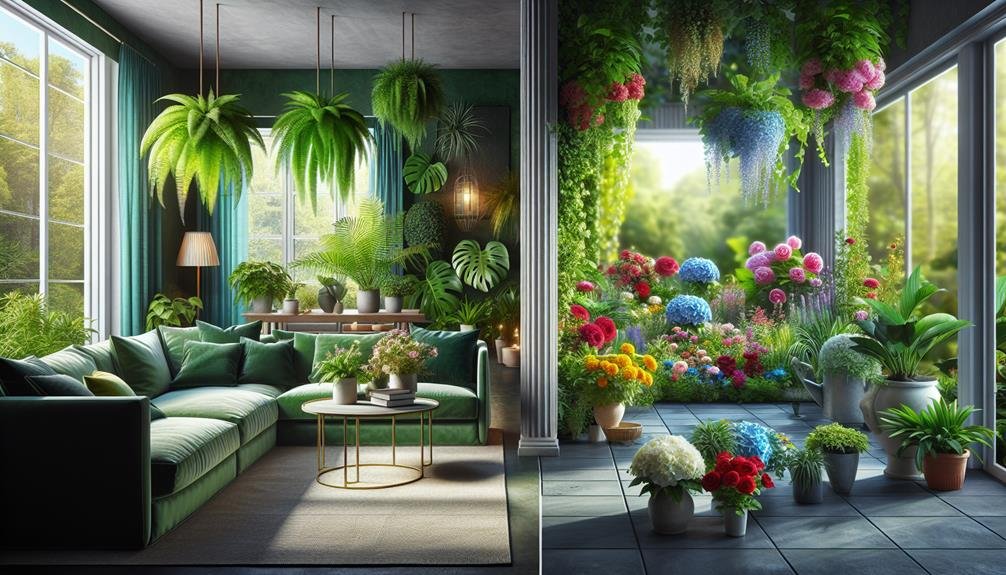
Imagine your home as a canvas, waiting for the perfect brushstroke to bring it to life. Just as different strokes create unique masterpieces, the choice between indoor and outdoor plants can transform your living space in distinct ways.
Each option offers its own set of benefits and considerations, shaping not just your environment but also your well-being. So, which path will you choose to cultivate your personal oasis?
Benefits of Indoor Plants
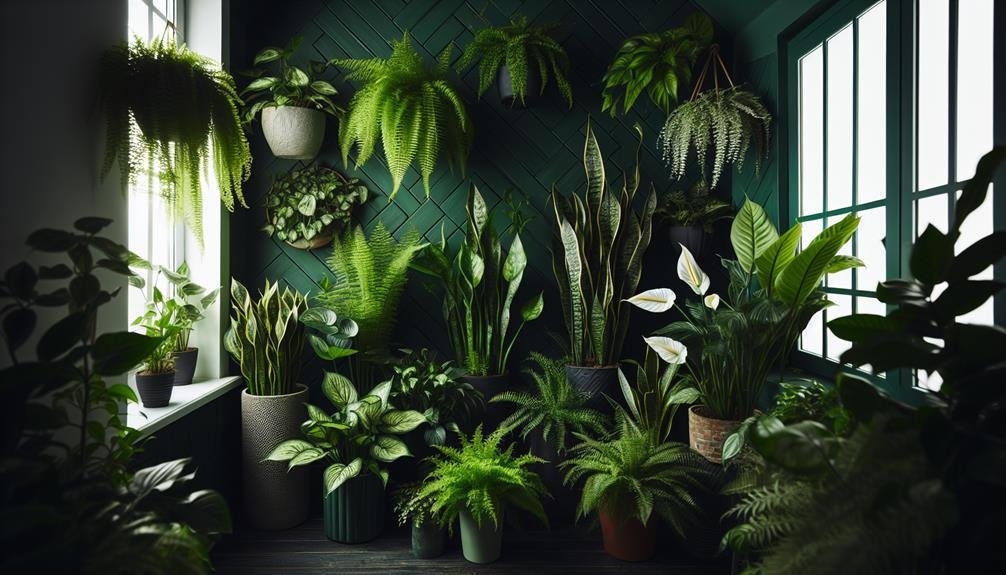
Indoor plants not only add beauty to your living space but also improve air quality and boost your mood. These green companions aren't just decorations; they're natural air purifiers, absorbing toxins and releasing oxygen. By having indoor plants, you're creating a healthier environment for yourself. Studies have shown that indoor plants can reduce stress, anxiety, and fatigue. Just by being around these plants, you may find yourself feeling more relaxed and at ease.
Furthermore, indoor plants can enhance your focus and productivity. The presence of greenery has been linked to improved concentration and memory retention. Whether you place them in your home office or study area, indoor plants can help create a conducive environment for learning and working. Additionally, caring for indoor plants can be a rewarding hobby, providing a sense of accomplishment as you watch them thrive under your care.
Advantages of Outdoor Plants
If you want to expand your green oasis beyond the confines of your indoor space, outdoor plants offer a multitude of advantages that can enhance your connection to nature.
The primary advantage of outdoor plants is the abundance of natural light available. Sunlight is essential for plant growth, and outdoor plants have direct access to the sun's rays, promoting their overall health and vitality. Additionally, outdoor plants have more space to grow and spread their roots, allowing them to reach their full potential in terms of size and beauty.
Outdoor plants also contribute to a more diverse ecosystem. They attract beneficial insects like bees and butterflies, which help with pollination and create a healthier environment.
Furthermore, outdoor gardening can be a great form of exercise and stress relief. Tending to plants outdoors allows you to connect with nature, breathe in fresh air, and enjoy the therapeutic benefits of working with soil.
Considerations for Indoor Gardening
When delving into indoor gardening, it's essential to consider the specific lighting requirements of your plants. Different plants have varying needs when it comes to light exposure. Some plants thrive in bright, direct sunlight, while others prefer indirect or even low light conditions. Before selecting your indoor plants, assess the natural light available in your home. South-facing windows typically receive the most sunlight throughout the day, making them ideal for light-loving plants. East and west-facing windows offer moderate light levels, suitable for a wide range of plants. North-facing windows receive the least amount of sunlight and are best for low-light plants.
Additionally, consider the humidity levels in your home. Most indoor plants prefer moderate to high humidity levels. If your home is particularly dry, you may need to increase humidity through methods like using a humidifier or placing a tray of water near your plants. Proper ventilation is also crucial to prevent mold and mildew growth in indoor gardens. By understanding and addressing these key considerations, you can create a thriving indoor garden that suits both your plants' needs and your living environment.

Factors to Keep in Mind for Outdoor Gardening
Considering the different environment and conditions, outdoor gardening presents unique factors to keep in mind for successful plant cultivation.
First, sunlight is crucial for outdoor plants. Ensure your garden receives the right amount of sunlight based on the plant's requirements; some plants thrive in full sun, while others prefer partial shade.
Second, water management is key. Outdoor plants may need more frequent watering, especially during hot weather. Be mindful of drainage to prevent waterlogging.
Third, soil quality plays a significant role. Test your soil to determine its pH level and nutrient content, amending it as needed to create a hospitable environment for your plants.
Additionally, outdoor gardening requires pest management. Monitor your plants regularly for pests and diseases, opting for natural remedies or pesticides when necessary.
Lastly, consider the climate in your region. Choose plants that are suitable for your local climate to increase their chances of thriving. By keeping these factors in mind, you can create a flourishing outdoor garden.
Making the Best Choice for You
When deciding between indoor and outdoor plants, consider your lifestyle and available time for plant care to make the best choice for you.
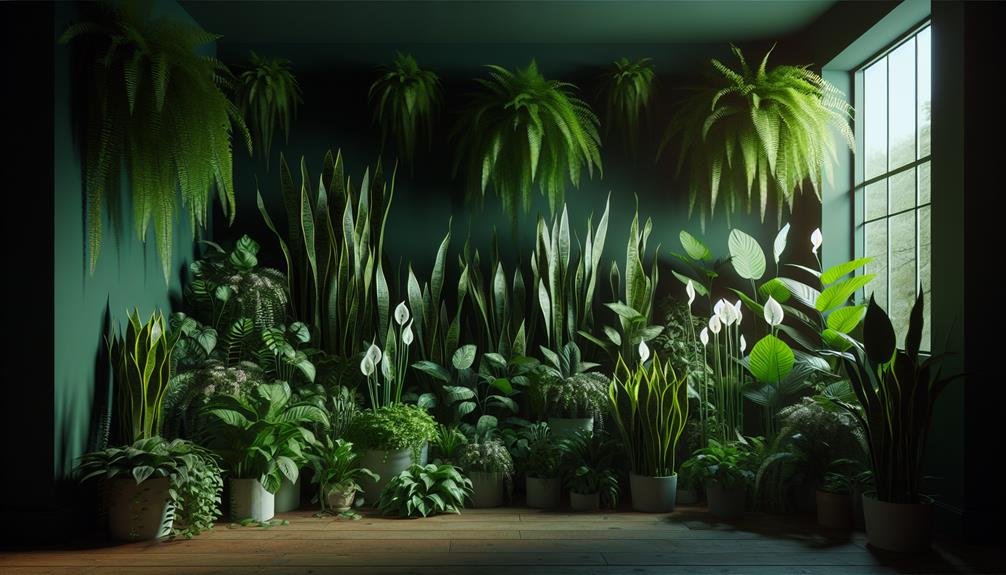
If you have a busy schedule or travel frequently, low-maintenance indoor plants like succulents or snake plants might be the better option. These plants require minimal watering and can thrive in various light conditions, making them perfect for those with limited time for plant care.
On the other hand, if you enjoy spending time outdoors and have a green thumb, outdoor gardening could be a rewarding choice. Outdoor plants like vegetables, flowers, or herbs can provide a sense of accomplishment and connection with nature. However, they do require more attention and regular maintenance, including watering, pruning, and pest control.
Assessing your commitment to plant care and your preferences for indoor or outdoor environments will help you make an informed decision that suits your lifestyle and brings you joy.
Frequently Asked Questions
Can Indoor Plants Survive in Low Light Conditions?
Yes, indoor plants can survive in low light conditions, but they may not thrive as much as they would in brighter light.
It's essential to choose plants that are suitable for low light environments, like snake plants, pothos, or peace lilies. These plants are more adaptable to less light and can still grow and survive with proper care, such as occasional rotation to ensure all sides receive some light.
How Often Should Outdoor Plants Be Watered During Different Seasons?
During different seasons, outdoor plants need varying amounts of water. In the summer, when it's hot, you should water them more frequently, sometimes daily.
In the spring and fall, a few times a week might be sufficient. Winter, however, generally requires less watering, maybe once a week or every other week, depending on the weather conditions.
Always monitor the soil moisture and adjust your watering schedule accordingly to keep your outdoor plants healthy.
Are There Any Specific Indoor Plants That Are Pet-Friendly?
When choosing indoor plants that are pet-friendly, it's important to consider the safety of your furry companions. Some pet-friendly options include spider plants, Boston ferns, and African violets. These plants are non-toxic to pets and can coexist peacefully in your home.
Remember to research specific plants to ensure they're safe for your pets before bringing them indoors. Enjoy a green space that's safe for both you and your furry friends.
What Are Some Common Pests That Indoor Plants May Attract and How Can They Be Controlled?
Common pests that indoor plants may attract include spider mites, aphids, and mealybugs. To control these pests, regularly inspect your plants for any signs of infestation.
You can wipe down leaves with a damp cloth, spray them with insecticidal soap, or introduce beneficial insects like ladybugs. Make sure to isolate any heavily infested plants to prevent the pests from spreading.
Regular maintenance and monitoring are key to keeping your indoor plants healthy.
How Can Outdoor Plants Be Protected From Extreme Weather Conditions Such as Frost or Heatwaves?
To protect outdoor plants from extreme weather like frost or heatwaves:
- Cover them with fabric or plastic during cold snaps and provide shade during heatwaves.
- Water plants deeply before extreme conditions hit and mulch around their base to help regulate soil temperature.
- Monitor weather forecasts regularly and take preventative measures in advance to shield your outdoor plants from the harsh elements.
Conclusion
When deciding between indoor and outdoor plants, consider your lifestyle, space, and gardening preferences. Indoor plants offer benefits like air purification and stress reduction, while outdoor plants thrive in natural sunlight and fresh air.
Whether you choose to bring the outdoors inside or cultivate a garden outdoors, both options can bring beauty and tranquility to your surroundings. Ultimately, the best choice for you depends on your individual needs and preferences.
Happy gardening!