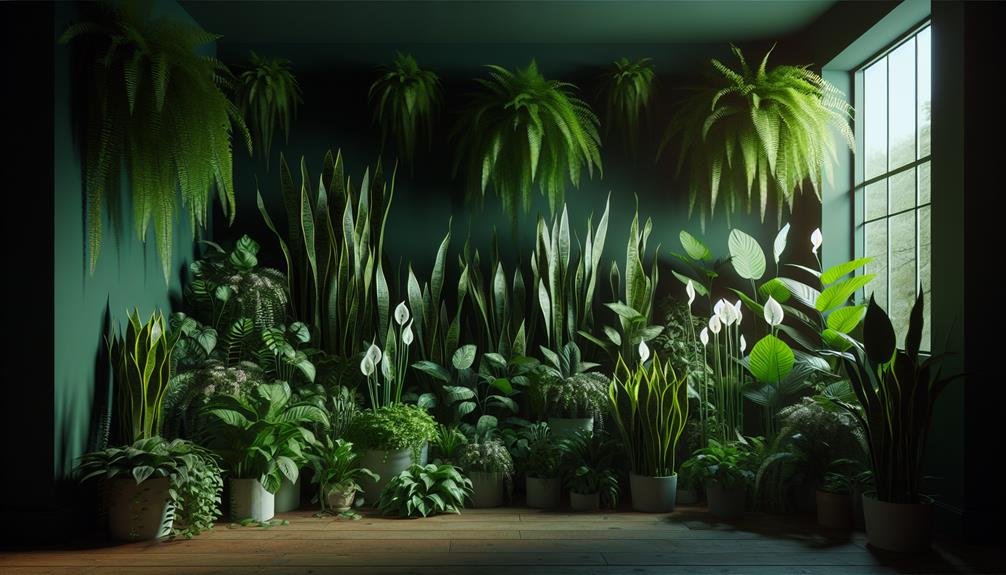
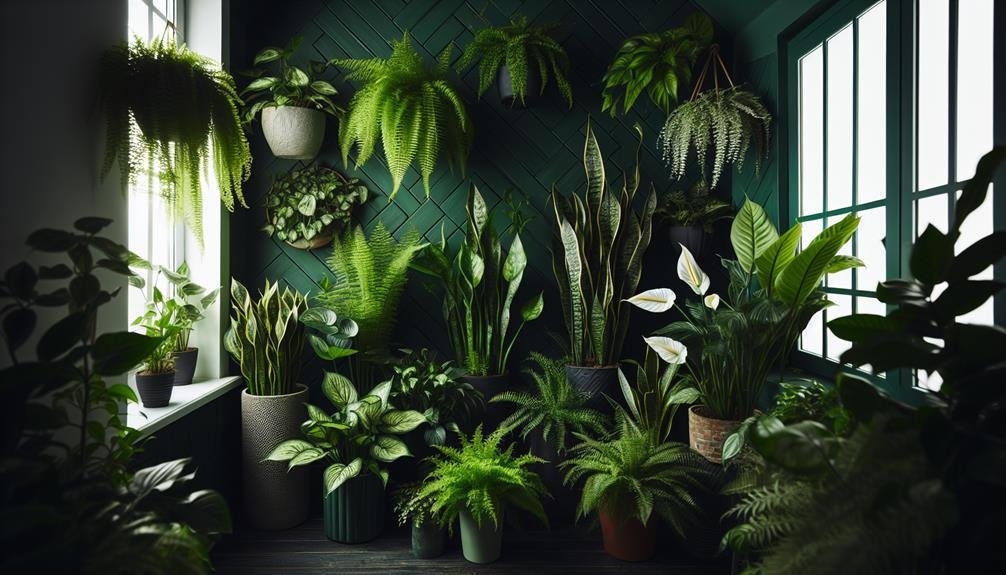
Imagine having a plant that thrives in the shadows, quietly adding a touch of green to your space without demanding constant attention. Picture a resilient companion that requires minimal care, yet still manages to brighten up your room with its presence.
With the right selection of low light indoor plants, you can effortlessly transform any dim corner into a lush oasis.
But how do you choose the perfect plant that suits your lifestyle and space? Let's explore the world of low light indoor plants that promise to bring life to your home with ease.
Benefits of Low Light Plants
Discover the advantages of incorporating low light plants into your indoor spaces. Low light plants aren't just aesthetically pleasing additions to your home; they also come with a plethora of benefits. Firstly, these plants are perfect for areas in your home that don't receive much natural light, making them versatile and easy to maintain. They can thrive in spaces where other plants may struggle, adding a touch of greenery to even the darkest corners.
Moreover, low light plants are known for their air-purifying qualities. By absorbing carbon dioxide and releasing oxygen, they help improve the air quality in your home, creating a healthier environment for you and your family. Additionally, these plants can boost your mood and reduce stress levels. Studies have shown that being around plants can have a calming effect on the mind, making low light plants a great choice for enhancing your overall well-being.
Top 5 Low Light Plants
When considering low light plants for your indoor spaces, it's essential to know which varieties thrive best in such conditions. Here are the top 5 low light plants that are perfect for your home or office.
First on the list is the Peace Lily, known for its elegant white blooms and air-purifying qualities.
Next up is the Snake Plant, a hardy plant that requires minimal watering and can survive in low light environments.
The Spider Plant is another great choice, with its unique arching leaves and easy care routine.
If you're looking for a pop of color, the Chinese Evergreen is a fantastic option, featuring variegated foliage in shades of green and silver.

Lastly, the ZZ Plant is a low maintenance plant that thrives in low light and is perfect for beginners.
These top 5 low light plants not only add beauty to your space but also improve air quality and require minimal care.
Care Tips for Minimal Maintenance
For minimal maintenance of your low light indoor plants, implement a consistent watering schedule and ensure proper drainage to prevent overwatering. Overwatering is a common issue that can lead to root rot and other problems. To avoid this, water your plants only when the top layer of soil feels dry to the touch. This simple practice will help maintain the health of your plants without much effort.
Another care tip for low light indoor plants is to periodically dust their leaves. Dust can accumulate on the leaves, blocking sunlight absorption and hindering photosynthesis. Wiping the leaves gently with a damp cloth will keep them clean and allow the plants to thrive.
In addition, monitor your plants for any signs of pests or diseases. Early detection can prevent these issues from spreading and causing damage to your plants. Regularly inspect the leaves, stems, and soil for any abnormalities and take appropriate action if necessary.
Creative Ways to Display Plants
To enhance the aesthetic appeal of your low light indoor plants, consider exploring creative ways to display them in your living space. Hanging planters can add a touch of elegance, especially for trailing plants like pothos or spider plants. Macramé hangers or stylish hooks can elevate your plants, making them a focal point in any room.
Utilize decorative shelves to create a mini indoor garden, arranging plants at different heights for visual interest. Another option is to place plants in unique containers such as vintage teacups, geometric terrariums, or colorful ceramic pots. Grouping plants together in clusters can create a lush and vibrant display, enhancing the overall ambiance of your space.
Additionally, using a plant stand or plant ladder can add dimension to your plant setup, allowing you to showcase multiple plants in a compact area. Get creative with your plant displays to bring a touch of nature indoors while adding a stylish element to your decor.
Troubleshooting Common Plant Issues
Address common plant issues promptly to ensure the health and vitality of your indoor greenery. Yellowing leaves may indicate overwatering, while brown tips could signal underwatering. Adjust your watering schedule accordingly.
If you notice pests like aphids or spider mites, gently wipe the leaves with a damp cloth or use insecticidal soap to keep them at bay. Lack of growth may result from insufficient light; consider relocating your plant to a brighter spot.
On the other hand, if your plant becomes leggy or spindly, it might be receiving too much light. Prune back leggy growth to encourage a bushier appearance. Root rot, often caused by waterlogged soil, can be addressed by repotting your plant in fresh, well-draining soil.
Fungus gnats are a common nuisance but can be controlled by letting the soil dry out between waterings. By promptly identifying and addressing these common plant issues, you can ensure your indoor plants thrive and continue to brighten up your space.
Frequently Asked Questions
Can Low Light Indoor Plants Survive in Rooms With No Windows?
In rooms without windows, low light indoor plants may struggle to thrive due to the lack of natural sunlight. Plants need sunlight for photosynthesis, a crucial process for their growth.
Without windows, consider using artificial grow lights to provide the necessary light spectrum for your plants. LED or fluorescent lights can mimic natural sunlight and help your plants survive and grow. Remember to adjust the light duration and intensity based on the plant species' requirements.
Are There Any Low Light Plants That Are Safe for Pets to Be Around?
When selecting low light plants for your home, it's important to consider pet safety. Some plants can be harmful to animals if ingested. Research pet-friendly low light options like spider plants, Boston ferns, or African violets.
These plants are safe for your furry friends to be around and add a touch of greenery to your space. Keep your pets healthy and your home stylish with these pet-friendly indoor plants.
How Often Should I Water Low Light Indoor Plants?
Water low light indoor plants when the top inch of soil feels dry to the touch. Stick your finger in the soil to check. Overwatering can harm the plants, so it's better to underwater than overwater. Make sure the pots have drainage holes to prevent waterlogging. Adjust the frequency based on the specific plant's needs.
Can Low Light Plants Help Improve Indoor Air Quality?
Yes, low light plants can indeed help improve indoor air quality. They're known to absorb toxins and produce oxygen, creating a healthier environment for you.
By having these plants in your home, you can reduce pollutants and enhance the overall air quality.
Consider adding low light plants to your indoor space to enjoy the benefits they bring to your well-being.
Are There Any Low Light Plants That Can Thrive in High Humidity Environments?
In high humidity environments, low light plants like peace lilies, spider plants, and ferns can thrive. These plants enjoy the moisture in the air, making them well-suited for such conditions.
Providing them with occasional watering and indirect light will help them flourish in your space. Consider incorporating these green companions to add a touch of nature to your humid environment.
Conclusion
Overall, low light indoor plants are a great addition to any space, bringing beauty and life with minimal effort.
By choosing the right plants and following simple care tips, you can enjoy the benefits of greenery without the need for constant attention.
Get creative with how you display your plants to enhance your decor, and don't be discouraged by common plant issues – with a little troubleshooting, your plants will thrive in their low light environment.