Seeking serene surroundings with simple solutions for your indoor and outdoor spaces? Discover the realm of low maintenance houseplants. From lush foliage to blooming beauties, these green companions offer more than meets the eye.
Want to elevate your space effortlessly? Stay tuned for expert tips and handpicked plant varieties that will transform your living areas with ease.
Benefits of Low Maintenance Houseplants
When looking for indoor plants that require minimal care, low maintenance houseplants are an excellent choice. These plants offer numerous benefits that make them ideal for busy individuals or those new to plant care.
One of the key advantages of low maintenance houseplants is their ability to thrive in various conditions, making them adaptable to different environments within your home. They can withstand fluctuations in light levels and irregular watering schedules, making them forgiving for those with a hectic lifestyle.
In addition, low maintenance houseplants are known for their air-purifying qualities, helping to improve indoor air quality by reducing toxins and increasing oxygen levels. This not only enhances the aesthetic appeal of your living space but also promotes a healthier environment for you and your family.
Furthermore, these plants are often resilient to common pests and diseases, requiring less attention and maintenance compared to other plant varieties.
Top Low Maintenance Indoor Plants
Low maintenance houseplants offer a variety of options for indoor gardening enthusiasts seeking plants that require minimal care. If you're looking to add some greenery to your indoor space without the hassle of constant upkeep, consider these top low maintenance indoor plants.
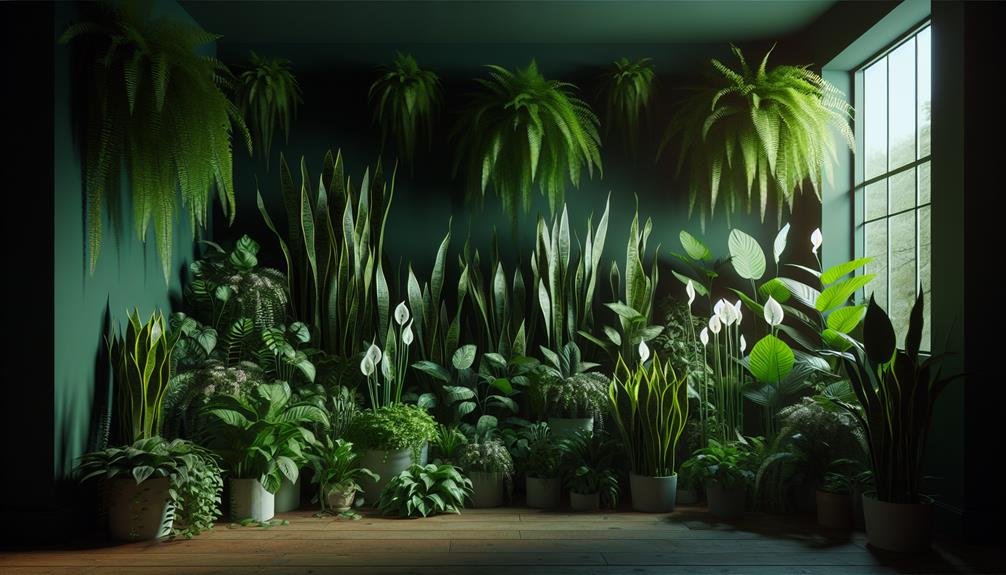
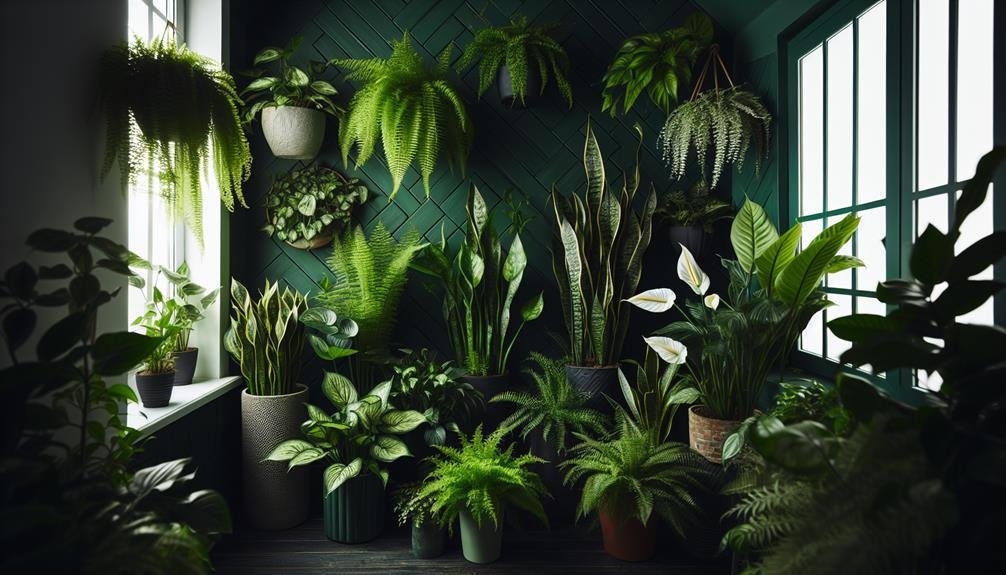
First on the list is the resilient Snake Plant (Sansevieria). This plant thrives in low light conditions and only needs occasional watering, making it perfect for busy individuals.
Another excellent choice is the Spider Plant (Chlorophytum comosum), known for its air-purifying qualities and ability to thrive in various light conditions. The Spider Plant is forgiving when it comes to watering, so you won't have to stress about sticking to a strict watering schedule.
For a pop of color, consider the Peace Lily (Spathiphyllum). This plant blooms beautiful white flowers and only requires weekly watering.

Lastly, the ZZ Plant (Zamioculcas zamiifolia) is a trendy option that can survive with infrequent watering and low light. These top low maintenance indoor plants are perfect for adding a touch of nature to your home with minimal effort.
Easy-to-Care-for Outdoor Houseplants
Consider selecting outdoor houseplants that are easy to care for to enhance your garden effortlessly. Opt for plants like succulents, such as the popular Sempervivum or 'Hen and Chicks,' which thrive in various conditions and require minimal attention. Another great choice is the Lavender plant, known for its fragrant blooms and ability to withstand different climates. For a pop of color, consider the Geranium, a vibrant and low-maintenance option that can bloom all summer long.
Try incorporating the hardy Daylily into your outdoor space, a plant that flourishes in almost any soil type and can tolerate both sun and partial shade. Bamboo is another fantastic outdoor houseplant, adding a touch of elegance with its tall stalks and low upkeep requirements. Lastly, don't overlook the versatile Hosta plant, which offers lush foliage and is practically indestructible, making it an excellent choice for beginner gardeners or those with limited time for maintenance.
Tips for Keeping Houseplants Healthy
To maintain the health of your houseplants, it's important to establish a regular watering schedule and ensure adequate sunlight exposure for optimal growth. Water your plants when the top inch of soil feels dry to the touch. Overwatering can lead to root rot, so make sure the pots have drainage holes to prevent waterlogging. Likewise, insufficient watering can cause wilting and stunted growth. Finding the right balance is key.
In addition to watering, pay attention to the light requirements of your plants. Most houseplants thrive in bright, indirect light. Rotate your plants occasionally to promote even growth on all sides. If you notice leggy stems or yellowing leaves, it might be a sign of inadequate light.
Regularly inspect your plants for pests and disease. Wiping the leaves with a damp cloth can help prevent dust buildup and discourage pests. If you spot any issues, address them promptly to prevent them from spreading to other plants. By following these tips, you can help your houseplants stay healthy and vibrant.
Trending Low Maintenance Plant Varieties
Discover the latest plant varieties that require minimal maintenance to thrive indoors. Succulents like the popular Aloe Vera and Snake Plant are excellent choices. Aloe Vera not only adds a touch of green to your space but also offers the benefit of its healing properties.
Snake Plants, also known as Mother-in-law's Tongue, are resilient and can survive with minimal light and water. Another trending low-maintenance plant is the ZZ plant, which has attractive glossy leaves and can thrive in low light conditions.
For a pop of color, consider the Peace Lily, a beautiful flowering plant that's relatively easy to care for. Spider Plants are great for beginners as they're adaptable and can even help purify the air.
Lastly, the Pothos plant is a versatile option that can thrive in various light conditions and only requires occasional watering. These trending low maintenance plant varieties are perfect for busy individuals who still want to enjoy the benefits of indoor greenery.
Frequently Asked Questions
Can Low Maintenance Houseplants Help Improve Indoor Air Quality?
Yes, low maintenance houseplants can indeed help improve indoor air quality. They've the ability to absorb pollutants and release oxygen, creating a cleaner and fresher environment for you.
These plants require minimal effort to thrive, making them a convenient and effective way to enhance the air quality in your home.
What Are Some Creative Ways to Display Low Maintenance Houseplants in Small Spaces?
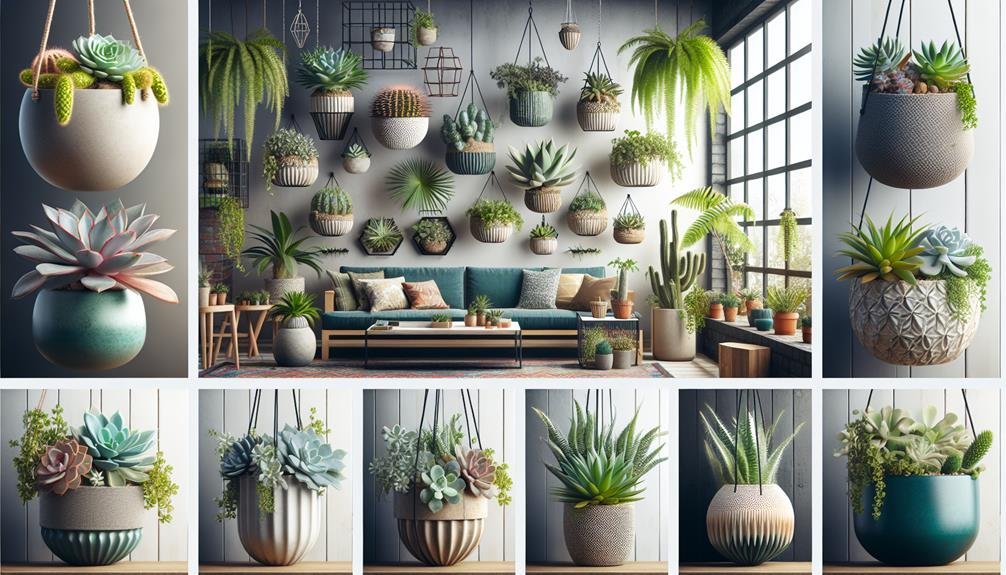
When looking to display low maintenance houseplants in small spaces, get creative with hanging planters, wall-mounted shelves, or tiered plant stands. These options can help maximize your space while adding a touch of greenery to your home.
Consider utilizing windowsills, corners, or even vertical spaces to showcase your plants. By thinking outside the box, you can find unique ways to incorporate these plants into your small living areas effortlessly.
Are There Any Low Maintenance Houseplants That Are Safe for Pets?
When looking for low maintenance houseplants that are safe for pets, it's important to consider options like spider plants, Boston ferns, or African violets. These plants aren't only easy to care for but also non-toxic to your furry friends.
How Often Should Low Maintenance Houseplants Be Repotted?
When caring for low maintenance houseplants, how often should you repot them?
It's essential to check the plant's roots. If they're circling the pot or growing out of the drainage holes, it's time for a new home.
Generally, repot every 1-2 years. Choose a slightly larger pot, refresh the soil, and ensure proper drainage.
Repotting keeps your plants healthy and thriving in their environment.
Do Low Maintenance Houseplants Require Special Fertilizers or Nutrients to Thrive?
To thrive, low maintenance houseplants generally don't require special fertilizers or nutrients. These plants are designed to be resilient and self-sufficient, needing minimal care.
Regular watering and proper sunlight are usually sufficient for their growth. However, it's always a good idea to provide occasional fertilization with a balanced houseplant fertilizer to ensure they've all the nutrients they need to stay healthy and vibrant.
Conclusion
Overall, low maintenance houseplants are a great addition to both indoor and outdoor spaces. They not only add beauty and greenery to your surroundings but also offer numerous health benefits.
With the right care and attention, these plants can thrive and bring joy to your home or garden.
So why not start incorporating some low maintenance houseplants into your space today and enjoy the many benefits they've to offer?