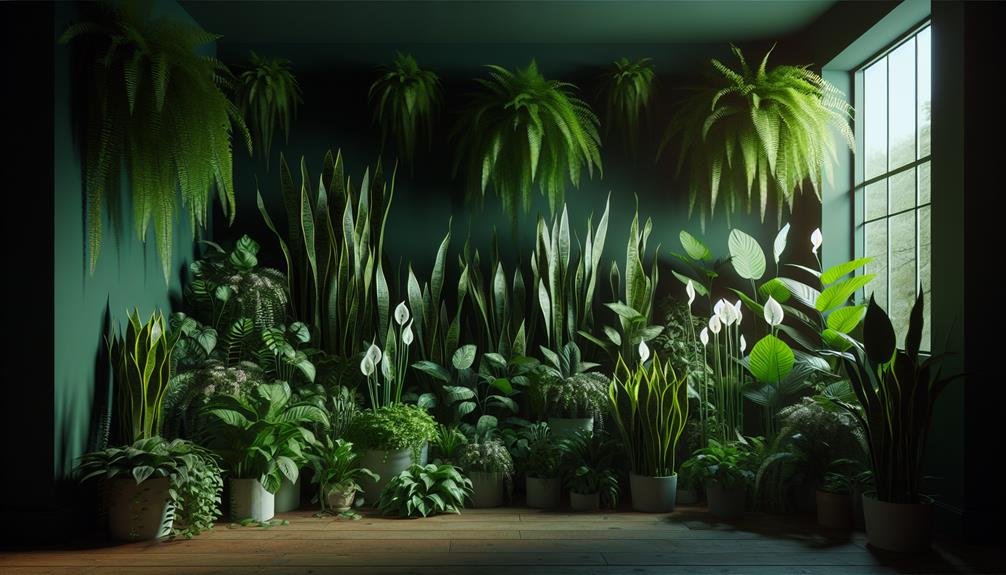
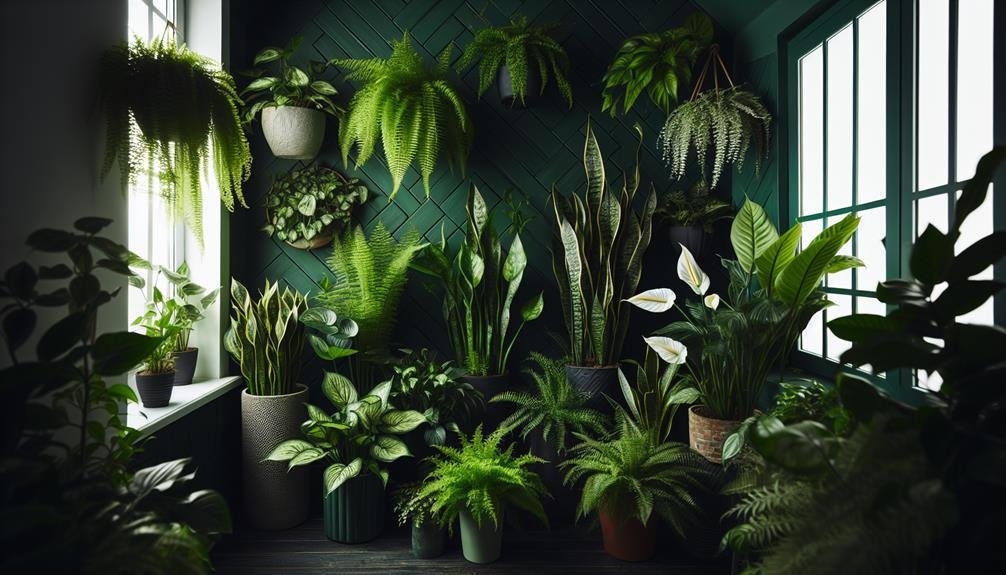
Did you know that according to a recent survey, 70% of new indoor gardeners struggle with plant care, often due to choosing high-maintenance varieties?
Imagine having lush greenery in your home without the constant worry of keeping them alive. Discover a selection of low-maintenance plants tailored for beginners that can thrive even with minimal attention.
Learn how these plants can transform your indoor space effortlessly, offering a sense of tranquility and nature within your reach.
Benefits of Low-Maintenance Plants
When considering indoor plants, opting for low-maintenance varieties can offer numerous benefits to busy individuals. Low-maintenance plants require less time and effort to thrive, making them perfect for those with a hectic schedule. These plants are resilient and can withstand occasional neglect, ideal for beginners or anyone looking to add greenery to their space without the stress of constant care. By choosing low-maintenance options, you can enjoy the beauty and health benefits of plants without feeling overwhelmed by complex care routines.
In addition to saving time, low-maintenance plants can also improve indoor air quality by absorbing toxins and releasing oxygen. This can lead to a healthier living environment, boosting your overall well-being. Furthermore, the presence of plants has been shown to reduce stress and increase productivity, making them a valuable addition to any home or office. With low-maintenance plants, you can effortlessly enhance your surroundings while reaping the physical and mental health benefits they provide.
Top Low-Maintenance Indoor Plants
Looking to add some greenery to your indoor space without the hassle of constant care? Consider incorporating these top low-maintenance indoor plants into your home.
Spider plants are excellent choices for beginners, thriving in various lighting conditions and requiring minimal watering.
The resilient snake plant is another great option, known for its ability to survive with infrequent watering and low light.
Peace lilies aren't only aesthetically pleasing but also easy to care for, as they prefer low light and only need weekly watering.
Pothos plants are versatile and can adapt to different light conditions, making them perfect for indoor environments.

For a touch of color, consider the vibrant African violet, which blooms in various shades and only requires moderate light and moist soil.
These low-maintenance indoor plants are perfect for beginner gardeners looking to bring nature indoors without the stress of high maintenance care routines.
Tips for Caring for Beginner Plants
To care for beginner plants successfully, ensure you understand their specific light and watering needs. Different plants have varying requirements when it comes to sunlight exposure. Some may thrive in bright, indirect light, while others prefer low-light conditions. Identify the light levels in your home and place your plants accordingly.
Watering is another crucial aspect of plant care. Overwatering is a common mistake that can lead to root rot, while underwatering can cause wilting. Check the soil moisture regularly by inserting your finger about an inch deep into the soil; if it feels dry, it's time to water. Make sure to use pots with drainage holes to prevent waterlogging.
Additionally, familiarize yourself with the specific humidity preferences of your plants. Some plants, like ferns, thrive in high humidity environments, while others can tolerate drier air. By understanding and meeting these basic needs, you can ensure the health and growth of your beginner indoor plants.
Common Mistakes to Avoid
Avoiding common mistakes is essential for the successful care of your indoor plants. One of the most frequent errors beginners make is overwatering. Remember, most indoor plants die from too much water rather than too little. To prevent this, ensure your plant's pot has drainage holes and only water when the top inch of soil is dry.
Another mistake to avoid is placing your plants in areas with inconsistent lighting. Plants need a balance of light to thrive, so be mindful of their specific light requirements and rotate them occasionally if needed.
Additionally, neglecting to dust your plant's leaves can hinder their growth. Dust blocks sunlight and reduces the plant's ability to photosynthesize effectively. Simply wiping the leaves gently with a damp cloth can make a significant difference.
Lastly, using the wrong type of soil is a mistake that can stunt your plant's growth. Different plants require different soil compositions, so be sure to research and use the appropriate soil for each plant. By avoiding these common mistakes, you'll set yourself up for a successful indoor gardening experience.
Troubleshooting for Indoor Gardens
Addressing issues that arise in your indoor garden is crucial for maintaining healthy and thriving plants. One common problem indoor gardeners face is overwatering. If your plants' leaves are turning yellow and wilting, it might be a sign of too much water. Ensure your pots have proper drainage and allow the soil to dry out slightly between waterings.
On the other hand, if your plant's leaves are browning and crispy, it could indicate underwatering. Be sure to water your plants when the top inch of soil feels dry to the touch.
Another issue to watch out for is inadequate lighting. If your plants aren't getting enough light, they may become leggy or stop flowering. Consider moving them to a brighter spot or supplementing with artificial grow lights.
Pests can also be a nuisance in indoor gardens. Keep an eye out for common pests like spider mites or aphids and treat them promptly with insecticidal soap or neem oil. By addressing these common problems promptly, you can ensure your indoor garden thrives.
Frequently Asked Questions
Are There Any Low-Maintenance Plants That Are Safe for Pets to Have in the House?
If you're looking for low-maintenance plants that are safe for pets to have in the house, there are several great options out there.
Consider plants like spider plants, African violets, or Boston ferns. These plants aren't only easy to care for but also non-toxic to pets.
Just make sure to place them in areas where your furry friends can't easily access them to prevent any accidental snacking.
How Often Should I Repot My Low-Maintenance Indoor Plants?
You should repot your low-maintenance indoor plants every 1-2 years. Repotting helps refresh the soil, provides more space for root growth, and prevents your plants from becoming root-bound.
Signs that your plant needs repotting include roots growing out of the drainage holes, slow growth, or water running straight through the pot.
Can Low-Maintenance Plants Thrive in Low-Light Conditions?
In low-light conditions, low-maintenance plants can still thrive, but their growth may be slower compared to brighter spots. Consider plants like pothos, snake plants, or peace lilies, which are known for their ability to adapt to low-light environments.
While they may not flourish as quickly, they can still bring some greenery to dimly lit spaces. Just be mindful of watering needs and adjust accordingly to prevent overwatering in these conditions.
What Are Some Signs That Indicate My Low-Maintenance Plant Needs to Be Watered?
If your low-maintenance plant is thirsty, it might start to droop or wilt. Check the soil moisture by sticking your finger in about an inch deep. If it feels dry, it's time to water.
Yellowing leaves or crispy edges could also be signs of dehydration. Remember, different plants have different watering needs, so pay attention to the specific requirements of your green friends to keep them happy and healthy.
Are There Any Low-Maintenance Plants That Can Help Improve Indoor Air Quality?
If you're looking to improve indoor air quality, consider adding low-maintenance plants to your space. Plants such as snake plants, spider plants, and peace lilies are known for their air-purifying properties.
These plants can help remove toxins from the air and create a healthier environment for you. With minimal care requirements, they're perfect for beginners looking to enhance their indoor air quality while enjoying the benefits of having greenery indoors.
Conclusion
Overall, low-maintenance plants are the perfect choice for beginner indoor gardeners. With their easy care requirements and ability to thrive in various conditions, these plants make it simple for anyone to enjoy the benefits of indoor gardening.
By following a few tips and avoiding common mistakes, you can create a beautiful and healthy indoor garden with minimal effort.
So go ahead and start your indoor gardening journey with confidence and enjoy the beauty of nature in your own home!