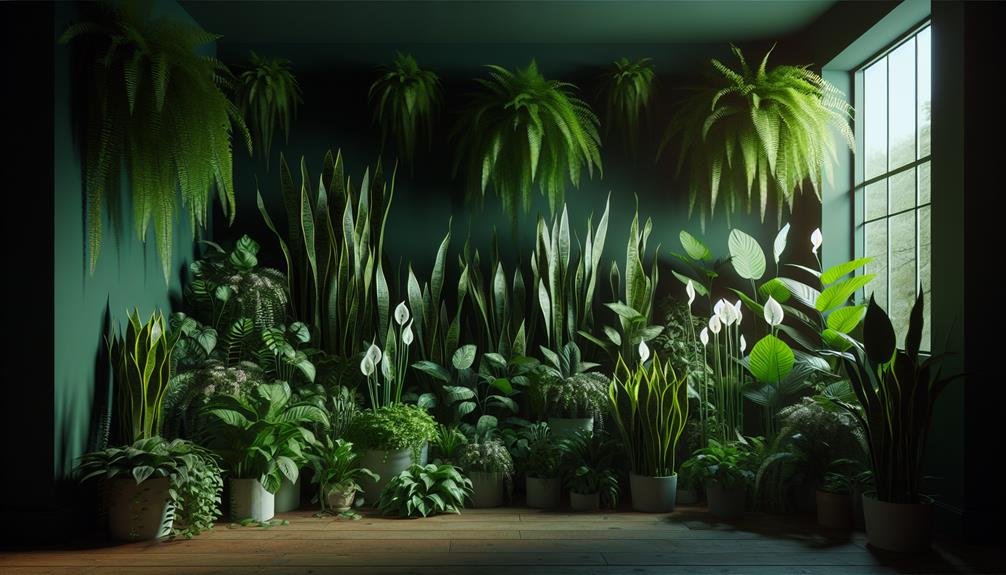
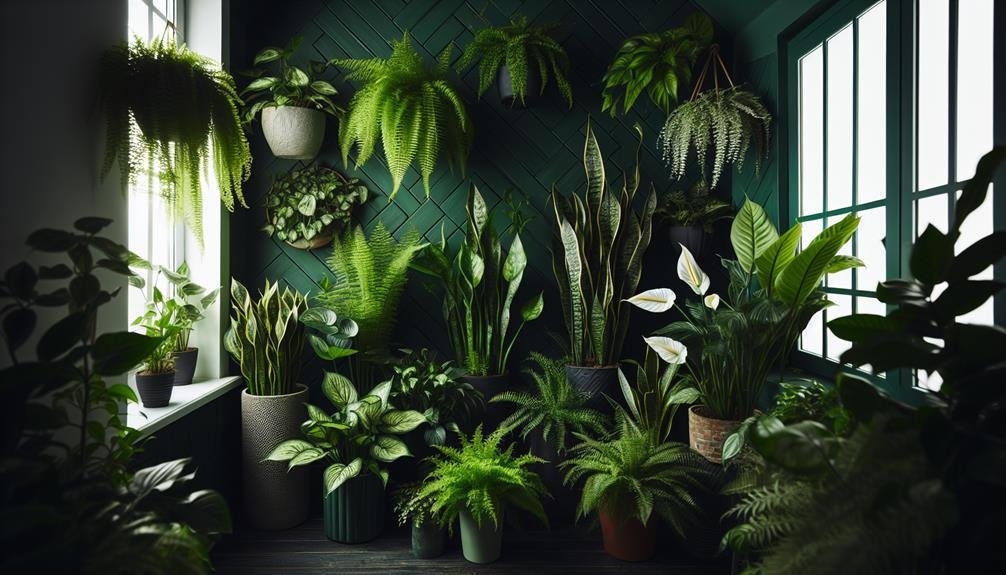
Imagine your indoor garden as a serene pond, where the plants gracefully float with minimal disturbance.
Much like water lilies that effortlessly thrive, there are low-maintenance plants perfect for your beginner gardener's oasis. These green companions require little attention yet offer a touch of nature's beauty to your space.
But how do you choose the right one to start your tranquil indoor garden?
Succulents
If you're new to indoor gardening, succulents are the perfect low-maintenance plants to start with. These hardy plants come in a variety of shapes, sizes, and colors, making them a versatile and beautiful addition to any indoor space. Succulents are well-suited for beginners because they require minimal watering, thriving in dry conditions typical of indoor environments. Simply ensure they've adequate sunlight, and you're all set.
One of the key advantages of succulents is their ability to store water in their leaves, stems, or roots, allowing them to survive for extended periods without watering. This feature makes them forgiving for those who may forget to water their plants regularly. Additionally, succulents are relatively pest-resistant, further reducing the maintenance required.
Whether you opt for a classic aloe vera plant, a charming echeveria, or a trendy string of pearls, succulents are sure to bring a touch of nature into your home with minimal effort. So go ahead, pick out a few succulents that catch your eye and start your indoor gardening journey with these low-maintenance beauties.
Snake Plants
Have you ever considered adding Snake Plants to your indoor garden for a touch of elegance and minimal upkeep?
Snake Plants, also known as Sansevieria, are excellent choices for beginner indoor gardeners due to their hardy nature and ability to thrive with little attention. These striking plants come in various shapes and sizes, making them versatile for different spaces in your home.
One of the most appealing features of Snake Plants is their air-purifying qualities. They're known to effectively filter indoor air by removing toxins and releasing oxygen, creating a healthier environment for you and your loved ones. Additionally, Snake Plants require minimal watering, making them ideal for those who may forget to water their plants regularly.
Snake Plants are also resilient to different light conditions, tolerating both bright light and low light environments. This adaptability makes them perfect for various rooms in your home, from well-lit living rooms to dimly lit bedrooms. With their striking appearance and low maintenance needs, Snake Plants are a fantastic addition to any indoor garden.

Pothos
Considering adding Pothos to your indoor garden? Pothos, also known as Devil's Ivy, is a fantastic choice for beginner indoor gardeners due to its low maintenance nature and air-purifying qualities. This vine plant features heart-shaped leaves that come in various shades of green, making it a visually appealing addition to any space.
Pothos thrives in a variety of light conditions, from low light to indirect sunlight, making it adaptable to different environments within your home. Watering is simple with Pothos – just ensure the soil is dry before watering again to prevent overwatering. This plant is forgiving if you forget to water occasionally, making it an excellent choice for those new to indoor gardening.
Propagation is a fun aspect of owning Pothos – you can easily grow new plants from cuttings in water. This plant is also known for its air-purifying abilities, helping to improve the air quality in your home. With minimal effort, you can enjoy the beauty and benefits of Pothos in your indoor garden.
ZZ Plants
ZZ Plants, also known as Zamioculcas Zamiifolia, are popular indoor plants loved for their resilience and low-maintenance requirements. If you're a beginner indoor gardener looking for a plant that can thrive with minimal effort, ZZ Plants are an excellent choice. These plants have glossy, dark green leaves that can brighten up any space, and they're known for their ability to tolerate low light conditions.
One of the key reasons ZZ Plants are favored by many is their drought tolerance. You won't have to worry about watering them frequently, as they store water in their rhizomes to survive dry periods. In fact, overwatering is one of the few ways you can harm a ZZ Plant, so it's best to let the soil dry out between waterings. Additionally, ZZ Plants are relatively pest-resistant, making them even easier to care for compared to other indoor plants. With minimal attention, your ZZ Plant can thrive and bring a touch of greenery into your home.
Spider Plants
Spider Plants, known scientifically as Chlorophytum comosum, are popular choices for indoor gardening beginners due to their easy care requirements and air purifying qualities. These resilient plants have long, arching leaves with white stripes, adding a touch of elegance to any indoor space. Spider plants thrive in bright, indirect light but can also tolerate lower light conditions, making them versatile for various environments in your home.
One of the most appealing features of spider plants is their ability to propagate easily. They produce offshoots called spiderettes that can be propagated in water or soil, allowing you to expand your plant collection without much effort. When it comes to watering, spider plants prefer consistently moist soil but can tolerate occasional drying out between watering sessions.
In addition to their low maintenance needs, spider plants are also excellent air purifiers, helping to remove toxins from the air within your home. With their striking appearance and health benefits, spider plants are a perfect choice for those new to indoor gardening.
Frequently Asked Questions
Are There Any Specific Watering Techniques or Schedules That Should Be Followed for These Low-Maintenance Plants?
When caring for low-maintenance plants, it's important to find the right balance in watering. Overwatering can harm these plants, so make sure to check the soil moisture before watering again.
Stick your finger into the soil; if it feels dry to the touch, then it's time to water. Remember, each plant has its own watering needs, so observe how your plant responds to find the perfect watering schedule.
Do These Plants Need Any Special Type of Soil or Fertilization to Thrive Indoors?
For your indoor plants to thrive, they generally require well-draining soil to prevent root rot. Using a light potting mix with perlite or sand can help with this.
As for fertilization, a balanced liquid fertilizer diluted to half-strength can be applied every 2-4 weeks during the growing season. Be sure not to over-fertilize, as this can harm your low-maintenance plants.
With proper soil and fertilization, your indoor garden will flourish.
Are There Any Common Pests or Diseases That These Plants Are Prone To, and How Can They Be Prevented or Treated?
Pests and diseases can affect your plants, but there are ways to prevent and treat them. Keep an eye out for common issues like spider mites or powdery mildew. Regularly inspect your plants for any signs of trouble.
To prevent infestations, maintain good airflow and avoid overwatering. If you do spot a problem, try using natural remedies like neem oil or insecticidal soap. Act promptly to keep your indoor garden healthy and thriving.
Can These Plants Be Propagated or Multiplied Easily, and if So, What Is the Best Method to Do So?
To propagate these plants easily, you can use methods like stem cuttings or division.
Stem cuttings involve snipping a healthy stem and placing it in water or soil to develop roots.
Division requires separating a mature plant into smaller sections and replanting them.
Both methods are simple and effective ways to multiply your plants and expand your indoor garden. Just follow the steps carefully for successful propagation.
Are There Any Specific Temperature or Lighting Requirements That Need to Be Considered When Growing These Plants Indoors?
When growing plants indoors, it's essential to consider specific temperature and lighting requirements. Different plants have varying needs, so ensure you research each plant's ideal conditions.
Some may thrive in bright, indirect light, while others prefer low light. Similarly, temperatures can impact plant growth, with some plants thriving in warmer environments and others doing better in cooler settings.
Conclusion
Overall, when starting an indoor garden as a beginner, it's important to choose low-maintenance plants that are easy to care for. Succulents, snake plants, pothos, ZZ plants, and spider plants are all great options that require minimal attention and upkeep.
These plants are hardy, resilient, and perfect for those who may not have a green thumb. With the right choices, even the most novice indoor gardener can enjoy the beauty and benefits of having plants in their home.