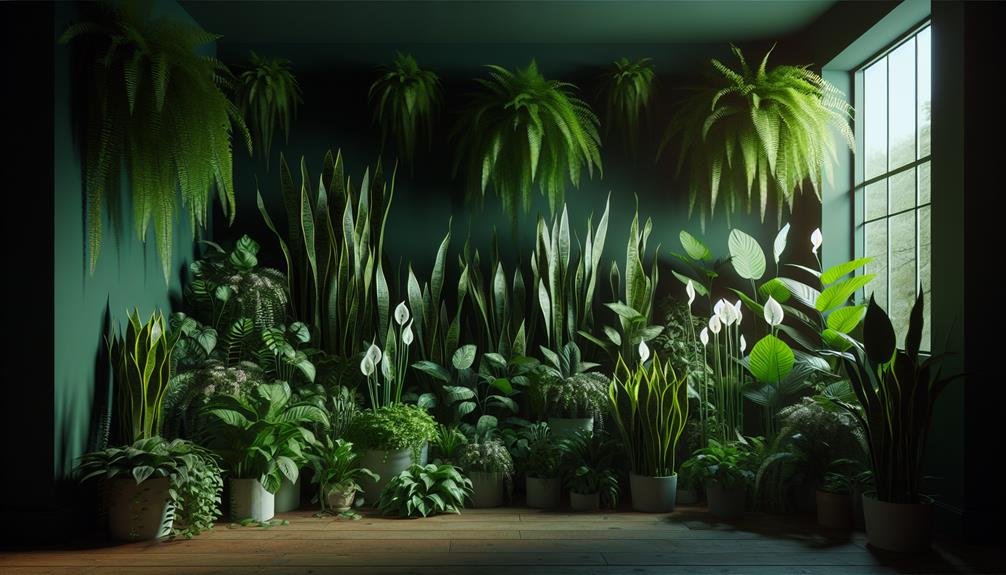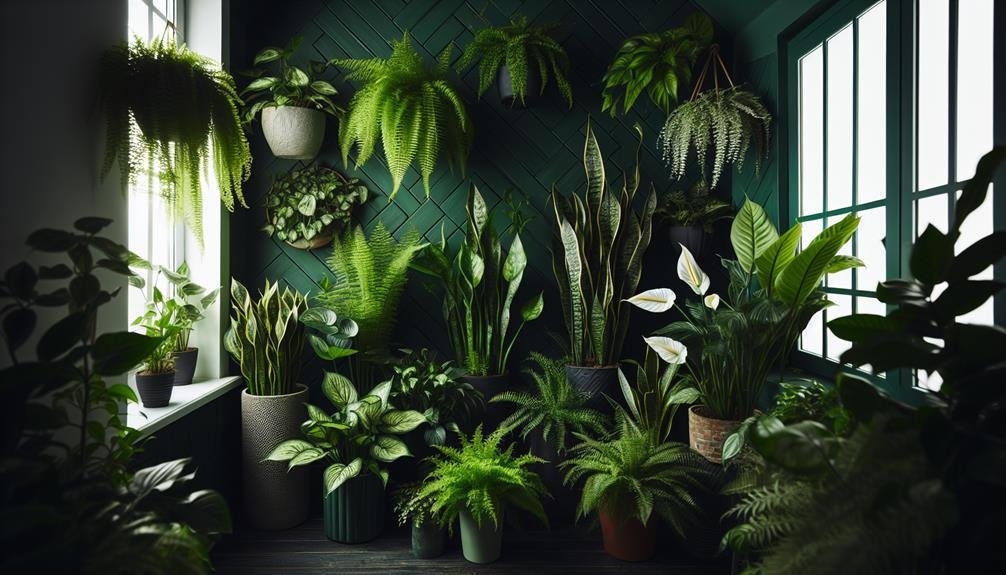
Did you know that up to 70% of indoor spaces have at least one dark corner that could benefit from some lush greenery? Imagine transforming those neglected areas into vibrant pockets of nature that not only thrive but also add a touch of tranquility to your home.
With the right plants and care tips, you can breathe life into even the dimmest corners. Stay tuned to discover which plants are best suited for low-light conditions and how you can create a verdant oasis in the shadows.
Best Plants for Low-Light Spaces
When choosing plants for low-light spaces, opt for varieties that thrive in minimal sunlight. Peace lilies are an excellent choice for such areas as they can bloom even in dim conditions. Their glossy green leaves and white flowers can brighten up any dark corner.
Another great option is the snake plant, known for its resilience and ability to survive with little light. Its striking upright leaves add a touch of elegance to any room.
If you prefer a hanging plant, consider the pothos vine. This plant is low-maintenance and can tolerate low light levels, making it perfect for spaces with limited natural light.
For a pop of color, African violets are a lovely choice. These plants produce vibrant flowers and do well in shaded environments. By selecting these plants, you can bring life and greenery into even the darkest corners of your home.
Tips for Watering in Dim Areas
In dim areas, ensure that your watering routine matches the specific needs of the plants thriving in low-light conditions. While plants in low-light environments may require less water compared to those in brighter spots, it's crucial not to overlook their hydration needs. Overwatering can lead to root rot, especially in dimly lit corners where soil might take longer to dry out.
To strike the right balance, check the moisture levels of the soil regularly using your finger or a moisture meter. Water your plants only when the top layer of soil feels dry to the touch, ensuring that excess water can drain away easily.
Consider using pots with drainage holes to prevent waterlogging, as stagnant water can be particularly harmful in low-light settings. When watering, do so thoroughly but make sure not to let the roots sit in standing water. Remember, it's better to underwater slightly than overwater in dim areas.
Ideal Placement for Shadowy Corners
To ensure the health and vitality of your low-light plants, strategically place them in areas where they can receive indirect sunlight even in shadowy corners. While these plants thrive in low-light conditions, they still require some level of light to photosynthesize and grow. Look for spots near windows where sunlight filters through sheer curtains or bounces off light-colored walls. Placing your plants on shelves or tables near these light sources can help provide the necessary light for their growth.

Consider using reflective surfaces like mirrors or light-colored walls to bounce light into darker corners. This technique can amplify the amount of indirect sunlight that reaches your plants, ensuring they've enough energy to thrive. Additionally, rotating your plants occasionally can help expose different parts of them to light, promoting even growth.
Remember that each plant has unique light requirements, so it's essential to research the specific needs of your greenery to find the ideal placement within your shadowy corners. By strategically situating your low-light plants where they can still access indirect sunlight, you can create a lush and thriving green oasis even in the darkest corners of your home.
Common Issues and Solutions
Address common issues that may arise with your low-light plants and provide effective solutions to ensure their health and growth.
One common problem is overwatering. In low-light conditions, plants tend to absorb water at a slower rate, leading to waterlogged soil and root rot. To combat this, allow the soil to dry out slightly between waterings and ensure proper drainage in your plant pots.
Another issue is insufficient light. If your plants aren't getting enough light, they may become leggy and have pale leaves. To solve this, consider moving them to a brighter spot occasionally or supplementing with artificial grow lights.
Pests such as spider mites and fungus gnats can also infest low-light plants. Use natural remedies like neem oil or insecticidal soap to combat these pests without harming your plants.
Decorative Plant Pots for Dark Rooms
Combat common issues like overwatering and insufficient light in your low-light plants by selecting decorative plant pots that not only complement your dark room but also promote their health and growth. When choosing plant pots for dark rooms, opt for ones with drainage holes to prevent waterlogging, which can be detrimental to plant roots in low-light conditions. Additionally, consider pots made from breathable materials like terracotta or unglazed ceramic to prevent excess moisture buildup. These materials help regulate soil moisture levels, reducing the risk of root rot.
To enhance the aesthetics of your dark room, select plant pots in lighter colors or metallic finishes that can reflect any available light, brightening up the space. Hanging planters or wall-mounted pots are also great options for dark rooms, as they can be strategically placed to catch any incoming light. Remember to choose pots that are appropriately sized for your plants, providing ample space for root growth while fitting well within your room's layout. By carefully selecting decorative plant pots tailored to dark room conditions, you can create a vibrant and healthy indoor garden.
Frequently Asked Questions
Can Plants in Low-Light Spaces Still Thrive Without Natural Sunlight?
In low-light spaces, plants can thrive without natural sunlight. Choose shade-tolerant plants like snake plants, pothos, or peace lilies. Ensure they get indirect light and rotate them for even growth.
Consider using grow lights to supplement their light needs. With proper care and attention to watering and soil conditions, your plants can still flourish in areas with limited natural light.
How Often Should Plants in Dim Areas Be Watered to Prevent Overwatering or Underwatering?
In dim areas, it's crucial to water your plants just right to keep them happy. Overwatering can drown their roots, while underwatering leaves them thirsty.
To strike the perfect balance, check the soil moisture regularly by sticking your finger in about an inch deep. If it feels dry, give them a good drink, but if it's still moist, hold off a bit.
Finding that sweet spot will help your plants thrive!
Are There Specific Types of Plants That Are Best Suited for Shadowy Corners With Minimal Natural Light?
In shadowy corners with minimal natural light, certain plants thrive better than others. Look for low-light tolerant varieties like pothos, snake plants, and peace lilies. These plants can survive in dim areas where other plants might struggle.
Ensure you provide them with occasional light and proper care to keep them healthy and vibrant. Choose plants that can adapt to low light conditions to bring some greenery to those darker spots in your home.
What Are Some Common Issues That May Arise When Caring for Plants in Dark Corners, and How Can They Be Addressed?
When caring for plants in dark corners, common issues like overwatering due to lack of sunlight can arise. Combat this by letting the soil dry out between waterings.
Plants may also become leggy as they stretch towards light; rotate them regularly to promote even growth.
Lastly, dust can accumulate on leaves, hindering photosynthesis. Wipe them gently with a damp cloth to keep them healthy and thriving in low-light conditions.
How Can Decorative Plant Pots Enhance the Overall Aesthetic of a Dark Room With Lush Greenery?
When looking to enhance the aesthetic of a dark room with lush greenery, decorative plant pots play a crucial role. Opt for pots that complement your room's style and color scheme, adding a touch of flair.
Consider textured or metallic finishes to create visual interest. Grouping plants in varying heights and pot sizes can also add depth and dimension to the space.
Choose pots that speak to your personal taste and bring life to your room.
Conclusion
Overall, bringing lush greenery into dark corners can brighten up any room and add a touch of nature to your space.
With the right plants, watering techniques, and placement, you can successfully create a cozy and inviting atmosphere even in the shadowy areas of your home.
Don't forget to choose decorative plant pots that complement your decor for a stylish finishing touch.
Enjoy your new green oasis in those dimly lit spaces!