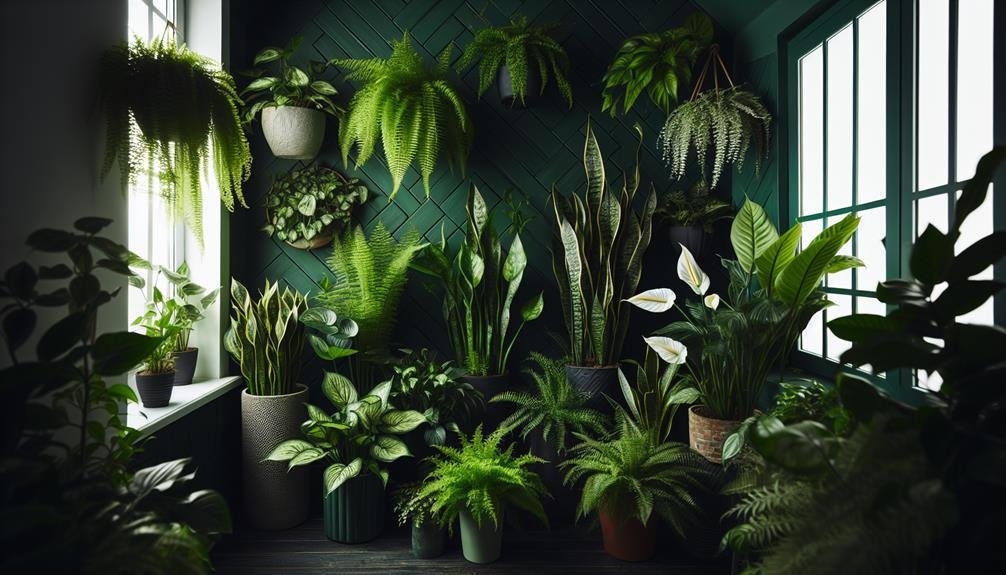
When it comes to maintaining the delicate balance of your indoor jungle, you may encounter some unexpected guests that can disrupt its harmony. These guests, although small and seemingly harmless, can quickly wreak havoc if left unchecked.
By understanding their behavior and implementing strategic measures, you can effectively safeguard your lush green haven.
Stay tuned to discover the secrets to outsmarting these sneaky caterpillars and reclaiming your indoor oasis.
Identifying Caterpillar Infestations
How can you quickly spot signs of caterpillar infestations in your indoor plants?
One of the most obvious indicators is noticing chewed or damaged leaves. Caterpillars are voracious eaters and can leave a trail of destruction in their path. Keep an eye out for holes in leaves, missing foliage, or irregular patterns of damage. Additionally, look for caterpillar droppings, which resemble small black or green pellets, near the affected plants. These droppings, also known as frass, can be a telltale sign of a caterpillar infestation.
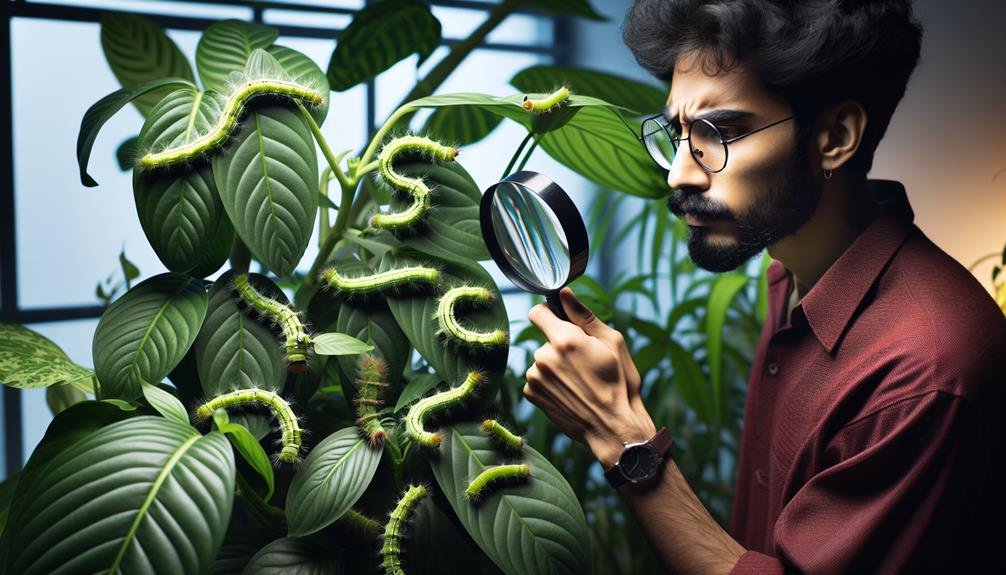
Another way to identify caterpillar infestations is by inspecting the undersides of leaves. Many caterpillar species prefer to feed on the underside of leaves, making it important to thoroughly check this area for any signs of pests. You may also spot the caterpillars themselves, especially during the evening or night when they're most active. Look for small, worm-like creatures with various colors and patterns that blend in with the foliage.
Natural Predators to the Rescue
Natural predators play a crucial role in controlling caterpillar infestations in indoor plants. Introducing these natural enemies into your indoor jungle can help keep caterpillar populations in check without resorting to harmful chemicals. Ladybugs, lacewings, and parasitic wasps are effective predators that feed on caterpillars at different stages of their life cycle. Ladybugs, also known as lady beetles, are voracious consumers of soft-bodied insects like caterpillars. Lacewings, with their delicate appearance, are actually fierce hunters of caterpillars and other pests. Parasitic wasps lay their eggs inside caterpillars, eventually killing them.
Encouraging these beneficial insects to thrive in your indoor garden can create a balanced ecosystem where caterpillar numbers are naturally controlled. To attract natural predators, consider planting nectar-rich flowers like dill, fennel, or daisies, which provide food sources for adult predators. Avoid using broad-spectrum insecticides that can harm both pests and beneficial insects. By harnessing the power of natural predators, you can effectively manage caterpillar infestations in your indoor plants while maintaining a healthy and thriving environment.
Safe and Effective DIY Solutions
To effectively tackle caterpillar infestations in your indoor plants, explore safe and practical DIY solutions that can complement the efforts of natural predators. One effective method is to manually remove the caterpillars from your plants. Check the leaves and stems regularly, and gently pick off any caterpillars you find.
Another DIY solution is to create a homemade insecticidal soap by mixing mild liquid soap with water in a spray bottle. This solution can help control caterpillar populations without harming your plants.

Neem oil is another natural remedy that can be used to deter caterpillars. Dilute neem oil in water and spray it on the affected plants.
Additionally, introducing physical barriers like netting or row covers can prevent adult moths from laying eggs on your plants, reducing the chances of caterpillar infestations.
Preventing Future Caterpillar Attacks
You can proactively prevent future caterpillar attacks by implementing strategic plant care practices and monitoring techniques. Start by regularly inspecting your indoor plants for any signs of caterpillars or eggs. Remove any caterpillars you find by hand and dispose of them properly. To deter caterpillars from returning, consider introducing natural predators like ladybugs or lacewings to your indoor garden.
Another effective method is to maintain proper ventilation and airflow around your plants. Caterpillars are less likely to infest plants in areas with good air circulation. Additionally, avoid over-fertilizing your plants, as this can attract pests like caterpillars. Instead, focus on providing the right amount of water and sunlight for each plant to promote their overall health and resilience against pests.
Furthermore, regularly clean and sanitize your plant containers and surrounding areas to eliminate any potential hiding spots for caterpillars. By staying vigilant and following these preventive measures, you can enjoy a caterpillar-free indoor jungle.
Seeking Professional Help
Consider consulting with experienced pest control professionals for effective caterpillar management strategies. When faced with a persistent caterpillar infestation in your indoor jungle, seeking help from professionals can offer you specialized knowledge and resources to tackle the issue efficiently. Pest control experts have the expertise to identify the specific caterpillar species causing trouble in your plants and develop a targeted action plan to eliminate them while minimizing harm to your beloved greenery.
Professional pest control services can provide you with access to safe and approved pesticides or natural remedies that are effective in managing caterpillar populations without causing harm to your indoor plants or posing risks to your health. Additionally, these experts can offer valuable insights on preventive measures to avoid future caterpillar invasions, helping you maintain a healthy and thriving indoor jungle in the long run.
Frequently Asked Questions
Can Caterpillars Cause Any Harm to Humans or Pets in the Household?
Caterpillars generally don't pose a direct threat to humans or pets in the household. However, some caterpillars can have irritating hairs or toxins that may cause skin irritation or allergic reactions if touched.
It's a good idea to avoid handling caterpillars with bare hands and to keep curious pets away from them. In case of any concerns about potential contact with harmful caterpillars, consult with a medical professional or veterinarian.
How Can I Determine if a Caterpillar Infestation Is a Serious Problem That Requires Professional Help?
To determine if a caterpillar infestation needs professional help, look for signs like:
- Extensive damage to plants
- An overwhelming number of caterpillars
- Severe reactions in humans or pets
Also, keep an eye out for indicators such as droppings, webbing, or chewed leaves. If you suspect a serious problem, consult with a pest control expert for further evaluation and assistance. Remember, early detection can prevent larger issues down the line.
Are There Any Signs to Look Out for That Indicate a Caterpillar Infestation in My Indoor Plants?
If caterpillars invade your indoor plants, signs to watch for include chewed leaves, droppings, and silk threads. Keep an eye out for the critters themselves, which may blend in well.
Regularly inspect your plants to catch any infestations early. If you do spot caterpillars, take action promptly to prevent damage and further spread.
Inspect your plants thoroughly to keep them healthy and pest-free.
Can Caterpillars Cause Damage to Indoor Plants Beyond Just Eating the Leaves?
Caterpillars can cause damage to indoor plants beyond just eating the leaves. They can also chew on stems, flowers, and fruits, impacting the overall health and appearance of your plants.
Keeping a close eye on your plants for any signs of caterpillar presence and promptly addressing any infestations can help prevent extensive damage. Consider using natural remedies or insecticidal soaps to control caterpillars and protect your indoor jungle.
Are There Any Specific Types of Indoor Plants That Are More Susceptible to Caterpillar Attacks?
When it comes to indoor plants, some species are more prone to caterpillar attacks than others. Certain plants like herbs, ferns, and flowering plants are often targeted by these sneaky pests.
Keeping a close eye on these vulnerable plants and taking preventive measures can help protect them from caterpillar damage. Regularly inspecting your indoor jungle and promptly addressing any signs of caterpillar infestation can help maintain the health of your plants.
Conclusion
Overall, dealing with sneaky caterpillars in your indoor jungle can be a challenge, but with the right knowledge and strategies, you can outsmart them.
By identifying infestations early, utilizing natural predators, implementing safe DIY solutions, and taking preventative measures, you can keep your plants healthy and caterpillar-free.
Remember, it's important to stay vigilant and proactive in order to protect your indoor greenery from these pesky invaders.