
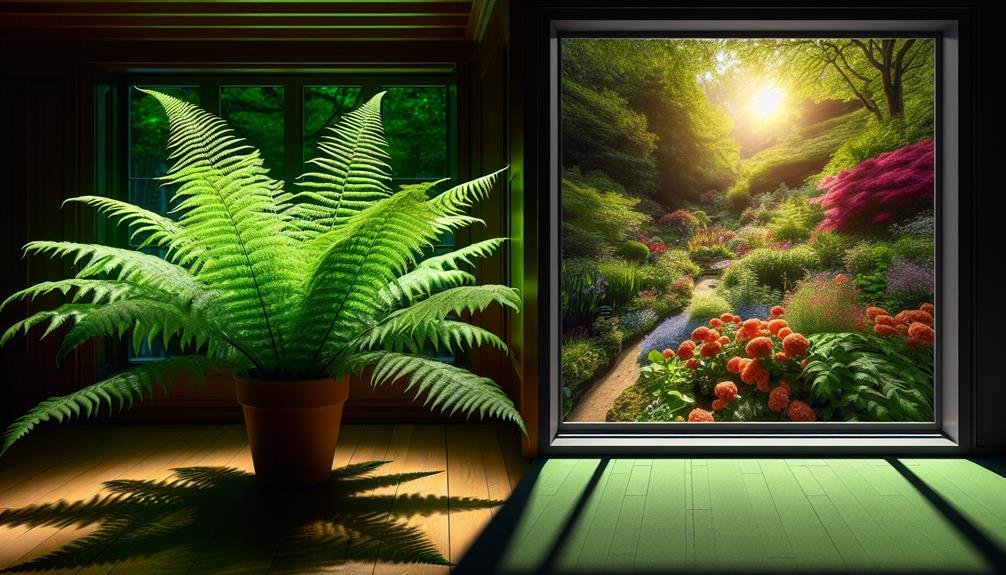
Did you know that approximately 10% of all plant species are known to thrive in low-light conditions? Understanding the differences between plants that flourish indoors in dimly lit spaces compared to those that prefer shaded outdoor environments can significantly impact the success of your greenery.
By exploring the unique qualities and care requirements of these dark-loving plants, you can create a harmonious blend of indoor and outdoor foliage that will transform your living spaces into vibrant oases.
Benefits of Low-Light Plants
Low-light plants offer an excellent solution for brightening up dim spaces without the need for direct sunlight. These plants are adaptable and can thrive in areas that receive minimal natural light, making them perfect for rooms with small windows or shaded corners. One of the key benefits of low-light plants is their ability to improve air quality by filtering out toxins and releasing oxygen during photosynthesis. By incorporating these plants into your indoor spaces, you not only add a touch of greenery but also contribute to creating a healthier environment.
Another advantage of low-light plants is their low maintenance requirements. These plants are generally more forgiving when it comes to irregular watering schedules and are less likely to suffer from sunburn or heat stress. This makes them ideal for busy individuals or those new to plant care. With a wide variety of low-light plant options available, you can easily find species that suit your aesthetic preferences and space constraints. Whether you opt for lush foliage or delicate blooms, low-light plants can enhance the ambiance of any room while thriving in conditions where other plants may struggle.
Indoor Plants for Dark Spaces
In dimly lit environments, certain plants thrive despite limited access to direct sunlight. If you’re looking to brighten up a dark corner of your home or office, consider low-light indoor plants like the Peace Lily, Spider Plant, or ZZ Plant.
These plants are well-suited for areas with minimal natural light and can tolerate artificial lighting well. The Peace Lily, with its elegant white blooms, not only adds a touch of beauty but also helps purify the air.
Spider Plants are known for their air-purifying qualities and are easy to care for, making them perfect for beginners. The ZZ Plant is a hardy option that can survive with very little water and light, making it ideal for those forgetful about plant care.
Outdoor Shade-Loving Plant Options
Consider adding shade-loving plants to your outdoor garden to thrive in areas with limited direct sunlight. When selecting plants for shaded outdoor areas, opt for varieties that can flourish without extensive exposure to the sun’s rays.
Some excellent options for shade-loving plants include hostas, ferns, and heucheras. Hostas, known for their lush foliage, come in a variety of colors and sizes, adding texture and beauty to shaded garden beds. Ferns are another great choice, with their delicate fronds bringing a touch of elegance to any shaded area. Heucheras, also known as coral bells, offer colorful foliage that can brighten up dark corners of your outdoor space.
These plants aren’t only visually appealing but also relatively low-maintenance, making them perfect for busy gardeners looking to enhance shaded areas of their outdoor landscapes. By incorporating these shade-loving plants into your outdoor garden, you can create a vibrant and thriving oasis even in the darkest corners of your yard.

Care Tips for Dark-Loving Plants
To ensure your shade-loving plants thrive in dark conditions, proper care and maintenance are key. Firstly, it’s essential to place your plants in areas with indirect sunlight or artificial light sources, as direct sunlight can harm them.
Regularly check the soil moisture levels by sticking your finger into the soil; water only when the top inch feels dry. Overwatering can lead to root rot, so ensure proper drainage in the pots.
Fertilize your dark-loving plants sparingly, as they typically require less nutrients than sun-loving ones. Use a balanced, water-soluble fertilizer diluted to half-strength every 4-6 weeks during the growing season.
Prune your plants to remove any dead or yellowing leaves and encourage new growth. Dust the leaves regularly to ensure they can effectively photosynthesize.
Creating a Balanced Indoor-Outdoor Garden
For a harmonious blend of greenery in your living space, aim to integrate your indoor and outdoor plants seamlessly. To create a balanced indoor-outdoor garden, start by selecting plants that can thrive in both environments. Consider using versatile plants like snake plants, spider plants, and pothos, which can transition between indoor and outdoor settings with ease. When arranging your garden, strategically place plants that require more shade indoors and ones that need more sunlight outdoors. This way, each plant can receive the appropriate light levels for optimal growth.
Incorporate elements like plant stands, hanging baskets, and trellises to maximize space and create a visually appealing garden. Utilize natural light sources indoors, such as windows and skylights, to ensure your indoor plants receive adequate sunlight. Additionally, regularly rotate your indoor plants with outdoor ones to prevent overexposure to either environment.
Frequently Asked Questions
Can Low-Light Plants Survive Without Any Natural Sunlight at All?
Yes, low-light plants can survive without any natural sunlight at all by relying on artificial light sources such as grow lights. These lights mimic the spectrum of natural sunlight needed for photosynthesis. By placing these plants near the light source and ensuring they receive the right amount of light each day, they can thrive even in dark indoor environments.
Remember to provide proper care and monitor their growth to keep them healthy.
Are There Any Low-Light Plants That Are Suitable for Both Indoor and Outdoor Environments?
Yes, there are low-light plants that can thrive in both indoor and outdoor settings. These adaptable plants can handle varying light conditions, making them perfect for your home or garden.
They offer flexibility and are easy to care for, making them a great choice for beginners or busy individuals. Consider incorporating these versatile plants into your living spaces for a touch of greenery that can flourish in different environments.
How Often Should I Water Low-Light Plants Compared to Plants That Require More Sunlight?
When caring for low-light plants, you should water them less frequently than plants that need more sunlight. Low-light plants have slower growth rates and thus require less water.
It’s crucial not to overwater them, as this can lead to root rot. Check the soil moisture regularly by feeling it with your fingers. Water only when the top inch or so of soil feels dry.
This will help keep your low-light plants healthy and thriving.
What Are Some Common Pests and Diseases That Affect Dark-Loving Plants and How Can They Be Prevented?
To keep those dark-loving plants healthy, watch out for common pests like spider mites and mealybugs. These critters can wreak havoc on your green friends.
Keep an eye out for signs of infestation, like webbing or white fluffy spots. To prevent these pests, regularly inspect your plants, wipe down leaves with a damp cloth, and consider using natural remedies like neem oil.
Stay vigilant to keep your plants pest-free!
Are There Any Specific Soil or Fertilizer Requirements for Low-Light Plants to Thrive in Both Indoor and Outdoor Settings?
To keep your low-light plants happy indoors and outdoors, focus on the soil and fertilizer. Use well-draining soil for both settings to prevent root rot.
For indoor plants, consider a balanced liquid fertilizer every 4-6 weeks during the growing season. Outdoor plants may benefit from slow-release fertilizers in the soil.
Adjusting fertilizer frequency based on plant needs will help them thrive, whether inside or outside.
Conclusion
In conclusion, whether you have a dark indoor space or shady outdoor area, there are plenty of plants that can thrive in low-light conditions.
By choosing the right plants and providing them with proper care, you can create a beautiful garden both indoors and outdoors.
Don’t let a lack of sunlight hold you back from enjoying the benefits of greenery in your home or garden.
Happy planting!



