Whether you're seeking a touch of nature indoors or a splash of color in your outdoor sanctuary, popular plant varieties can elevate your spaces effortlessly. From the sleek and minimalistic succulents that thrive in tight corners to the aromatic herbs that flourish in kitchen gardens, each plant brings its unique charm.
But what about the lesser-known gems that can transform your living areas with grace and ease? Let's explore some unexpected finds that might just become your next green obsession.
Succulents: Ideal for Small Spaces
Succulents thrive in small spaces due to their low maintenance and unique aesthetic appeal. These plants are perfect for those looking to add a touch of green to their homes without requiring too much upkeep. With their ability to store water in their leaves, succulents can survive in dry conditions, making them resilient and easy to care for.
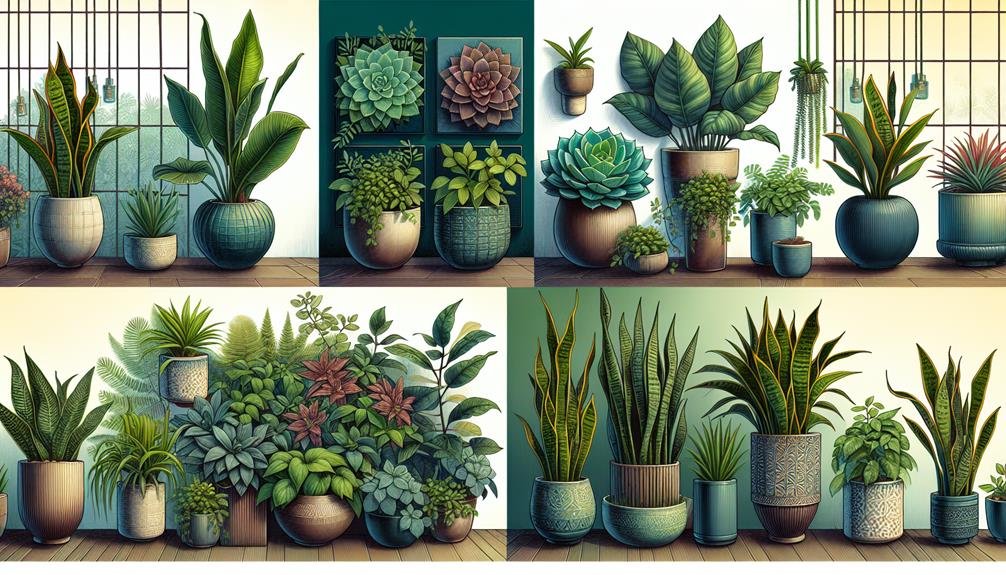
When choosing succulents for your small space, consider varieties like Echeveria, Aloe Vera, or Jade Plants. These plants come in a range of shapes and sizes, allowing you to create a diverse and visually appealing arrangement even in the tiniest of spaces.
To care for your succulents, make sure they receive plenty of sunlight and avoid overwatering. Succulents prefer well-draining soil, so be mindful of the potting mix you use. With minimal effort, you can enjoy the beauty of these plants while adding a trendy and natural vibe to your living or working space.
Herbs: Perfect for Kitchen Gardens
For compact and functional greenery in your living space, consider growing herbs, especially in your kitchen garden. Herbs aren't only aromatic and flavorful additions to your cooking but also easy to care for and maintain. They thrive in small pots on sunny windowsills or kitchen counters, making them perfect for indoor gardens. Popular kitchen herbs like basil, mint, rosemary, and thyme are versatile and can be used fresh or dried in various culinary dishes.
Having a mini herb garden in your kitchen provides easy access to fresh ingredients, enhancing the taste of your meals while adding a touch of greenery to your cooking space. Growing herbs indoors also allows you to enjoy gardening year-round, regardless of the outdoor weather conditions. With a little sunlight, water, and attention, your kitchen herb garden can flourish and provide you with a convenient source of natural flavors for your dishes.
Ferns: Great for Adding Greenery
Consider incorporating ferns into your indoor or outdoor spaces as they're excellent for adding lush greenery and a touch of elegance. Ferns are versatile plants that thrive in various light conditions, making them perfect for both indoor corners and shaded outdoor areas. Their feathery foliage adds a soft texture to any space, creating a calming and serene atmosphere.
One of the great advantages of ferns is their low-maintenance nature. They require minimal attention and can adapt well to different environments, making them ideal for busy individuals or those new to plant care. Ferns also act as natural air purifiers, helping to improve the air quality in your home or garden.
With a wide range of fern varieties available, you can choose from different sizes, shapes, and shades of green to suit your aesthetic preferences. Whether you opt for a hanging Boston fern, a compact maidenhair fern, or a dramatic bird's nest fern, adding these plants to your space will undoubtedly elevate its beauty and charm.

Orchids: Elegant Indoor Blooms
Incorporate orchids into your indoor spaces for a touch of elegance and vibrant blooms. Orchids are exquisite flowering plants that can add a sophisticated charm to any room. With their stunning array of colors and unique shapes, orchids are sure to captivate your guests and elevate the overall aesthetics of your living space.
One of the key benefits of growing orchids indoors is their ability to thrive in indoor environments with proper care. These elegant blooms require indirect sunlight, consistent watering, and occasional fertilization to flourish. With a little attention to detail, you can enjoy the beauty of orchids year-round.
Orchids come in various types, such as Phalaenopsis, Cattleya, and Dendrobium, each offering its own distinct beauty and appeal. Whether you prefer the classic white orchids or the vibrant purple ones, there's a wide range of options to suit your taste and style.
Enhance your indoor oasis with the timeless elegance of orchids, and experience the joy of nurturing these graceful blooms in your home.
Roses: Classic Outdoor Beauty
With their timeless charm and vibrant hues, roses bring classic beauty to outdoor spaces. Planting rose bushes in your garden adds a touch of elegance and romance to your landscape. Roses come in various colors, from the classic red to soft pastels and bright yellows, allowing you to choose the perfect shades to complement your outdoor decor.
When caring for roses, ensure they receive ample sunlight and well-draining soil. Regular watering and pruning help maintain healthy growth and abundant blooms. Consider incorporating climbing roses to add vertical interest or plant low-growing varieties as colorful ground cover.
Roses aren't only visually appealing but also emit a lovely fragrance, enhancing the ambiance of your outdoor area. Whether you're looking to create a formal rose garden or simply want to add pops of color to your yard, these versatile flowers are sure to make a statement. Enjoy the beauty and charm that roses bring to your outdoor space year after year.
Frequently Asked Questions
What Are Some Common Pests That Can Affect Succulents and How Can They Be Prevented or Treated?
When it comes to common pests affecting succulents, keep an eye out for mealybugs, spider mites, and aphids.
To prevent these pesky critters, regularly inspect your plants, ensuring good airflow and proper watering practices.
If you spot any pests, gently wipe them off with a damp cloth or use insecticidal soap.
For severe infestations, isolate the plant and treat it with neem oil or a horticultural oil spray.
Are There Any Specific Care Tips for Growing Herbs Indoors Versus Outdoors?
When growing herbs indoors versus outdoors, consider factors like lighting, temperature, and watering needs. Indoor herbs often require more direct sunlight and may benefit from grow lights.
Outdoor herbs can thrive in natural sunlight but may need protection from extreme heat or cold. Water indoor herbs sparingly to avoid root rot, while outdoor herbs may need more frequent watering, especially in hot weather.
Tailor your care routine based on the specific needs of each herb.
How Can Ferns Be Incorporated Into Different Types of Decor Styles?
Incorporating ferns into different decor styles can add a touch of nature to your space. Their lush, green fronds can complement various aesthetics, from bohemian to modern.
Hang them in macramé planters for a boho vibe or place them in sleek, minimalist pots for a contemporary look. Consider mixing ferns with other plants or using them as standalone statement pieces.
Their versatility makes them a great choice for enhancing your home's ambiance.
What Are Some Common Mistakes People Make When Caring for Orchids and How Can They Be Avoided?
When caring for orchids, it's important to avoid overwatering as it can lead to root rot. Make sure they receive proper lighting; too much or too little can harm them. Use a well-draining potting mix to prevent waterlogged roots.
Don't forget to fertilize regularly but avoid overdoing it. Lastly, maintain appropriate humidity levels to keep your orchids thriving.
What Are the Best Practices for Pruning and Maintaining Healthy Rose Bushes in a Garden Setting?
To prune and maintain healthy rose bushes in your garden, start by using sharp, clean shears to make angled cuts above an outward-facing bud. Remove any dead or diseased branches.
Regularly deadhead spent blooms to encourage new growth. Water deeply and consistently, ensuring the soil is well-drained. Apply a balanced fertilizer in spring and midsummer.
Mulch around the base to retain moisture and suppress weeds. Regularly inspect for pests and diseases to address them promptly.
Conclusion
Overall, when choosing plants for your indoor or outdoor space, consider the size of the area, the amount of sunlight it receives, and your own personal preferences.
Succulents are great for small spaces, herbs are perfect for kitchen gardens, ferns add a touch of greenery, orchids bring elegance indoors, and roses are a classic outdoor beauty.
With these popular plant varieties, you can create a beautiful and inviting environment in any space.